
Steropodon — an early Australian monotreme from the Lower Cretaceous
Steropodon is an early monotreme known from opalized jaw fossils in Australia; it reveals tooth-bearing, egg-laying mammals in the Mesozoic and informs monotreme evolution and Gondwanan mammal diversity.
Overview
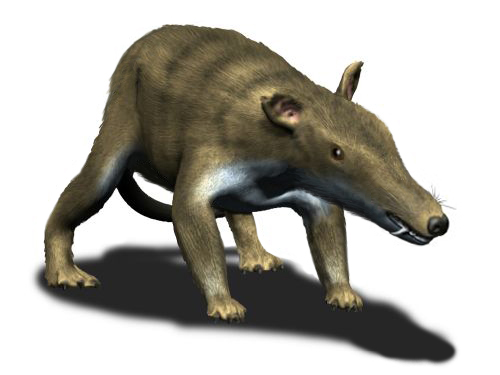
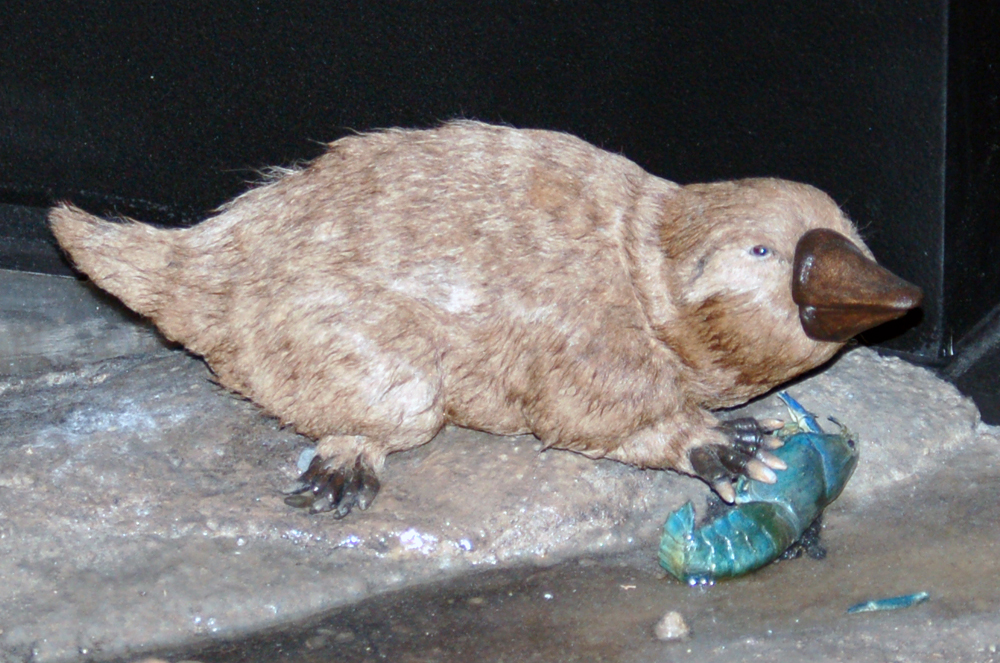
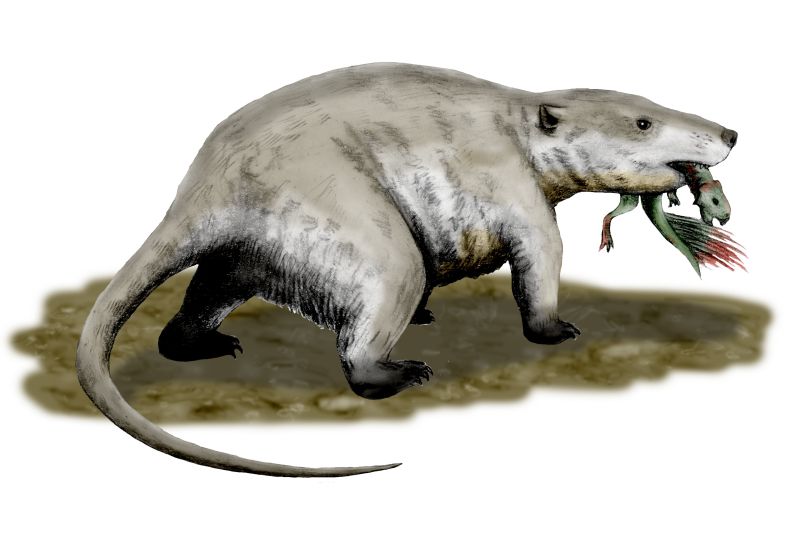
Steropodon is an extinct genus of monotreme known mainly from fossilized jaw material recovered in Australia. It lived during the Lower Cretaceous, roughly around the early part of the Cretaceous period, and is one of the oldest known relatives of the modern platypus. As a member of the egg-laying mammals, it is grouped with other monotremes; for context see general information on monotremes.
Image gallery
10 Images




Description and anatomy
The primary evidence for Steropodon comes from an opalized partial lower jaw with several molar teeth. These teeth are more complex and differentiated than those of living monotremes, which lose most adult dentition, and they indicate a different feeding strategy than that of the modern platypus. The jaw and teeth suggest a small to medium-sized animal with mammalian chewing adaptations combined with primitive characteristics typical of Mesozoic mammals.
Discovery and age
Fossils attributed to Steropodon were discovered in opal-bearing sediments of New South Wales and are notable for their opalization. The sediments date to the Mesozoic era, specifically the Lower Cretaceous, placing Steropodon among the earliest monotremes known from Gondwana. The genus is often discussed alongside other early monotremes, including Teinolophos, which is considered an even earlier relative.
Importance and interpretations
- Evolutionary significance: Steropodon provides direct evidence that monotremes were present and diversifying in Australia by the Cretaceous, helping trace the deep history of egg-laying mammals.
- Functional insight: Its preserved teeth indicate dietary habits different from the modern platypus, suggesting ecological diversity among early monotremes.
- Fossil preservation: The opalized nature of the specimen makes it a striking example of fossilization processes in Australian deposits.
Many details of Steropodon's appearance and behavior remain uncertain because the record is limited. Ongoing discoveries and comparisons with other early monotremes continue to refine its place in mammal evolution and our understanding of Gondwanan faunas during the Cretaceous.
Related articles
Author
AlegsaOnline.com Steropodon — an early Australian monotreme from the Lower Cretaceous Leandro Alegsa
URL: https://en.alegsaonline.com/art/93816
Sources
- species.wikimedia.org : Steropodon