
Stigma (botany): structure, function and variation in flowering plants
The stigma is the pollen-receptive tip of a flower's pistil. This article outlines its structure, types, role in pollination and fertilization, variations across species, and its importance in plant reproduction.
Overview
The stigma is the part of a flower that receives pollen during pollination. It sits at the apex of the pistil, the female reproductive organ, and usually rests above the style and ovary. Pollinators such as bees and other animals, or wind and water, transfer pollen grains to the stigma to initiate fertilization. The stigma's surface and chemistry make it a selective and active participant in the early stages of sexual reproduction in flowering plants.
Image gallery
8 Images




Structure and common types
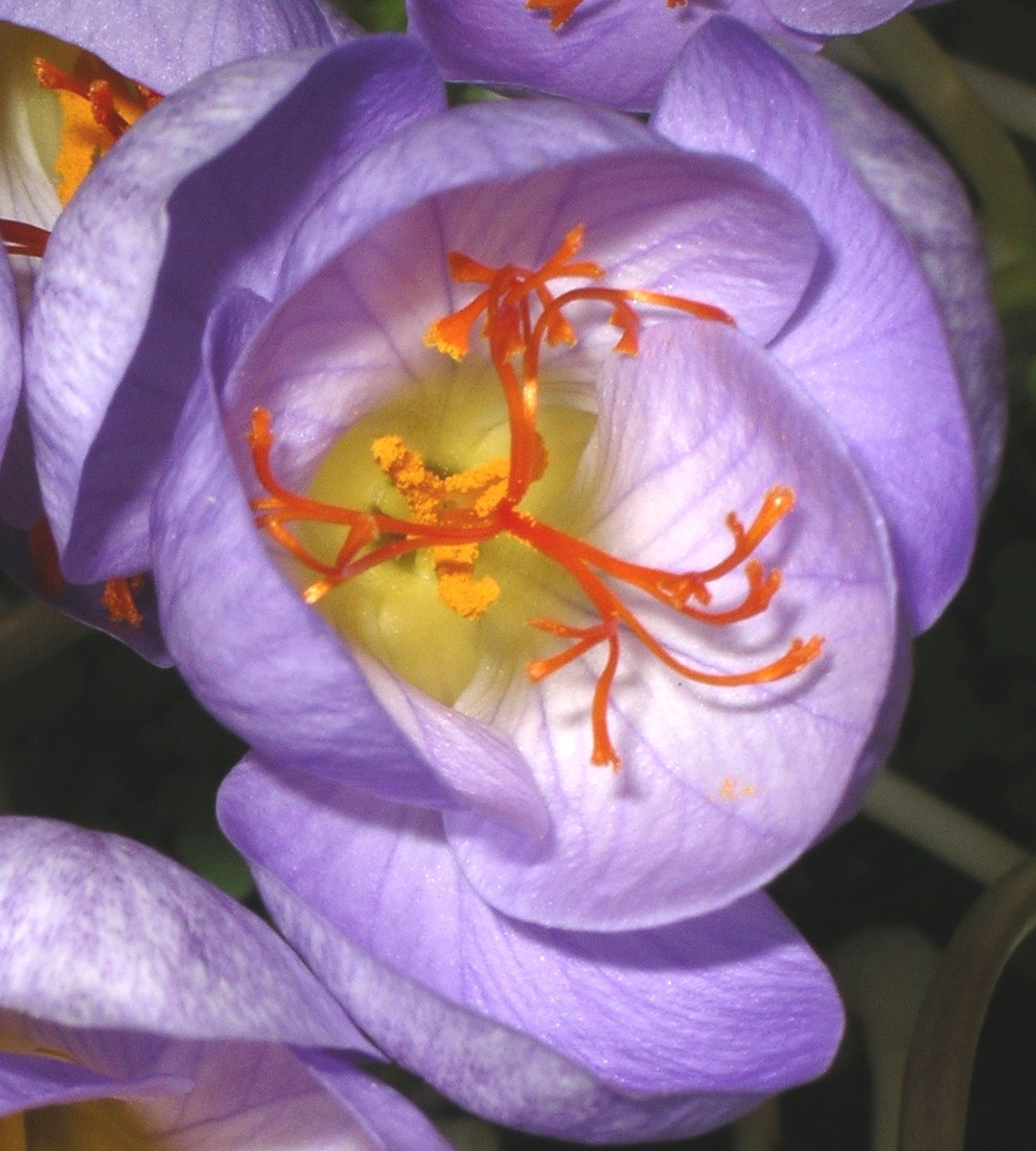
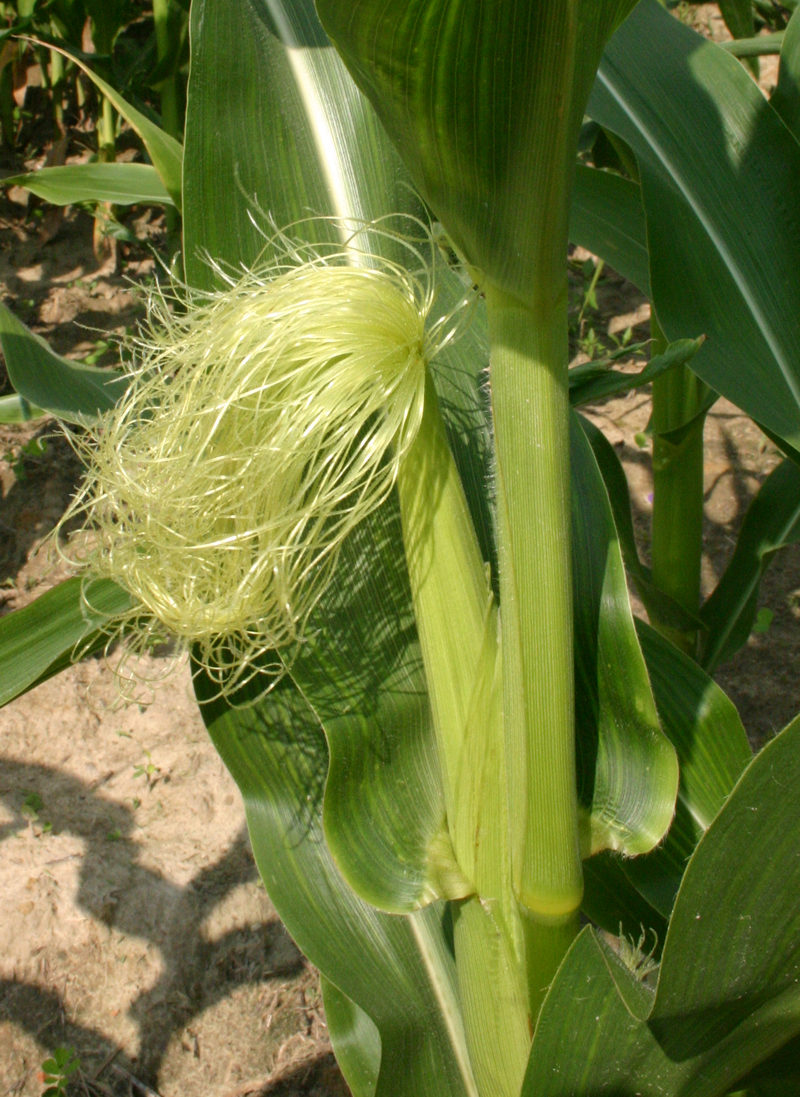
Stigmas vary in shape and texture according to the plant's pollination strategy. They may be simple and cap-like, bilobed, feathery, or deeply lobed. Two broad functional categories are often described: "sticky" (viscid) stigmas that capture and hold pollen with a sticky secretion, and "hairy" or feathery stigmas that trap pollen mechanically. Many stigmas also have microscopic hairs or papillae that increase surface area and aid pollen adhesion.
- Sticky (viscid) stigmas: use secretions to trap pollen.
- Dry stigmas: rely on surface structures and chemistry to capture and recognize pollen.
- Feathery or plume-like stigmas: common in wind-pollinated species for catching airborne grains.
Function in pollination and fertilization
When a compatible pollen grain lands on the stigma its outer wall hydrates and a pollen tube begins to grow. The stigma supplies water and nutrients and often provides molecular signals that guide the tube down the style toward the ovary, where fertilization of ovules occurs. The stigma can also act in mate choice: biochemical recognition at the stigma may promote or inhibit pollen germination, contributing to self-incompatibility systems that prevent inbreeding.
Variation, ecology and examples
Stigma form and position adapt to pollination mode. In insect-pollinated flowers the stigma often aligns with landing platforms and nectar guides to contact visiting animals. Wind-pollinated flowers may have exposed, brush-like stigmas to intercept drifting pollen. Some species have stigmas that change color or close after pollination, signaling to pollinators that a flower's receptive phase has ended. Floral morphology, including stigma features, is a key trait studied in pollination ecology and plant breeding.
Significance and notable facts
Beyond catching pollen, the stigma participates in selective processes that affect genetic diversity of offspring. Its surface chemistry can be highly specific, and researchers study stigmas to understand reproductive barriers, hybridization, and crop fertility. For further introductory resources see general guides on flower structure, pollen biology at pollen references, pollination ecology studies mentioning bees, and reviews of plant reproductive organs such as the pistil, the style, and the ovary. Experimental literature on pollen tube growth explores the cellular interactions initiated at the stigma.
Note: This account summarizes commonly accepted functions and variations of stigmas in flowering plants without exhaustive taxonomic detail. For species-specific information consult specialized botanical texts or primary research.
Related articles
Author
AlegsaOnline.com Stigma (botany): structure, function and variation in flowering plants Leandro Alegsa
URL: https://en.alegsaonline.com/art/93925