
Urtica dioica (stinging nettle): identification, ecology, uses and safety
Comprehensive guide to Urtica dioica (stinging nettle): how to identify it, where it grows, its ecological role, traditional and culinary uses, and safety plus first aid for stings.
Stinging nettle (Urtica dioica) is a herbaceous perennial best known for the tiny, hollow hairs on its leaves and stems that can produce a painful, stinging sensation when they break against skin. It is a widespread species that grows in temperate regions and is commonly encountered along hedgerows, riverbanks and other areas of rich, disturbed soil. The nettle is a type of plant valued in ecology, traditional uses and as a wild food in some cuisines.
Image gallery
10 Images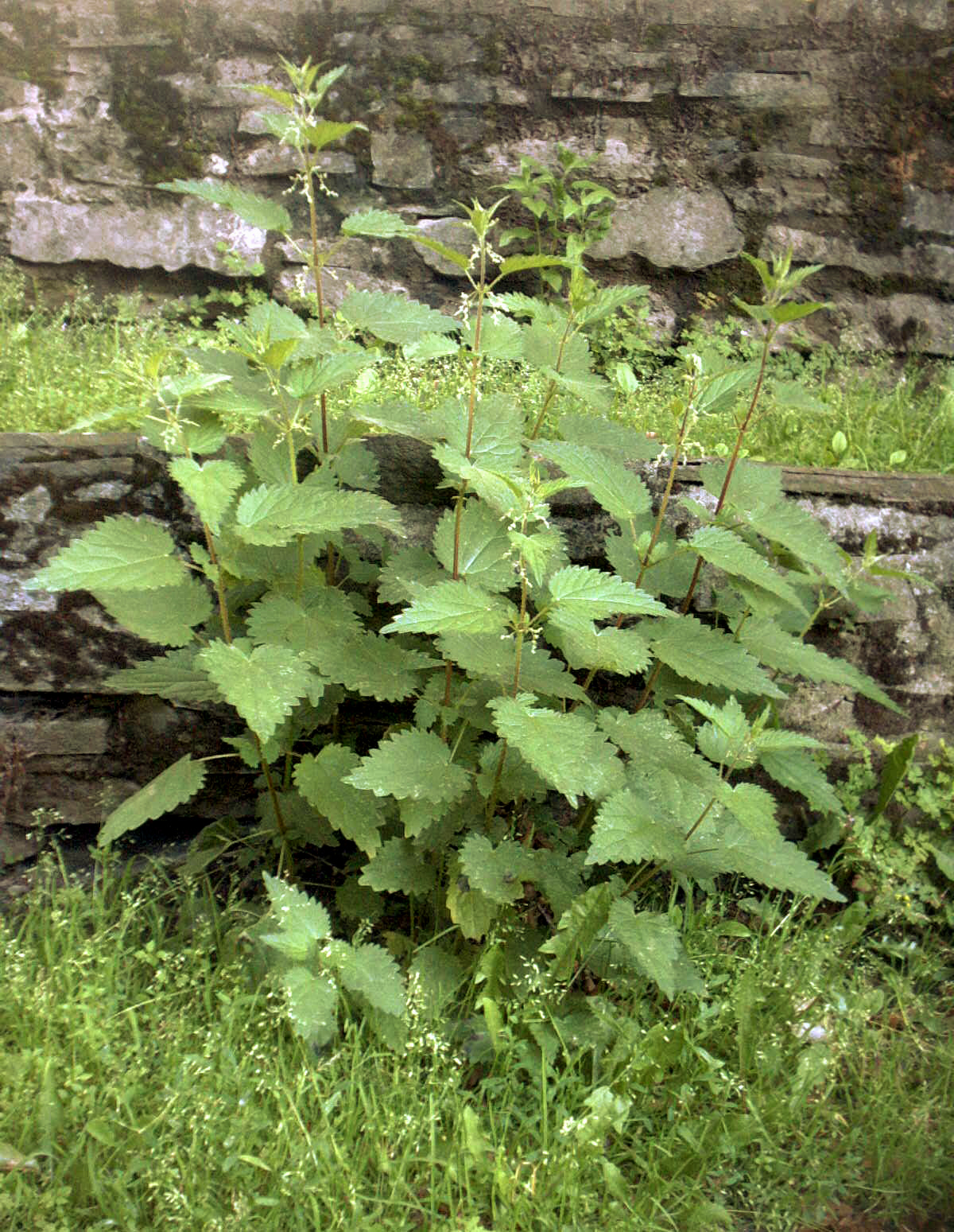


Description
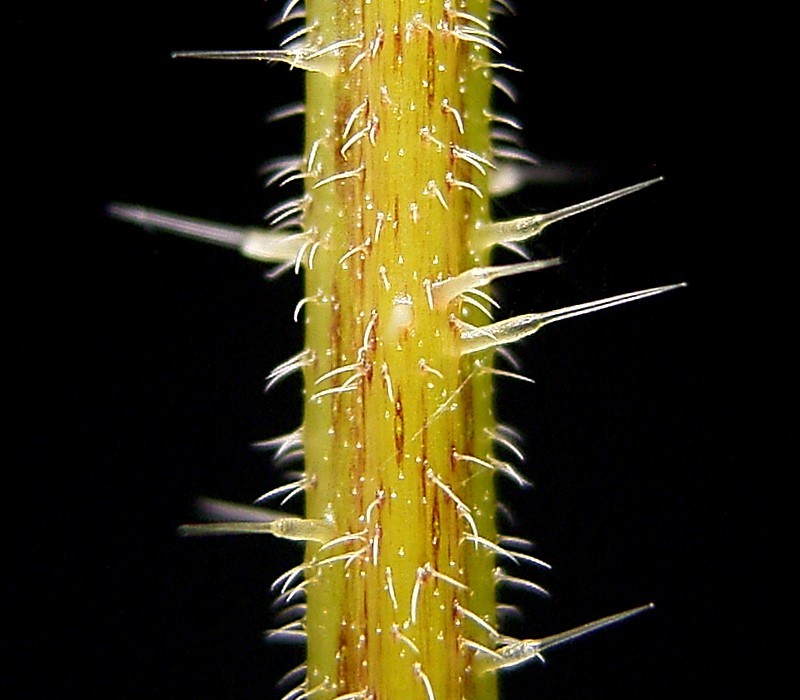
Plants in this species complex typically form upright, branching stems and opposite, serrated leaves. Individual plants can reach from under a metre to over a metre tall depending on growing conditions. The stinging surface is formed by many fine trichomes (hair-like structures) that are brittle and break on contact, delivering an irritant mixture to the skin.
Distribution and habitat
Urtica dioica is native to much of Europe and parts of Asia, and related subspecies occur or have become established in North America and other temperate regions. It favors soils high in nutrients—especially nitrogen—and is often one of the first large herbaceous species to colonize areas altered by human activity.
How the sting works
The defensive hairs act like tiny hypodermic needles. When a hair is snapped by friction, its tip breaks off and the remaining filament penetrates the skin, releasing a mix of compounds that produce local inflammation and a burning or itching sensation. Scientific analyses have identified substances such as histamine and acetylcholine among the constituents, but the exact composition and effects vary and are still studied.
Uses and ecological role
- Food: Young leaves are edible after cooking or blanching and are used in soups, teas and as a cooked green in some traditions.
- Material: Historically, fibres from the stems have been processed into cordage and textiles in some cultures.
- Traditional medicine: Nettles have a long history of traditional medicinal use; contemporary evidence varies by application and clinical results are mixed.
- Ecology: The plant provides habitat and food for a variety of insects, including caterpillars of certain butterfly species, and contributes to soil nutrient cycling.
Safety and first aid
Contact with the fresh hairs causes immediate stinging, redness and sometimes blistering. Symptoms are usually short-lived, resolving over hours to a day. Common first-aid measures are to wash the area with soap and water and avoid rubbing; removing remaining hairs with tape can help. Folk remedies—such as rubbing with leaves of other plants—are widely reported but have variable effectiveness.
Related articles
Author
AlegsaOnline.com Urtica dioica (stinging nettle): identification, ecology, uses and safety Leandro Alegsa
URL: https://en.alegsaonline.com/art/93950