
Taiga: the Northern Coniferous Forests
Taiga, or boreal forest, is the vast belt of cold-adapted coniferous woodland across the high northern latitudes, defined by its climate, dominant trees, ecology, and role as a global carbon reservoir.
Overview
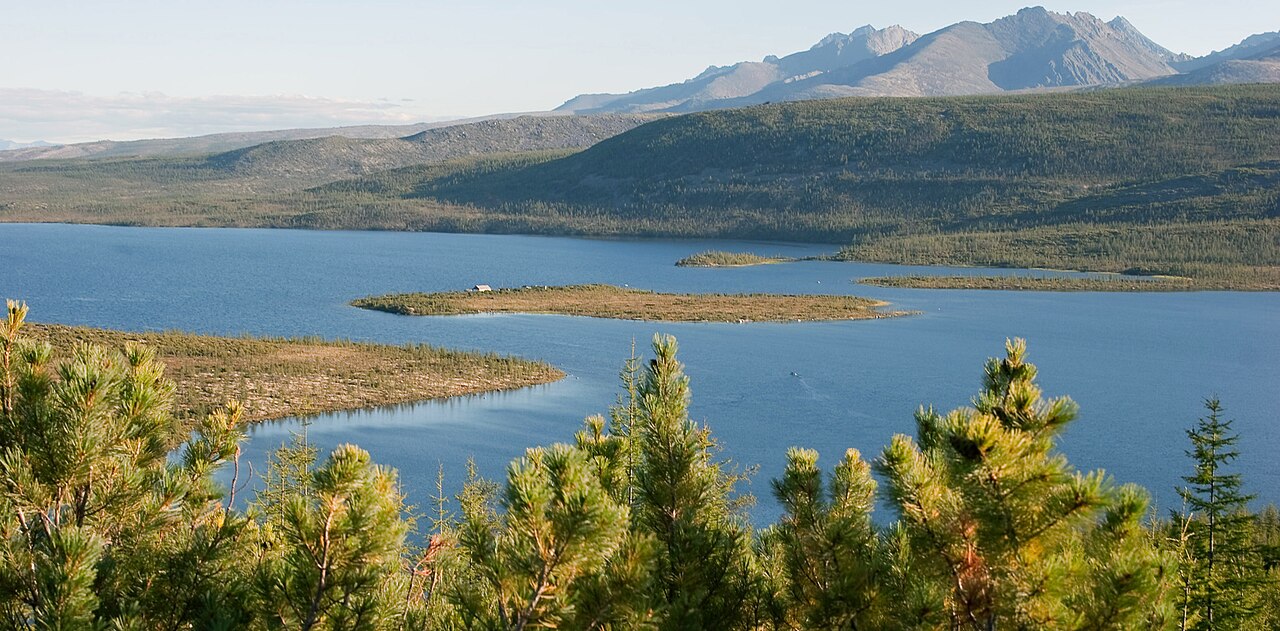
The taiga is the extensive band of northern coniferous woodlands that forms one of Earth's major biomes. Often called the boreal forest in some regions, it is characterized by long, cold winters, short summers and a tree-dominated landscape adapted to low temperatures and seasonal snow cover.
Image gallery
10 Images







Distribution
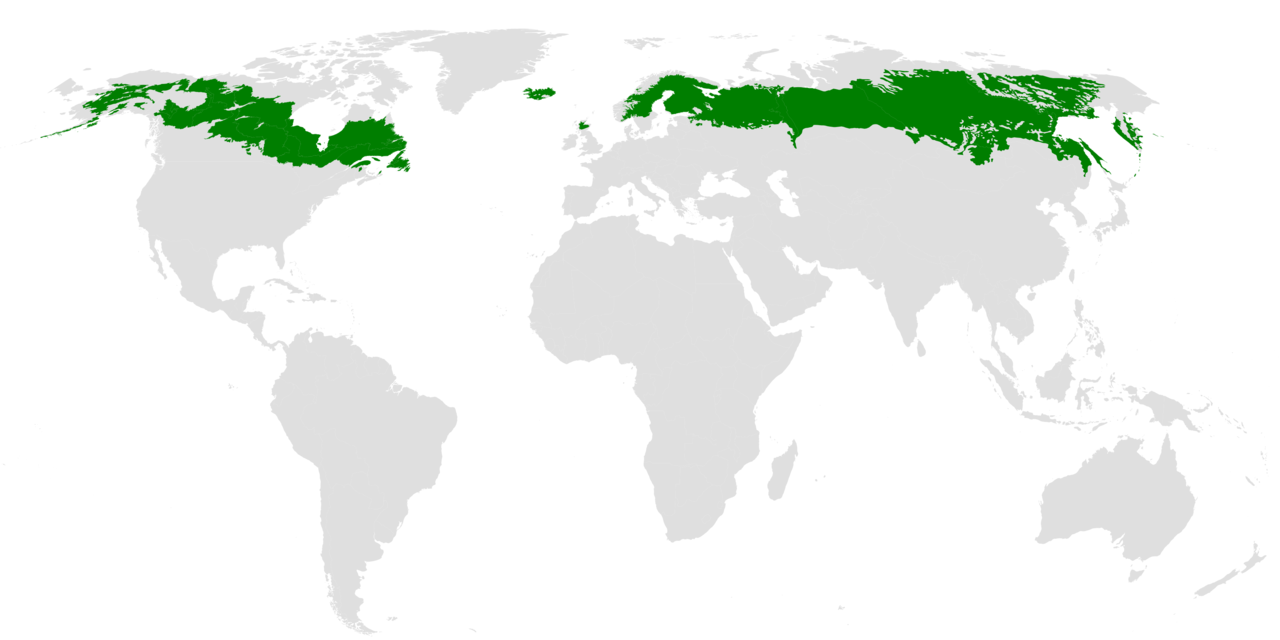
This biome stretches across much of the northern hemisphere. Large areas occur in Alaska and across Canada, abundant in Russia including Siberia, and are present in parts of northern Europe such as Sweden, Finland and inland Norway. Remnant tracts extend into northern continental United States and into pockets of northern Kazakhstan.
Characteristics and dominant species
Soils are often thin and acidic; permafrost or seasonally frozen ground is common in northern reaches. The tree layer is dominated by cold-hardy conifers: pines, spruces and larches are typical. These species tolerate short growing seasons and frequent disturbances such as fire and insect outbreaks.
Ecology and boundary with tundra
The taiga grades into tundra beyond the tree line, where harsh conditions prevent tree growth. This boundary is influenced by temperature, soil depth and snow cover. Plant and animal communities reflect adaptations to cold: lichens, mosses and shrubs are common understorey species, and the biome supports large mammals, migratory birds and specialized insects.
Human use, importance and threats
Taiga regions provide timber, pulp, and mineral resources and support indigenous livelihoods. They also store vast amounts of carbon in trees and soils, making them important for the global climate. Threats include logging, mining, expanding infrastructure, climate warming and more frequent wildfires; conservation balances economic use with ecosystem protection.
Terminology and notable distinctions
Terminology varies by country: in parts of Canada the term "boreal" often designates the southern band, while "taiga" can refer to the more northerly, tree-lined regions near the Arctic. The taiga is distinct from temperate coniferous forests by its colder climate, shorter growing season and northern distribution, and from tundra by its capacity to support closed-canopy tree cover.
Questions and answers
Q: What is the taiga?
A: The taiga is a vast area of coniferous forests that covers most of inland Alaska, Canada, Sweden, Finland, inland Norway, northern Kazakhstan and Russia (especially Siberia), as well as parts of the northern continental United States.
Q: What do people in Canada refer to as the southern part of taiga?
A: People in Canada refer to the southern part of taiga as boreal forest.
Q: What kind of trees are mostly found in the taiga?
A: The taiga mostly contains pines, spruces and larches.
Q: What is the climate like in the taiga?
A: The climate in the taiga is characterized by cold winters and cool summers.
Q: What is the Arctic tree line in the taiga?
A: The Arctic tree line is a boundary that separates the taiga from the tundra in northern areas.
Q: Where is the taiga located?
A: The taiga is mainly found in inland Alaska, Canada, Sweden, Finland, inland Norway, northern Kazakhstan and Russia (especially Siberia), as well as parts of the northern continental United States.
Q: Is the taiga a small or large area of coniferous forests?
A: The taiga is a large area of coniferous forests that covers vast regions across several countries.
Related articles
Author
AlegsaOnline.com Taiga: the Northern Coniferous Forests Leandro Alegsa
URL: https://en.alegsaonline.com/art/95918