
Spanish Republican government in exile
The political leadership of the defeated Second Spanish Republic who operated abroad after 1939 to preserve republican legitimacy, seek international support, and advocate for the return of democracy to Spain.
Overview
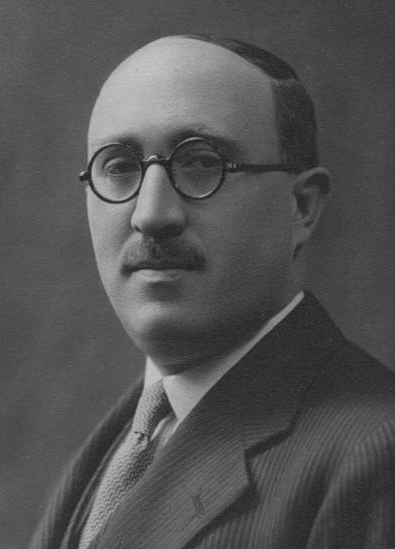
The Spanish Republican government in exile was composed of senior politicians and officials who went into exile after the collapse of the Republic in 1939 and initially settled in France. Its aim was to maintain the legal continuity of the Second Spanish Republic and to represent Republican interests on the international stage after General Francisco Franco consolidated power following the Spanish Civil War.
Image gallery
10 Images


Formation and purpose
Established as a counter-authority to Franco's regime, the government-in-exile declared itself the legitimate representative of Spain and continued to appoint ministers and diplomatic representatives. It sought recognition, humanitarian relief for refugees, and the restoration of democratic institutions. Many exiled leaders hoped developments in World War II would lead to Franco's isolation or removal, an expectation that did not materialize.
Activities and international relations
The exiled Republicans engaged in diplomacy, published newspapers, coordinated relief for displaced Spaniards, and maintained party networks abroad. Recognition was uneven: some countries and left-leaning governments sympathized and offered asylum, while other states eventually accepted Franco's government. Notably, the question of recognition shaped the exile's capacity to operate and to secure resources.
Internal dynamics
Inside the exile community there were political and ideological differences among republicans, socialists, anarchists and communists, which sometimes hindered unified action. Over time the movement adapted to the realities of the Cold War and declining prospects for external intervention, relying increasingly on cultural diplomacy and legal claims to preserve a republican legacy.
Return, reconciliation and legacy
After the death of Franco in 1975, King Juan Carlos oversaw Spain's transition to democracy and the lifting of many restrictions on former exiles. In 1977 many Republican exiles accepted the new constitutional framework and returned to Spain. Their experience influenced debates about memory, amnesty, and historical recognition in the post-Franco era.
- Key concerns: legal continuity of the Republic, refugee welfare, international recognition.
- Long-term impact: preservation of republican archives, political memory, and participation in Spain's democratic transition.
For further reading on individual figures, diplomatic episodes, and the exile communities in different countries, consult specialized studies and archival collections. Historical overviews and biographies provide context for how the exile shaped twentieth-century Spanish politics and memory.
Read more on the Spanish Civil War | Francisco Franco | Civil War background | World War II context | Democratic ideals
political leaders • exile routes • France and other host countries • return and reconciliation
Related articles
Author
AlegsaOnline.com Spanish Republican government in exile Leandro Alegsa
URL: https://en.alegsaonline.com/art/92489