
Speaker of the House of Representatives of Malta
Presiding officer of Malta's unicameral parliament, responsible for managing debates, interpreting procedure, and representing the House; rooted in Westminster practice and Maltese constitutional law.
Overview
The Speaker of the House of Representatives of Malta is the chamber's presiding officer and public representative. In Maltese the office is known as Speaker tal-Kamra tad-Deputati ta' Malta. The Speaker chairs sittings, regulates debate and ensures that business proceeds in accordance with the constitution and the House's standing orders.
Image gallery
2 Images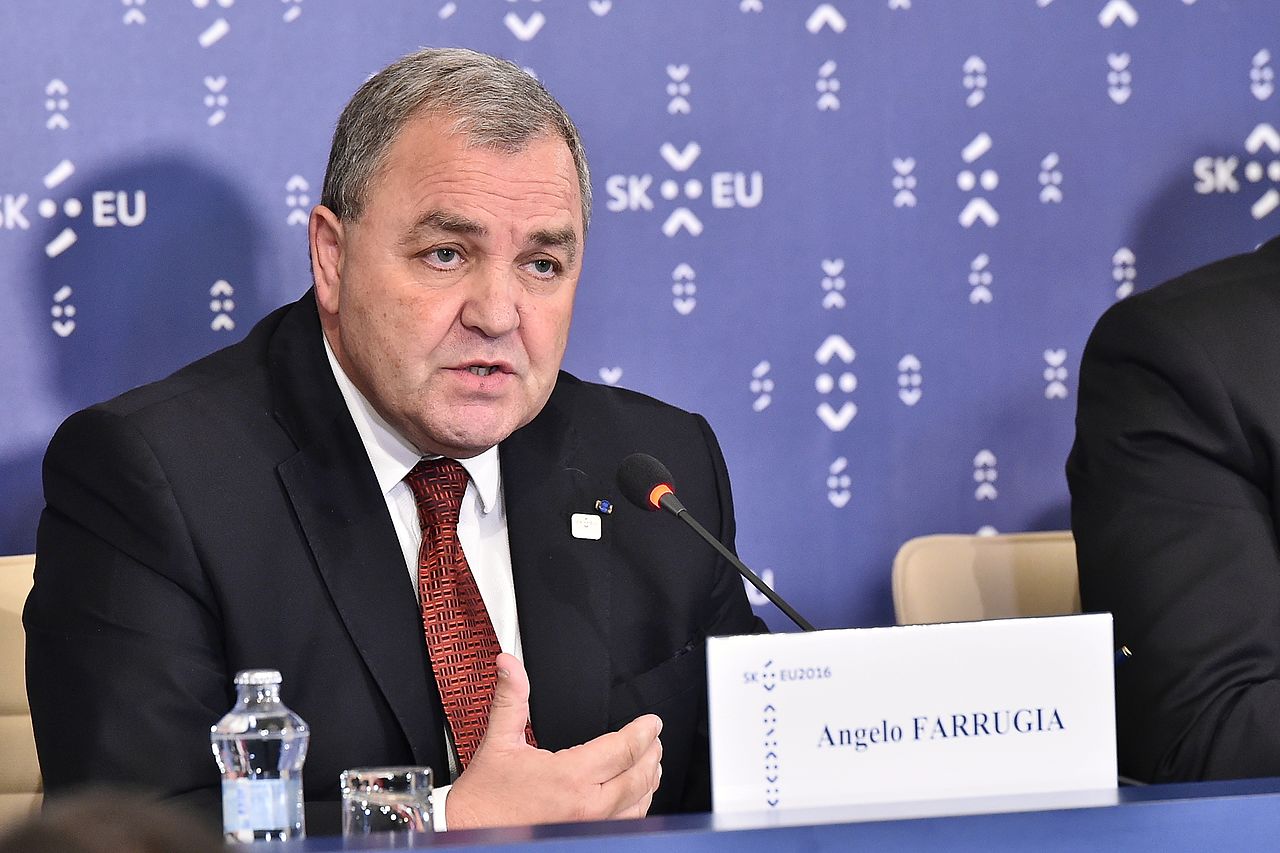

Role and main responsibilities
The Speaker's duties combine procedural, administrative and ceremonial functions. Core responsibilities include:
- Presiding over sittings and maintaining order;
- Deciding who may speak and applying the House's rules;
- Putting questions to the vote and announcing results;
- Interpreting standing orders and making procedural rulings;
- Representing the House in its relations with the President, other state bodies and foreign parliaments.
Selection, impartiality and powers
The Speaker is chosen according to procedures set out by Malta's constitution and the House's standing orders. Once in office, the Speaker is expected to act impartially when presiding over debates, even if previously affiliated with a political party. In many cases the Speaker may exercise a casting or deciding vote in the event of a tie and carries certain administrative authority over parliamentary services and staff.
History and notable facts
The office reflects parliamentary traditions introduced during British rule and adapted after independence. Over time the Speaker's role has evolved with changes in Malta's constitution and the practices of a modern unicameral legislature. The position combines routine, often technical rulings with moments of national visibility, for example during major legislative debates or formal state occasions.
Distinctions and context
The Speaker is distinct from the Prime Minister and the President: the office is devoted to managing the work of the legislature rather than directing government policy or acting as head of state. Understanding the Speaker's role helps clarify how Malta's parliamentary democracy organises debate, protects minority rights within proceedings, and preserves orderly lawmaking.
Related articles
Author
AlegsaOnline.com Speaker of the House of Representatives of Malta Leandro Alegsa
URL: https://en.alegsaonline.com/art/92532