
Speaker of the Lok Sabha
Presiding officer of India's Lok Sabha: duties, election, powers, history and practical role in parliamentary procedure and governance.
The Speaker of the Lok Sabha is the principal presiding officer of the lower house of the Parliament of India, known as the Lok Sabha. The office combines procedural, administrative and representative responsibilities. Rooted in parliamentary practice that traces to the British Westminster model, the Speaker is expected to run debates impartially and to protect the rights of members while ensuring the house can transact its business efficiently.
Image gallery
10 Images


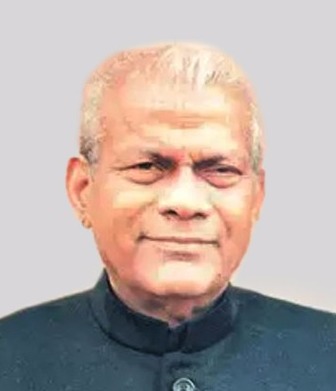

Roles and powers
The Speaker's duties cover a range of parliamentary functions. Key responsibilities include maintaining order during debates, deciding who may speak, certifying bills as money or non-money, and interpreting rules of procedure. The Speaker also chairs important committees and represents the Lok Sabha in relations with the President and the Rajya Sabha. For a general account of the office's purpose see the Speaker's role, and for comparative context consult descriptions of the Westminster system.
Election, tenure and impartiality
The Speaker is elected from among Lok Sabha members at the assembly's first sitting following a general election. The formal choice is made by members through a motion or election procedure; details are set out in the house's rules and established practice (election process at the first meeting). The Speaker normally serves for the life of the Lok Sabha (up to five years) unless they resign or are removed. By convention the Speaker renounces active party politics and is expected to act neutrally while presiding.
Procedural tools and limitations
To manage proceedings the Speaker can name unruly members, suspend members for breach of privilege, and apply time limits. The Speaker has a casting vote in the event of a tie. While influential in shaping the conduct of business, the Speaker's authority derives from rules and the confidence of the house; major decisions can be subject to appeal through motions or committee review.
Historical notes and significance
The office developed from colonial legislative institutions into a central element of India's parliamentary democracy. The Speaker safeguards legislative integrity and minority rights within the chamber, balancing the government's right to seek a mandate with the opposition's right to scrutiny. Since 2019 the Speaker has been Om Birla, a Member of Parliament with responsibilities both procedural and symbolic. Removal from office is possible by resolution of the house, reflecting the Speaker's accountability to the membership. For further institutional detail consult official resources and procedural guides linked above.
Related articles
Author
AlegsaOnline.com Speaker of the Lok Sabha Leandro Alegsa
URL: https://en.alegsaonline.com/art/92534
Sources
- credoreference.com : "Lok Sabha"
- speakerloksabha.nic.in : "The Office of Speaker Lok Sabha"