
Juan Carlos I of Spain: life, reign, and later years
Overview of Juan Carlos I (born 1938), his early life, role in Spain's transition to democracy, abdication in 2014, health and legal controversies, and his legacy.
Overview
Juan Carlos I (born 5 January 1938) served as King of Spain from 1975 until his abdication in 2014. He is widely remembered for his role in Spain’s transition from the authoritarian regime that preceded his reign to a parliamentary monarchy. His full name reflects family ties across European royal houses, including a maternal link to Prince Carlo of the Two Sicilies.
Image gallery
10 Images
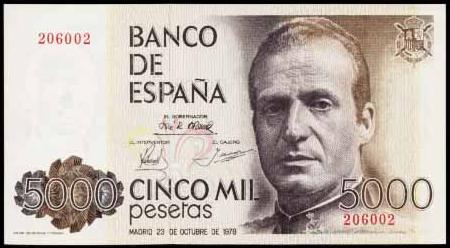


Early life and education
Juan Carlos was born in Rome on 5 January 1938 and grew up in exile as a member of the Spanish royal family; his birthplace is often noted in biographies as Rome. He was the eldest son of Don Juan, Count of Barcelona, and María de las Mercedes of the Two Sicilies. He had two sisters and a brother. His education combined traditional royal preparation with modern military and university studies in Spain, and he later took up residence at the Palace of Zarzuela where he began public duties.
Accession and the transition to democracy
Following the death of the head of state, Francisco Franco, Juan Carlos succeeded to the throne in November 1975. Franco had designated him as successor, and the formal change of monarch took place two days after Franco’s death; historical accounts reference Franco directly as Francisco Franco. Although his selection was rooted in the late regime’s arrangements, Juan Carlos played a decisive part in steering Spain away from the previous authoritarian system toward a constitutional, parliamentary form of government. Contemporary summaries often describe the period as the transition from a dictatorship to a democratic polity, a transformation that helped modernize Spain politically and socially.
Family and personal life
Juan Carlos married Princess Sofía, who became Queen Sofía of Spain; she is referenced in sources as Queen Sofía and is also a distant relative (third cousin) of the king. She is the sister of the former Greek monarch Constantine II. The couple have three children: Infanta Elena, Infanta Cristina, and their son, now King Felipe VI. The domestic line of succession and family roles were central to Spanish public life during and after his reign.
Abdication, health matters, and controversies
On 2 June 2014 Juan Carlos announced his intention to abdicate in favor of his son, an act completed legally and ceremonially on 19 June 2014; official texts and press coverage mark the abdication as a turning point for the monarchy. In later years he faced health issues, including a notable operation reported in 2019; accounts refer to his cardiovascular care or heart treatment and subsequent surgery. Financial and legal scrutiny emerged publicly in the late 2010s and 2020, focused on alleged irregular business dealings, including transactions tied to interests in the Middle East; media and judicial inquiries referenced dealings linked to Saudi Arabia. Amid these controversies he left Spain in 2020 in what was described as a voluntary exile, relocating to the United Arab Emirates.
Legacy and notable facts
Juan Carlos’s reign is often evaluated through competing lenses: his contribution to Spain’s peaceful democratic transition and consolidation, and later questions about personal conduct and accountability. He received considerable public esteem in parts of Ibero‑America and Spain during much of his reign, while the final decade of his public life prompted debate about transparency, the modern role of monarchy, and legal oversight of former heads of state. For further contextual summaries and timelines, readers may consult biographical and historical resources that document his life and era.
- Birth and family: Rome, Count of Barcelona parentage, maternal ties to Two Sicilies.
- Reign: proclamation after the death of Franco, oversaw the move away from dictatorship toward parliamentary monarchy.
- Personal milestones: marriage to Queen Sofía, children including Felipe VI.
- Later developments: abdication in 2014, health events involving the heart and surgery, and departure into exile amid inquiries over ties to Saudi Arabia while residing abroad in the UAE.
Questions and answers
Q: Who was Juan Carlos I?
A: Juan Carlos I was the King of Spain from 1975 to 2014.
Q: What is the origin of his name?
A: His name came from his father (Juan de Borbón), his grandfather (Alfonso XIII) and his mother's father's name (Prince Carlo of the Two Sicilies).
Q: Where and when was he born?
A: He was born on 5 January 1938 at Rome.
Q: What did he study at university?
A: He studied Law, International political economy and Public finance at the University of Madrid.
Q: How did he become king?
A: On 22 November 1975, two days after the death of Francisco Franco, Juan Carlos became king. Franco had picked him and prepared him for the job.
Q: Who is Queen Sofía of Spain?
A: Queen Sofía of Spain is Juan Carlos' third cousin, She is also the sister of ex-King Constantine II of Greece.
Q: When did Juan Carlos abdicate in favour of his son Felipe VI?
A: The abdication and handover to Felipe occurred on 19 June 2014.
Related articles
Author
AlegsaOnline.com Juan Carlos I of Spain: life, reign, and later years Leandro Alegsa
URL: https://en.alegsaonline.com/art/123027
Sources
- casareal.es : "His Majesty the King Juan Carlos"
- cnn.com : "Spain's King Juan Carlos I to abdicate"
- telegraph.co.uk : "Spain will have two kings and two queens"
- lavanguardia.com : "El rey Juan Carlos se someterá a una operación de corazón el próximo sábado"
- bbc.com : "Spain's ex-King Juan Carlos leaves country"
- nytimes.com : "Juan Carlos, Spain's Former King, Quits Country Amid Multiple Investigations"
- abcnews.go.com : "Royal House confirms former king of Spain, Juan Carlos I, has been in United Arab Emirates since Aug. 3"