
Speaker of the National Assembly of Pakistan
Presiding officer of Pakistan's lower house, elected by members to manage debates, apply rules, sign legislation and represent the Assembly in official and administrative matters.
Overview
The Speaker is the principal presiding officer of the lower chamber of Pakistan's parliament. The officeholder chairs sittings of the assembly, regulates debate among elected representatives and acts as the formal voice of the legislature. The Speaker is chosen by members of the house and is expected to maintain impartiality while conducting proceedings of the National Assembly of Pakistan.
Image gallery
10 Images


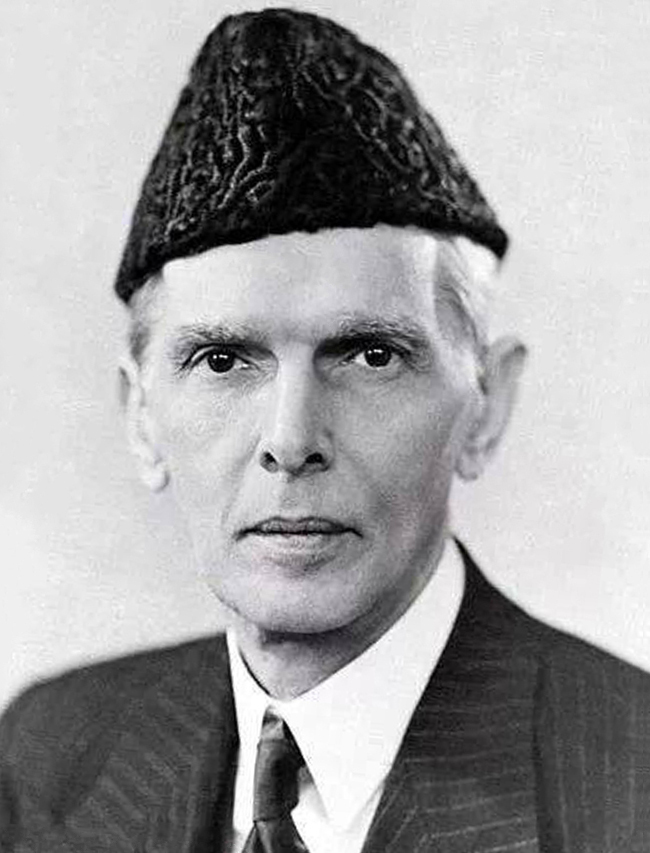


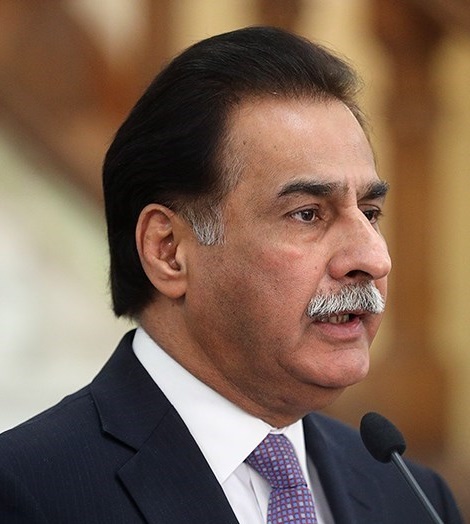


Roles and powers
Core responsibilities include keeping order during sittings, deciding which members may speak, interpreting and applying the assembly's standing orders, and ensuring that parliamentary procedure is followed. The Speaker often signs bills and official resolutions before they are forwarded to other state authorities, and represents the assembly in communications with the executive and judiciary.
Key functions
- Preside over plenary sessions and manage the legislative agenda
- Enforce rules of debate and discipline within the chamber
- Adjudicate points of order and procedural disputes
- Authorize official documents and correspondence on behalf of the assembly
Election, tenure and removal
The Speaker is elected by members of the National Assembly from among their number, typically at the start of a parliamentary term. The incumbent remains in office until the assembly is dissolved or they cease to be a member; removal is normally possible through a resolution or a specified parliamentary process. A Deputy Speaker supports and stands in for the Speaker when necessary.
History and significance
The office has existed since the formation of Pakistan's parliamentary institutions and has evolved with successive constitutional arrangements. Over time the Speaker's role has become central to the functioning of representative government, balancing the need for orderly debate with protection of minority rights in legislative business.
Notable aspects
Although the Speaker is usually a senior politician, the role carries an expectation of impartiality once elected. The position combines ceremonial, procedural and administrative duties and is important for upholding the legitimacy and effectiveness of the parliamentary process.
Questions and answers
Q: What is the highest office of the National Assembly of Pakistan?
A: The Speaker's is the highest office of the National Assembly of Pakistan.
Q: Who presides over the Session composed of people's representatives?
A: The Speaker presides over the Session composed of people's representatives.
Q: How are people's representatives elected?
A: People's representatives are elected on the basis of universal franchise.
Q: What does universal franchise mean?
A: Universal franchise means that all citizens have an equal right to vote in elections.
Q: Is there a limit to how many times someone can be re-elected as Speaker?
A: There is no limit to how many times someone can be re-elected as Speaker.
Q: Does the Speaker have any other duties besides presiding over Sessions?
A: Yes, in addition to presiding over Sessions, Speakers also typically perform administrative and ceremonial duties for their respective legislatures.
Related articles
Author
AlegsaOnline.com Speaker of the National Assembly of Pakistan Leandro Alegsa
URL: https://en.alegsaonline.com/art/92535