
Romanian language: overview, history, features, and regional status
Romance language descended from Latin with Balkan and Slavic influences. Spoken mainly in Romania and Moldova, it preserves unique grammar features (enclitic definite article) and several regional varieties.
Overview
Romanian is an Eastern Romance language that developed from the colloquial Latin spoken in the Balkans. It belongs to the same broad family as French, Spanish and Italian, and it traces its core vocabulary and grammar to Latin. Modern counts typically estimate the language has on the order of tens of millions of speakers, including both native and second-language users; see general speaker estimates for current figures.
Image gallery
10 Images




Characteristics and structure
While fundamentally Romance, Romanian shows distinctive features shaped by long contact with neighboring peoples. It retains a Romance gender system (masculine, feminine, and a neuter-like behavior) and a case distinction in pronouns and noun forms. A notable typological trait is the definite article attached to the end of the noun (an enclitic), a feature not shared with most other Romance languages.
Vocabulary and influences
The basic lexical stock is largely Latin-derived, but Romanian also incorporates a substantial layer of words from surrounding and historical contacts. Important sources include various Slavic languages, borrowings from Turkish and Greek, and more recent adoptions from English. Older substrate influences from Dacian and other local languages have been suggested by linguists to explain some non-Latin items.
History and development
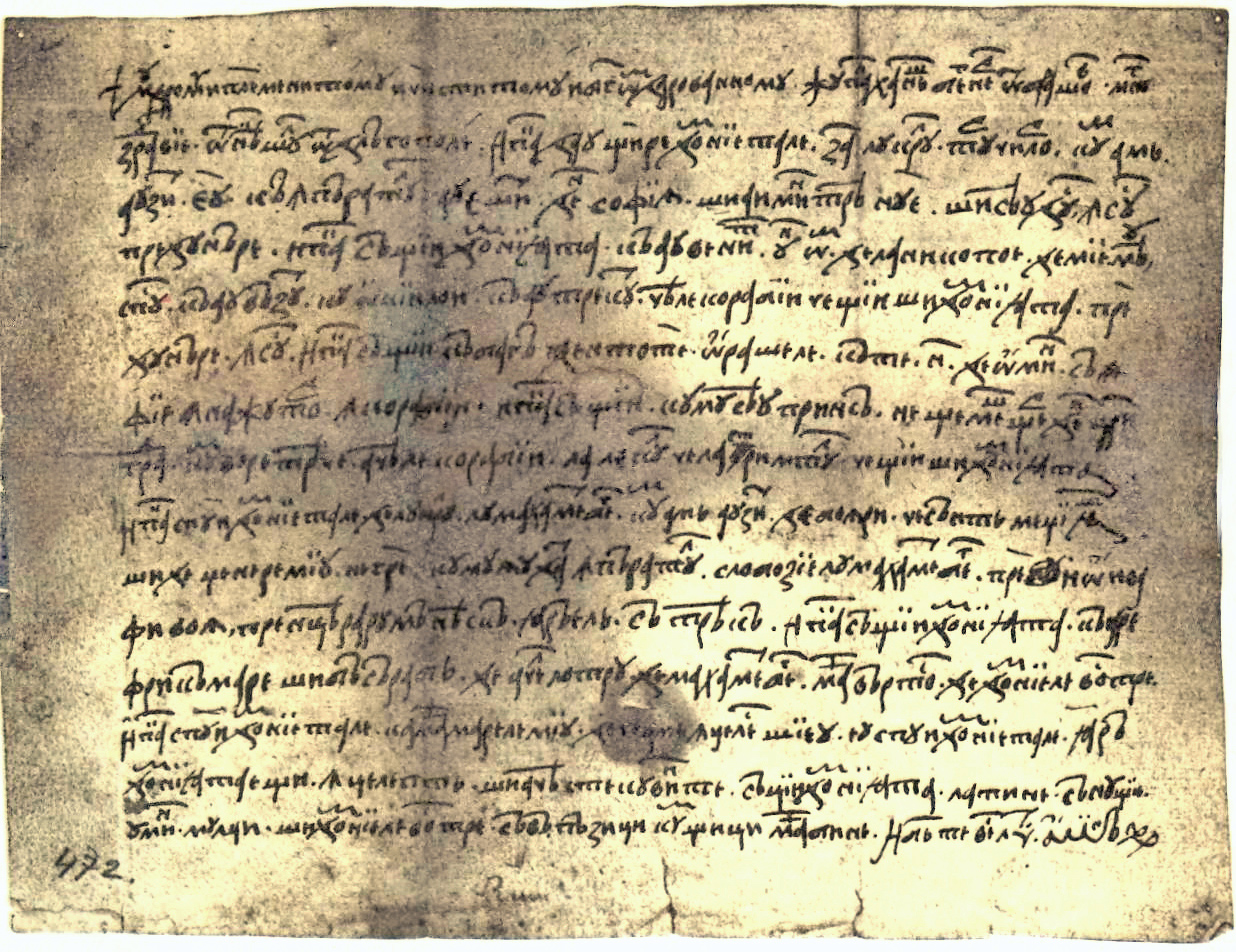
Romanian evolved from the Vulgar Latin spoken in the Roman province of Dacia and adjacent territories. Over centuries it absorbed elements from migrating and neighboring peoples. Until the 19th century, written Romanian sometimes used the Cyrillic alphabet; a shift to a Latin-based script and later spelling reforms standardized the modern orthography and introduced diacritics for specific sounds.
Distribution, status and varieties
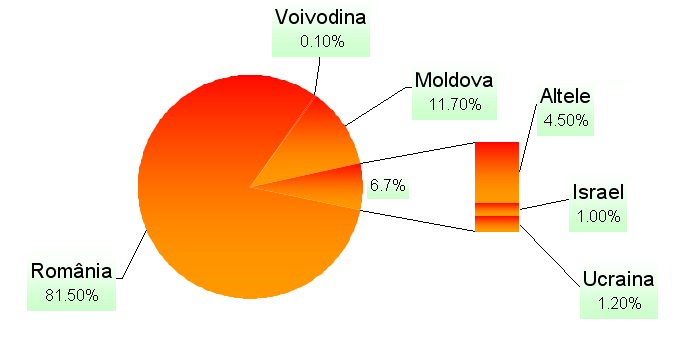
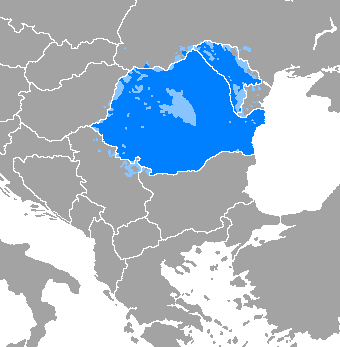
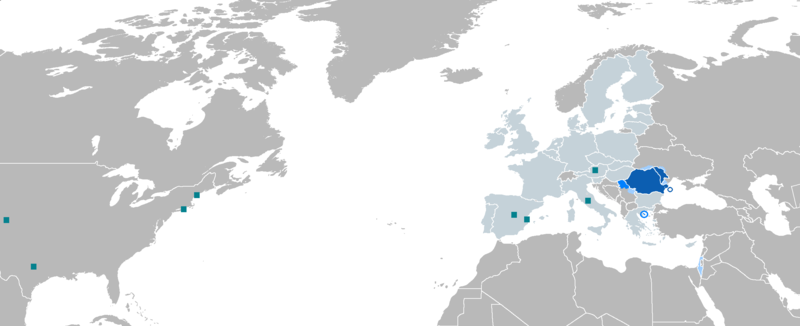
The language is the official language of Romania and is widely used across communities in and beyond that country. It is also the most widely spoken language in Moldova, where public debate and policies have sometimes used the name Moldovan. Linguists generally treat Moldovan as the same language or a regional variety rather than a separate language; such differences are often described as regional dialect or standard-level variation.
Dialects and related varieties
- Standard/Daco-Romanian: the basis for official and literary Romanian.
- Aromanian, Megleno-Romanian, and Istro-Romanian: related Eastern Romance varieties spoken in parts of the Balkans.
Importance and contemporary use
Romanian serves as a national language, a medium for literature, education, and media, and as an everyday language for millions in eastern Europe and diaspora communities. Its mixture of Romance grammar with Balkan and Slavic features makes it of particular interest to comparative linguistics and to those studying language contact phenomena.
Author
AlegsaOnline.com Romanian language: overview, history, features, and regional status Leandro Alegsa
URL: https://en.alegsaonline.com/art/83895
Sources
- unilat.org : Latin Union
- parlament.md : Parlament.md
- iatp.md : IATP.md