
Ventura County, California: geography, history, economy and notable features
Coastal county in southern California with beaches, agriculture, oil and suburban communities. Includes Oxnard, Thousand Oaks and Ventura; population was over 800,000 by the 2010 census.
Overview
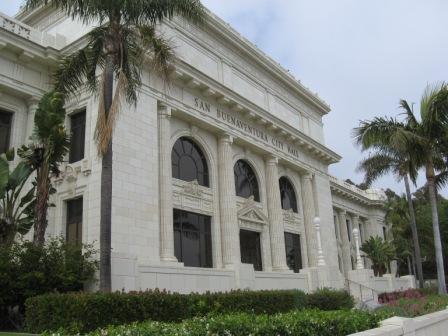
Ventura County sits along the coast in the southern portion of the state of California. It combines shoreline, fertile valleys and mountain ranges within a single county unit. The county seat is the city of Ventura, and the 2010 census recorded a population of more than 800,000 people. Ventura County is part of the Oxnard–Oxnard – Thousand Oaks – Ventura metropolitan area and is economically linked to the larger Los Angeles–Long Beach Combined Statistical Area.
Image gallery
10 Images




Geography and environment
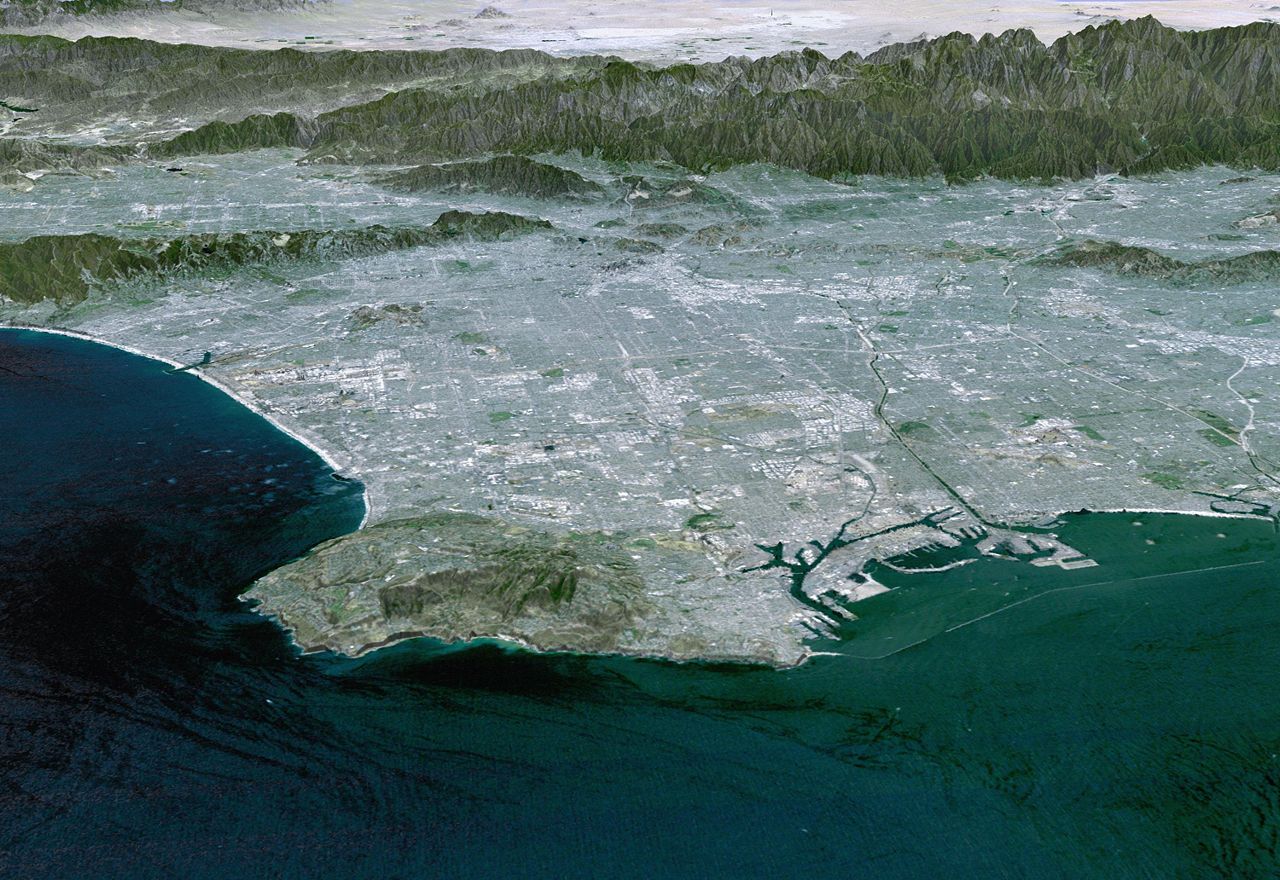
The county stretches from Pacific beaches and coastal bluffs across broad agricultural plains to the Transverse Ranges inland. The maritime influence yields a Mediterranean climate near the coast with milder temperatures and coastal fog, while inland valleys and canyons are warmer and drier. Diverse habitats include coastal dunes, estuaries, oak woodlands and chaparral; several islands and protected marine areas lie off the coast. These ecosystems support a range of plant and animal species and important conservation areas.
History and culture
Indigenous peoples lived in the region for thousands of years before European contact. In the Spanish and Mexican periods, mission and rancho systems shaped settlement patterns; the legacy of that era appears in place names, architecture and historic sites. During the late 19th and 20th centuries the arrival of railroads, highways and irrigation encouraged agriculture, oil development and urban growth, producing a mix of small cities, suburbs and preserved open space.
Economy and land use
Agriculture remains a major land use, with production that includes vegetables, berries, citrus and nursery stock. The county also has a long history of oil production and related industries, and sectors such as manufacturing, aerospace, education and tourism contribute to the economy. Coastal recreation, cultural attractions and vineyards bring visitors, while commuting links tie many residents to jobs elsewhere in Southern California.
Population, government and communities
The county is governed by a board of supervisors and provides public safety, health and planning services for incorporated cities and a number of unincorporated communities. Major cities include Oxnard, Thousand Oaks and Ventura. Growth and housing affordability are ongoing planning issues as the county balances development with agricultural preservation and open-space protection.
Transportation and infrastructure
Ventura County is served by major highways and passenger rail that connect it to the greater Southern California region. Freight routes support agricultural shipments and industry. Military and federal installations, including naval aviation facilities, also influence local infrastructure and employment.
Recreation and hazards
Residents and visitors use beaches, regional parks and trails for outdoor recreation; cultural venues reflect Indigenous, Spanish mission and frontier histories. The county is subject to regional hazards common in California, including wildfires and earthquakes, and land-use planning and emergency services reflect those risks.
Further information
- For demographic details consult the most recent census and county publications; the 2010 census gives a baseline for earlier population figures.
- Regional planning and economic reports describe relationships with the Los Angeles and Long Beach metropolitan economies and the broader Combined Statistical Area.
- Local government websites and conservation organizations provide up-to-date information on land use, protected areas and community services; see municipal and county sources such as the office of the county seat for civic matters.
Related articles
Author
AlegsaOnline.com Ventura County, California: geography, history, economy and notable features Leandro Alegsa
URL: https://en.alegsaonline.com/art/104595
Sources
- geonames.usgs.gov : "Ventura County"
- peakbagger.com : "Mount Pinos"
- quickfacts.census.gov : "Ventura County QuickFacts"
- naco.org : "Find a County"
- parks.ca.gov : "Central Coast"