
Orange County, California: overview, geography, history, economy and attractions
Comprehensive overview of Orange County, California: geography, history, major cities, economy, culture and key attractions including Disneyland and coastal communities.
Orange County is a densely populated coastal county in southern California, in the United States. Established in 1889 from portions of neighboring jurisdictions, it takes its name from the citrus groves that once dominated the landscape. The county seat is Santa Ana, which serves as the administrative and cultural center for the region. Though compact in area—less than 1,000 square miles—the county holds a large and diverse population and is often described as a mix of suburban neighborhoods, beach towns and planned communities.

Image gallery
10 Images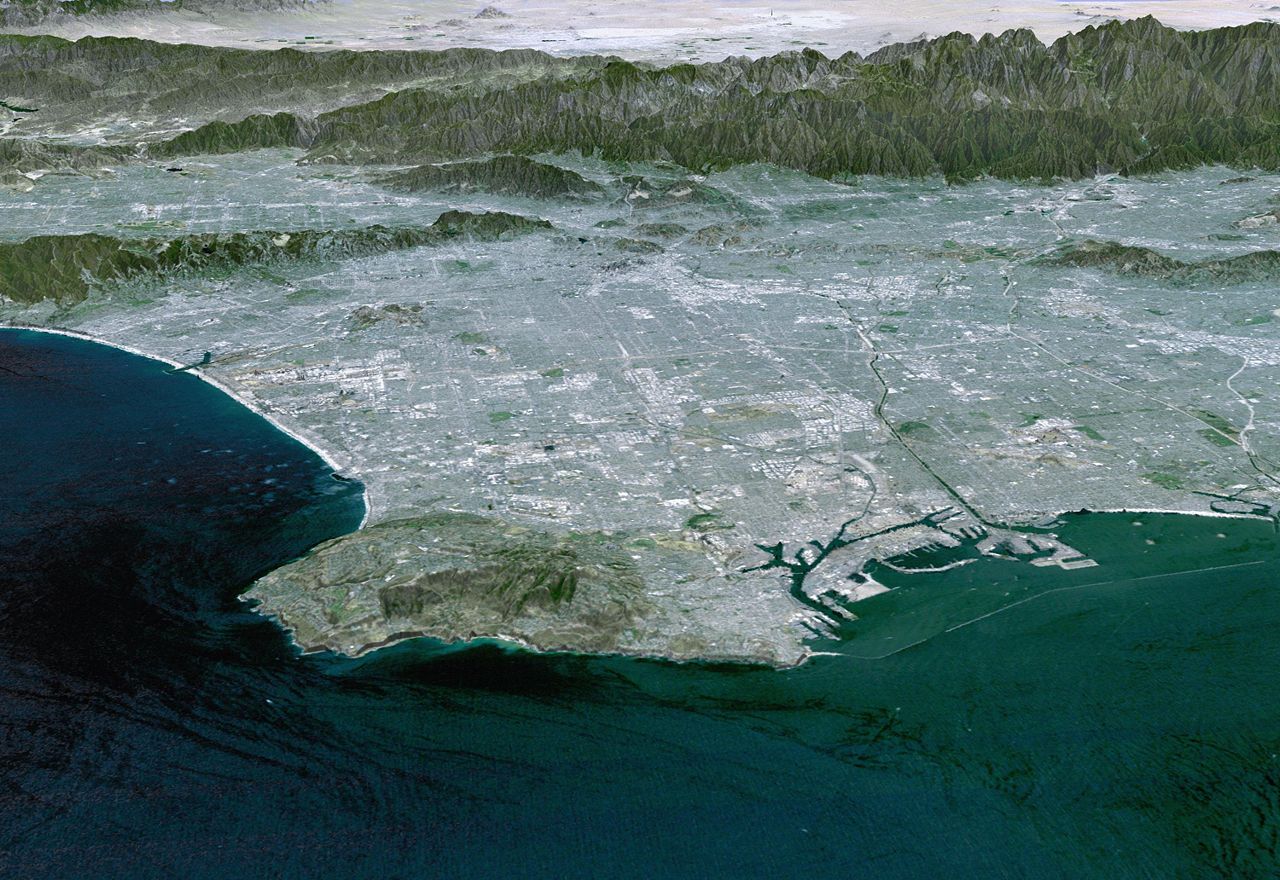



Geography and climate
Orange County fronts the Pacific Ocean and is shaped by several river valleys and coastal plains. The westward flow of the Santa Ana River bisects the county roughly into northern and southern zones, while the San Gabriel River forms part of the county’s northern boundary with Los Angeles County. The coastline includes well-known beaches and bluffs that form important recreational and ecological corridors. The climate is broadly Mediterranean: mild, wet winters and warm, dry summers, with local microclimates that vary between the immediate coast and inland valleys.
Major cities and communities
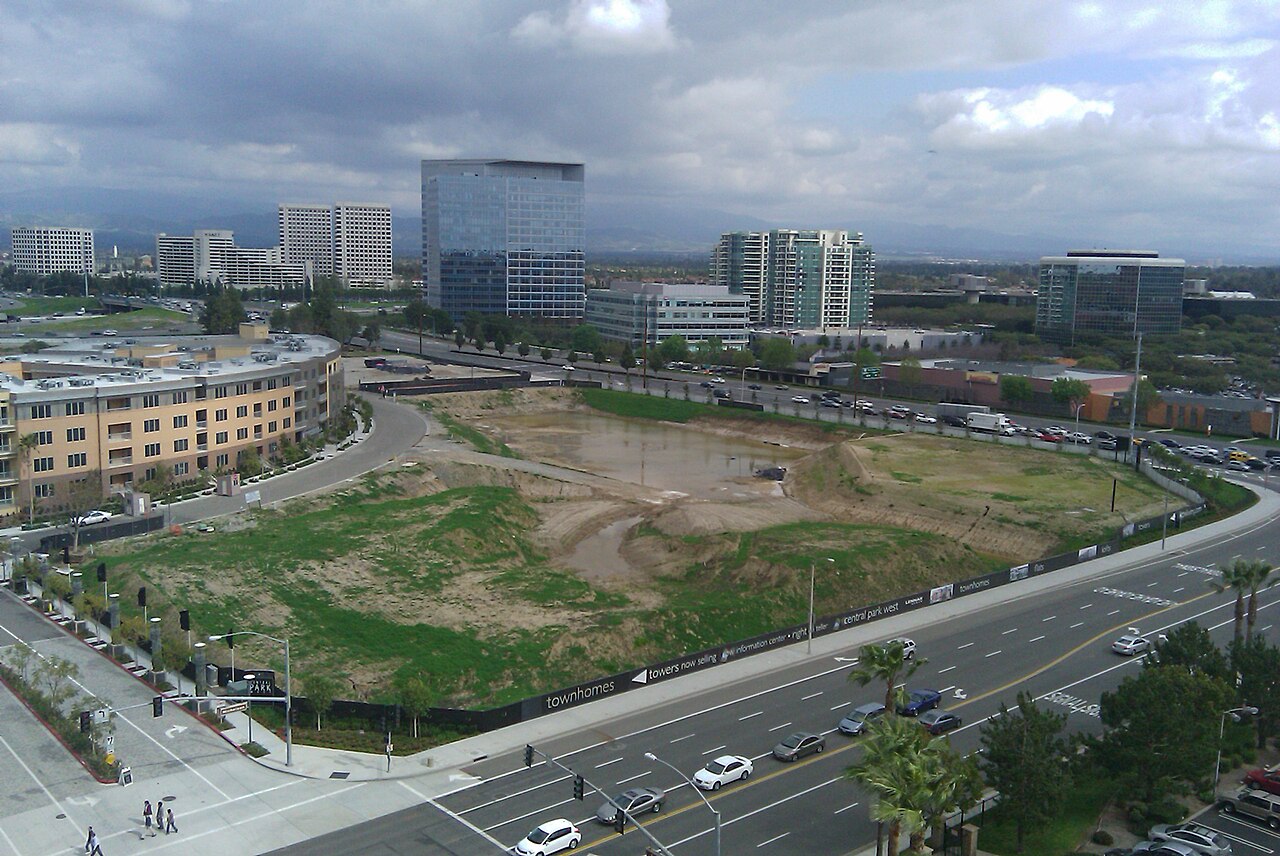
Orange County contains many incorporated cities and unincorporated communities. Important urban centers include Anaheim, Orange, Huntington Beach, Fullerton and Irvine. These cities differ in character: some are dense and historic, others are master-planned suburbs or seaside resort towns. Much of the county’s built landscape is residential, with commercial corridors, employment centers and pockets of light industry distributed throughout.
History and development
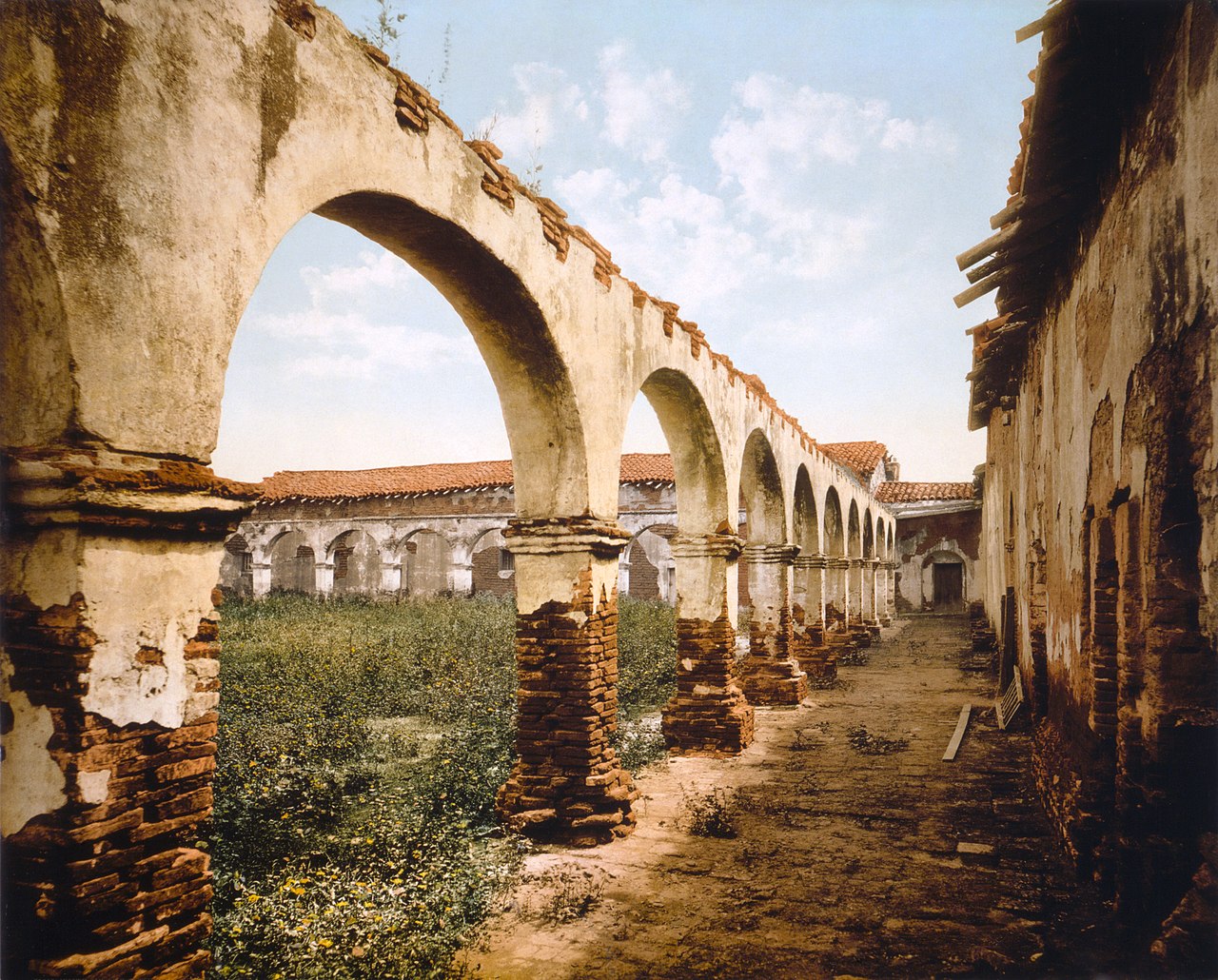
Before American statehood the region was home to Native American peoples and later became part of Spanish and Mexican land grants. Commercial citrus cultivation—especially oranges—dominated the late 19th and early 20th century economy and gave the county its name. After World War II, large-scale suburbanization, freeway construction and new housing developments transformed former agricultural land into residential tracts and commercial centers. The mid-20th century also saw the arrival of major attractions and institutions that reshaped tourism and higher education in the county.
Economy, institutions and transport
The county’s economy rests on a mix of tourism, professional services, technology, healthcare and education. Major employers include theme parks and hospitality businesses, university campuses such as the University of California, Irvine, and medical centers. Transportation is centered on an extensive freeway network and regional airports; John Wayne Airport in Santa Ana serves many domestic flights and connects the county with broader markets. Public agencies and a county board of supervisors provide local governance and regional planning.
Attractions and notable facts
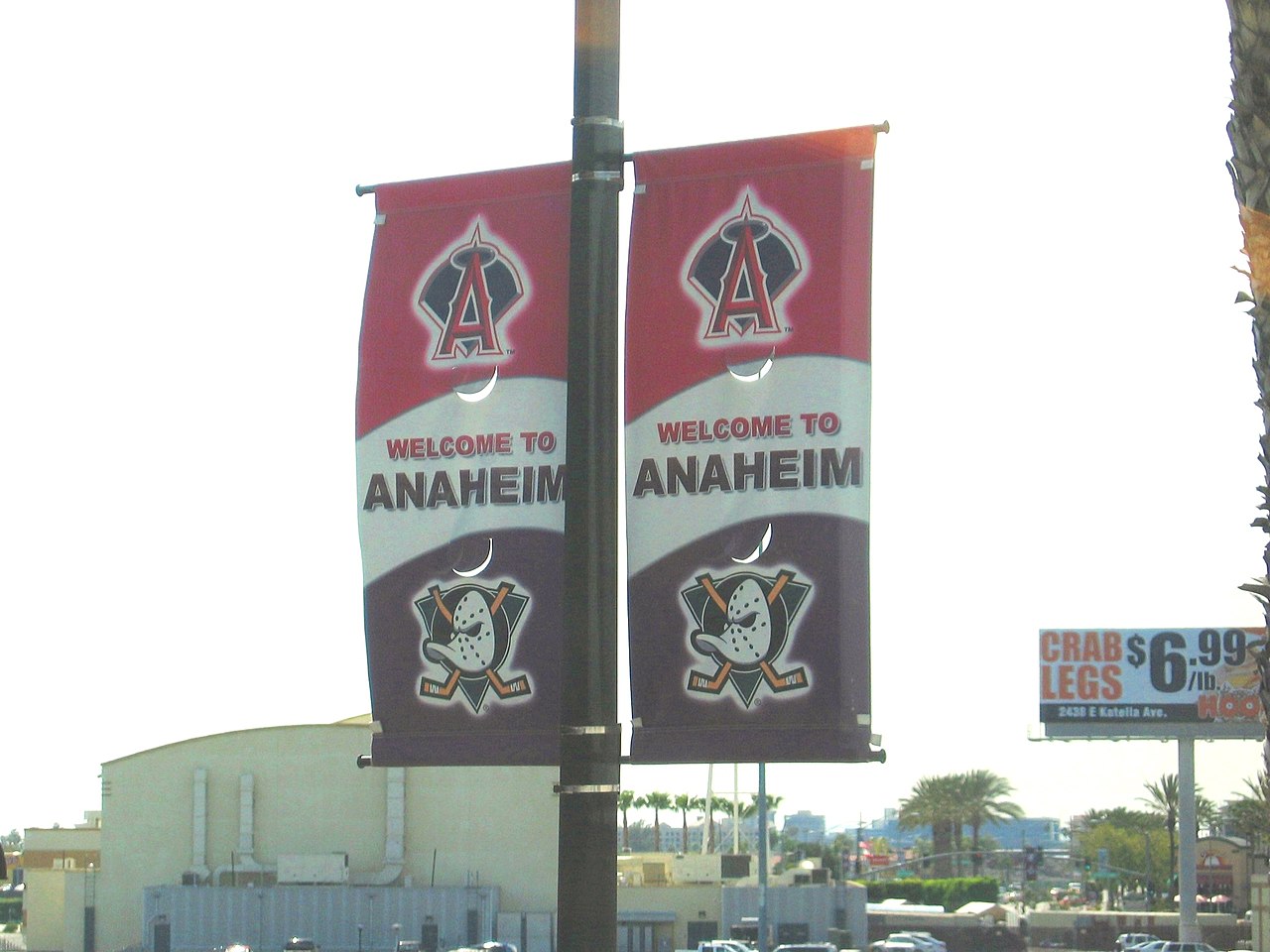
Orange County is widely known for family-oriented entertainment and coastal culture. Prominent attractions include Disneyland in Anaheim and historic parks like Knott’s Berry Farm, both drawing millions of visitors annually. The coastline offers popular destinations such as Huntington Beach and Newport Beach, while inland cities contain museums, theaters and university-affiliated research centers. The county also features a variety of annual events, arts festivals and outdoor recreation opportunities.

- Representative points of interest: Anaheim, Irvine, Huntington Beach, Orange.
- Waterways and boundaries: Santa Ana River, San Gabriel River.
- Reference links for further reading: county information, regional geography, local communities, housing and land use.
While relatively small in land area, Orange County remains one of California’s most influential and busiest regions—third in population among the state’s counties—known for its economic diversity, coastal environment and a blend of historic and modern urban development. For detailed statistics, planning documents and visitor information, consult local government and tourism resources or the county’s official pages. State context, national context and community portals provide additional perspectives on the county’s role within the broader region.
Questions and answers
Q: What is the county seat of Orange County?
A: The county seat and largest city of Orange County is Santa Ana.
Q: How many people live in Orange County?
A: There are 3,121,251 people living in Orange County.
Q: What river divides the county into north and south parts?
A: The west-flowing Santa Ana River divides the county into north and south parts.
Q: What other big cities are located in Orange County?
A: Other big cities located in Orange County include Anaheim, Orange, Huntington Beach, Fullerton and Irvine.
Q: What is the highest average income in Orange County?
A: The highest average income in Orange County is $203,091, found in the city of Villa Park.
Q: What famous attractions can be found in Orange County?
A: Famous attractions such as Disneyland and Knott’s Berry Farm can be found in Orange County.
Q: How tall will One Broadway Plaza be when it's completed?
A: When completed, One Broadway Plaza will be 497 feet (151 m) tall.
Related articles
Author
AlegsaOnline.com Orange County, California: overview, geography, history, economy and attractions Leandro Alegsa
URL: https://en.alegsaonline.com/art/72932
Sources
- quickfacts.census.gov : "Orange County Fact Sheet"
- sawpa.org : "Santa Ana River Watershed"
- commons.wikimedia.org : Orange County, California
- ocgov.com : Official website
- wikidata.org : wikidata.org/wiki/Q5925
- simple.wikivoyage.org : Orange County, California
- nytimes.com : Orange County’s Changing Politics
- uscounties.org : Orange County, California
- naco.org : National Association Of Counties
- imdb.com : Filming Locations in Orange County