
San Bernardino County, California
A large and geographically varied county in southeastern California, home to over two million people, extensive deserts and mountains, major logistics hubs, and diverse communities from mountain resorts to Inland Empire cities.

San Bernardino County occupies a vast portion of southeastern California and is the state's largest county by area. It is home to more than two million residents and to a wide range of landscapes, from high mountain forests to arid desert basins. The county seat is the city of San Bernardino; the county also contains many other cities and towns that together form part of the greater Inland Empire region. For official county information see San Bernardino County government.
Image gallery
10 Images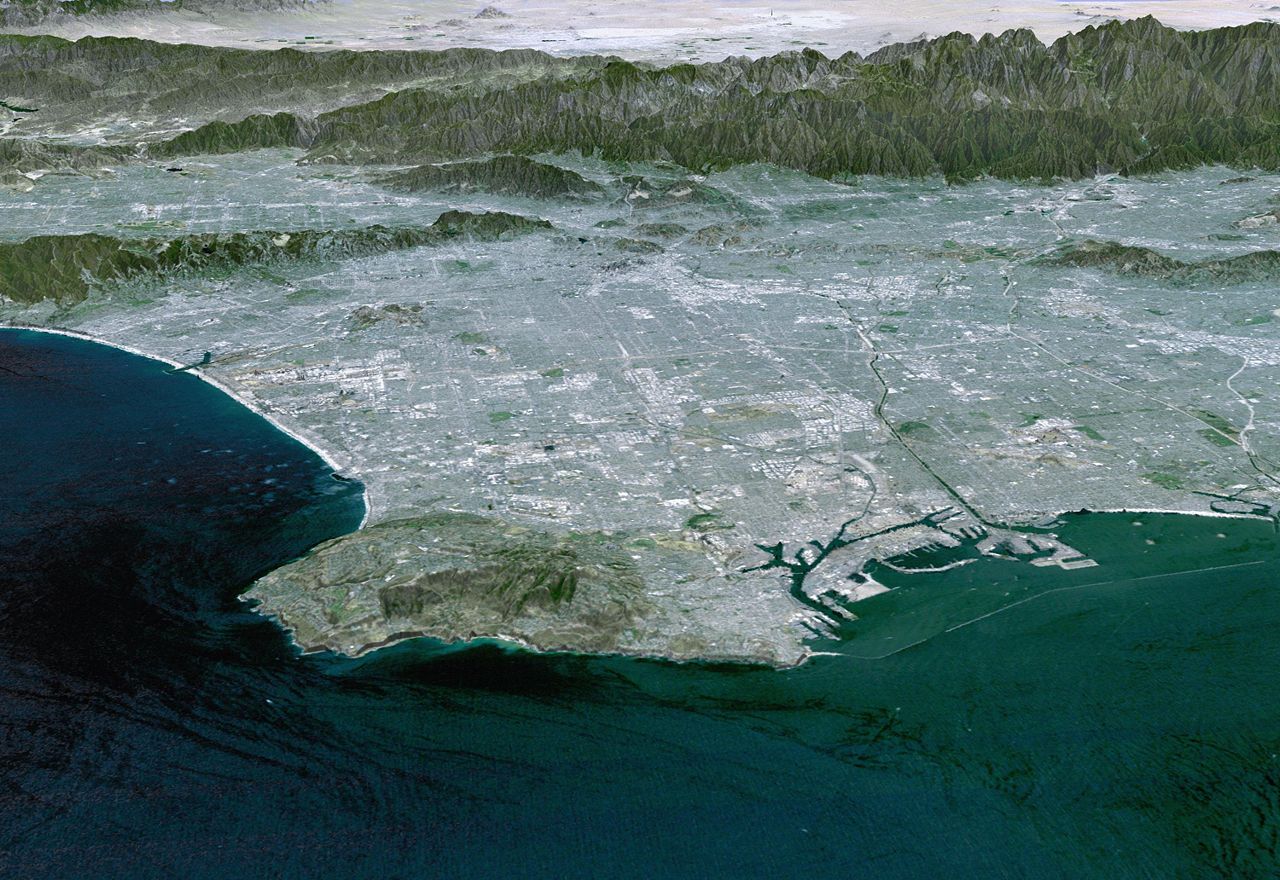



Geography and major features
Stretching east–west for hundreds of miles, the county includes parts of the San Bernardino Mountains, extensive sections of the Mojave Desert, and large tracts of federally managed lands. Notable protected areas and wildlands within or adjacent to the county include portions of the San Bernardino National Forest, segments of Joshua Tree National Park, and desert preserves that offer hiking, camping and off‑road recreation. In sheer size the county covers more territory than some U.S. states; it is larger in area than the state of Maryland (comparison).
History and development
Indigenous peoples, Spanish colonists, Mexican ranchos and later American settlers all shaped the county's early history. Over the 19th and 20th centuries its economy and settlement pattern evolved from ranching and mining to agriculture, railroad towns and eventually suburban and industrial growth near Los Angeles. The expansion of freight transport, warehousing and manufacturing in the late 20th century helped establish the Inland Empire as an important logistics hub.
Communities and demographics
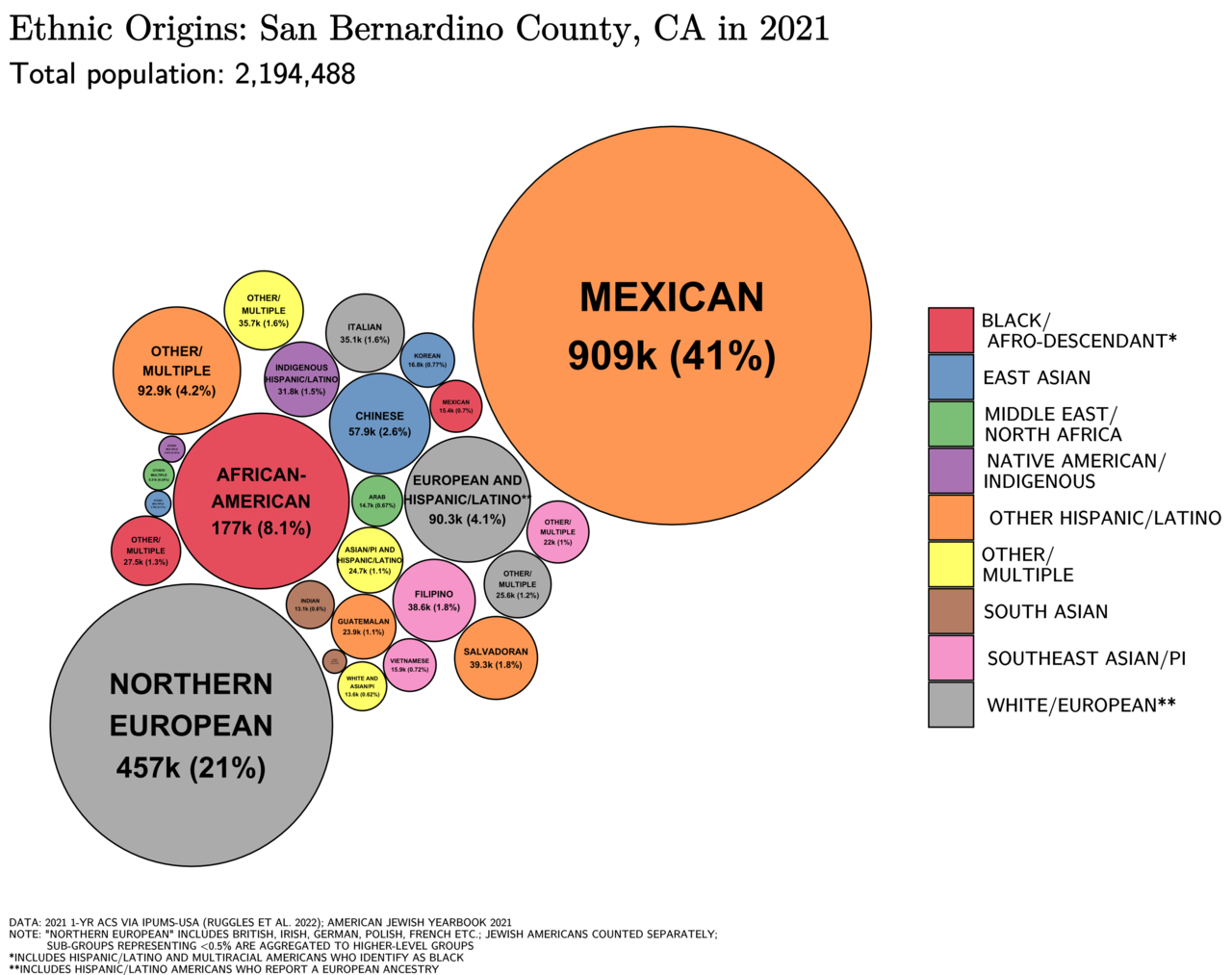
The county contains a mix of dense urban areas, suburban communities and sparsely populated desert and mountain regions. Major incorporated cities include San Bernardino, Ontario, Fontana, Rancho Cucamonga and Victorville, among others. Smaller towns, unincorporated communities and resort centers such as Big Bear and Lake Arrowhead provide recreational and residential diversity. The population is culturally and linguistically diverse, with many neighborhoods reflecting Hispanic, Asian and other communities.
Economy and transportation
San Bernardino County's economy is shaped by logistics and distribution, manufacturing, retail, government services and outdoor recreation. Proximity to Southern California ports and major interstate highways has driven growth in warehousing and freight movement. Key transportation corridors include several Interstate highways and rail lines; regional and municipal airports serve passengers and cargo. For the city of San Bernardino itself see San Bernardino.
Recreation, environment and risks
The county offers a wide range of recreational opportunities: mountain skiing and lakeside resorts in the higher elevations, rock climbing and hiking in desert parks, and extensive trails and OHV areas. Its varied climates and ecosystems support diverse flora and fauna but also create management challenges: wildfire risk in forested slopes, water resource concerns in the desert and pressures on public lands from recreation and development.
Government, planning and notable facts
Local government includes elected county supervisors, law enforcement, health and social services, and multiple special districts that manage water, transit and land use. Planners balance urban growth near job centers with conservation of large rural and wilderness areas. The county's combination of dense population centers and vast uninhabited lands makes it distinctive among U.S. counties. For more background on California and the region see California.

- Major landscapes: mountains, deserts, valleys
- Key sectors: logistics, manufacturing, tourism
- Notable challenges: wildfires, water management, equitable infrastructure
Related articles
Author
AlegsaOnline.com San Bernardino County, California Leandro Alegsa
URL: https://en.alegsaonline.com/art/86781