
Solenoid
A solenoid is a coil of wire that produces a controlled magnetic field when electrified; used as an electromagnet, actuator, or component in valves, relays and many electromechanical devices.
Overview
A solenoid is a three-dimensional coil of conducting wire shaped so that an electric current flowing through it produces a predictable magnetic field. When the coil surrounds a ferrous core or contains a movable plunger, the device concentrates magnetic forces to perform mechanical work. The electromagnetic behavior gives solenoids their characteristic magnetic properties and—because the field depends on the current—permits the device to be switched on and off by controlling the electricity.
Image gallery
6 Images



How it works
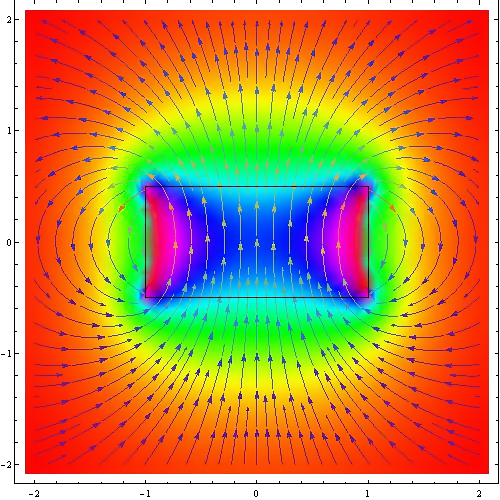
At its simplest a solenoid is a series of turns that create a magnetic field similar to that of a bar magnet when current passes through. The direction of the field and the polarity of the ends are determined by the direction of current flow (often explained with the right-hand rule). Changing currents and moving magnetic fields can also produce related effects known as electromagnetic induction. A charged coil acting as a magnet is commonly called an electromagnet, and adding a soft iron core increases the field strength and the force available to move parts.
Parts and variations
Common elements of a solenoid include the coil, the core or plunger (if present), an enclosure, and electrical connections. Designs range from simple air-core coils, used where a uniform field is desired, to iron-core or laminated cores that boost force and reduce losses. Some solenoids are built specifically as linear actuators where the energized coil pulls a metal plunger into its bore; others are toroidal or used solely to generate magnetic fields in experiments.
History and development
The principles behind solenoids emerged in the early 19th century as pioneers of electromagnetism demonstrated that electric currents produce magnetic effects. Subsequent improvements in wire insulation, battery and power technology, and magnetic materials allowed practical solenoids to be manufactured and applied in industry, transport, communications and household devices.
Applications and examples
- Valves and fluid control: the coil drives a plunger to open or close passages in valves.
- Switching and logic: when a solenoid operates an electric switch it performs the mechanical contact movement found in a relay.
- Consumer and industrial equipment: solenoids provide impact and motion in devices such as pinball machines and actuators in vehicles.
- Other uses include door locks, starter motors (starter solenoids), fuel injectors, automated manufacturing systems, and laboratory apparatus.
Notable distinctions and practical considerations
The term "solenoid" may refer either to the coil itself or to an electromechanical assembly that converts electrical energy to linear motion. Design trade-offs include force versus travel distance, speed of response, thermal limits, and power consumption. In AC applications the magnetic field reverses with the supply frequency, which can affect holding force and produce audible noise unless the design compensates for it. Maintenance concerns center on insulation integrity, wear of moving parts, and core saturation when driven at high current.
Because of their simplicity and direct conversion of electrical input to mechanical action, solenoids remain a fundamental component across many engineering disciplines. For technical guides, component datasheets and detailed examples, see manufacturer literature and engineering references via the links above.
Related articles
Author
AlegsaOnline.com Solenoid Leandro Alegsa
URL: https://en.alegsaonline.com/art/91665