
Soft water: definition, sources, effects and treatment
Soft water contains low concentrations of calcium and magnesium ions (often measured as CaCO3). This article explains its properties, natural origins, practical effects and common softening methods.
Overview
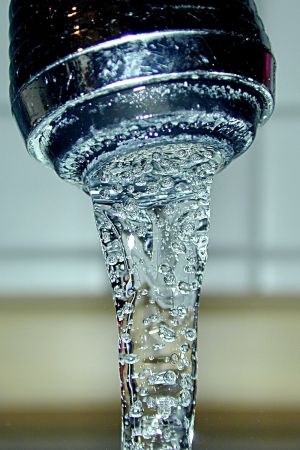
Soft water is water with relatively low concentrations of dissolved calcium and magnesium compounds. It is commonly characterized by a small amount of calcium carbonate; one simple threshold sometimes cited is less than 85.5 parts per million expressed as CaCO3, though definitions vary by region and laboratory method. Soft water contrasts with hard water, and a practical sign of softness is that the water lathers easily with soap.
Image gallery
3 Images

Characteristics and measurement
Hardness is usually reported as milligrams per litre (mg/L) or parts per million (ppm) of calcium carbonate (CaCO3). Soft water has low concentrations of the divalent cations calcium (Ca) and magnesium (Mg). Other dissolved ions that influence water chemistry — such as sodium, chloride or bicarbonate — are separate from classical hardness but may affect taste, corrosion and treatment choices. Soft water tends to increase soap foaming and leaves fewer mineral deposits than hard water.
Natural sources and geology
Water becomes naturally soft when it has not been in contact with calcium- and magnesium-bearing rocks long enough to dissolve significant minerals. Rainwater and groundwater that flow through areas dominated by acidic organic deposits, such as peat, or through silica-rich igneous rocks and their derived soils, are often soft. Specific rock types associated with naturally soft supplies include granite and certain sandstone formations, which contain relatively little dissolved calcium and magnesium.
Uses, advantages and disadvantages
Soft water offers clear practical benefits: it reduces scale buildup in plumbing and heating equipment, improves the cleaning efficiency of soaps and detergents, and can extend the service life of kettles and boilers. The main disadvantage is that, compared with some hard waters, soft water may supply less dietary calcium and magnesium; epidemiological studies have sometimes suggested links between hard-water mineral content and health outcomes, but findings are not uniform. Additionally, some household softening technologies replace calcium and magnesium with sodium or potassium, which can raise sodium levels in the water and may be a concern for people on low-sodium diets.
Common softening methods
Where natural supply is hard, water can be softened by several methods. Ion-exchange water softeners swap calcium and magnesium ions for sodium or potassium ions and are common in homes. Reverse osmosis and distillation remove most dissolved minerals and produce very soft water; these are used when very low mineral content is required. At municipal scale, treatments such as lime softening or blending different sources are used. Each approach has trade-offs in cost, maintenance, residual chemistry and environmental impact.
Notable distinctions and practical guidance
- Scale vs corrosion: Hard water promotes scale (mineral deposits) that reduce efficiency in boilers and hot-water systems, while very soft water can be more aggressive toward some metals and plumbing materials.
- Appliance care: Soft water reduces limescale buildup but may make some soaps feel slimy on skin; many users balance benefits by partial softening or point-of-use treatment.
- Health and taste: Mineral content influences taste and can contribute modestly to dietary mineral intake; treatment choices should consider both health and household needs.
For detailed tests, local water suppliers or certified laboratories can report hardness as mg/L CaCO3 and advise on appropriate treatments. For further general information see linked resources on definitions and geology: calcium carbonate, calcium, magnesium, and the articles on hard water, peat, igneous rock, granite, sandstone.
Related articles
Author
AlegsaOnline.com Soft water: definition, sources, effects and treatment Leandro Alegsa
URL: https://en.alegsaonline.com/art/91568