
Igneous rock: formation, types, and uses
Igneous rock forms by cooling of molten material (magma or lava). This article explains its formation, textures, classification, common examples, uses, and how it differs from sedimentary and metamorphic rocks.
Igneous rock is one of the Earth’s three primary rock classes and forms when molten material cools and solidifies. The molten source, called magma while still below the surface and lava if erupted, crystallizes into mineral grains or glass. The term comes from the Latin ignis, meaning fire, and emphasizes the high temperatures involved in its origin.
Image gallery
10 Images

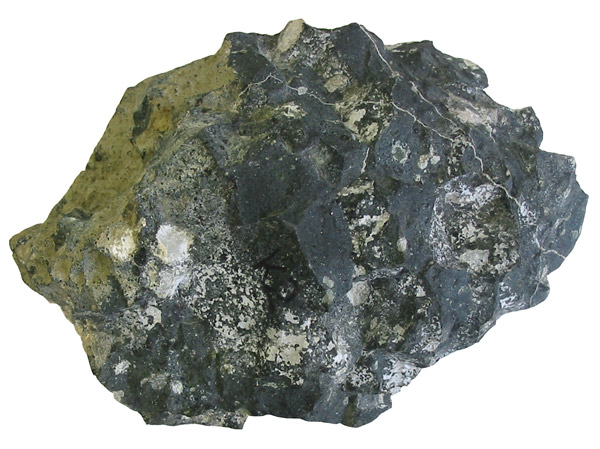




Formation and main types
Igneous rocks are commonly divided into intrusive (plutonic) and extrusive (volcanic) types. Intrusive rocks cool slowly beneath the surface and develop larger, visible crystals; granite is a familiar example. Extrusive rocks cool rapidly at or near the surface and tend to be fine-grained or glassy; basalt and volcanic glass (obsidian) are typical. Intermediate cooling histories produce porphyritic textures with mixed crystal sizes.
Textures and common examples
- Coarse-grained (phaneritic): visible crystals, e.g., granite.
- Fine-grained (aphanitic): small crystals, e.g., basalt.
- Glassy: rapid quenching yields glass, e.g., obsidian.
- Vesicular: gas bubbles trapped produce pumice or scoria; consolidated ash forms rocks such as tuff.
Composition and classification
Igneous rocks are classified by mineral content and silica (SiO2) percentage. Rocks richer in silica and light minerals (quartz, feldspars) are termed felsic and tend to be lighter and less dense; granite is felsic. Mafic rocks contain more magnesium and iron-bearing minerals (pyroxene, olivine) and are darker and denser; basalt is mafic. These compositional differences influence color, density, and melting behavior in the mantle and crust.
Uses, importance, and geological role
Igneous rocks make up large proportions of Earth’s crust and oceanic floors. They supply building stone and crushed aggregate, decorative facing stones and countertops, and host many mineral deposits. Volcanic rocks record eruption histories and hazards, while plutonic bodies reveal deep crustal processes. Radiometric dating of igneous crystals provides absolute ages used in reconstructing geologic time.
Relationship to other rock types
Igneous rocks contrast with sedimentary rocks, which form from weathered fragments and chemical precipitates, and metamorphic rocks, which are preexisting rocks altered by heat and pressure. All three participate in the rock cycle: igneous rock can weather into sediments or be metamorphosed during tectonic burial, and melted again into new magma.
Common examples used in study and construction include basalt, granite, tuff, pumice and obsidian. Their textures, mineralogy and occurrence help geologists interpret Earth processes from volcanic eruptions to continental growth.
Questions and answers
Q: What are the three main types of rocks?
A: The three main types of rocks are igneous, sedimentary, and metamorphic rock.
Q: What are igneous rocks made from?
A: Igneous rocks are made from molten magma.
Q: How is magma made liquid?
A: Magma is made liquid by the heat inside the Earth's mantle.
Q: What is lava?
A: Lava is the magma that comes out onto the surface of the Earth.
Q: What are two types of rocks formed by lava?
A: Two types of rocks formed by lava are tuff and basalt.
Q: How are intrusive rocks formed?
A: Intrusive rocks are formed when magma slowly cools to form rocks under the surface.
Q: What does the word 'igneous' mean?
A: The word 'igneous' derives from the Latin word Ignis which means fire in English.
Related articles
Author
AlegsaOnline.com Igneous rock: formation, types, and uses Leandro Alegsa
URL: https://en.alegsaonline.com/art/46609