
Peat: formation, types, uses, and environmental importance
Peat is partially decayed plant material that accumulates in waterlogged landscapes. This article explains how peat forms, its types and uses, and the environmental issues and restoration approaches linked to peatlands.
Overview
Peat is an organic deposit made up of partially decayed vegetation that accumulates where plant matter decays slowly under waterlogged, low-oxygen conditions. These deposits develop over long periods in a range of wetland settings such as wetlands, bogs, moors, mires and swamps. Peat varies in texture, color and decomposition depending on climate, vegetation and drainage.
Image gallery
10 Images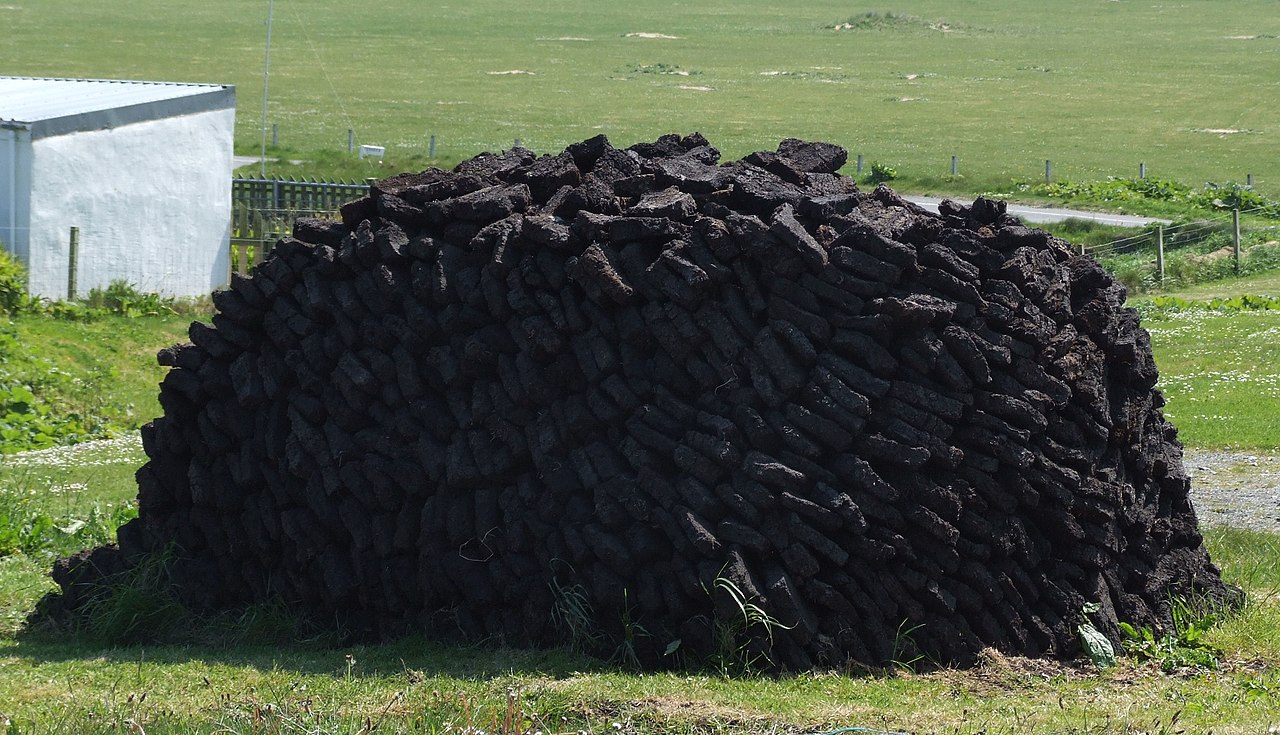


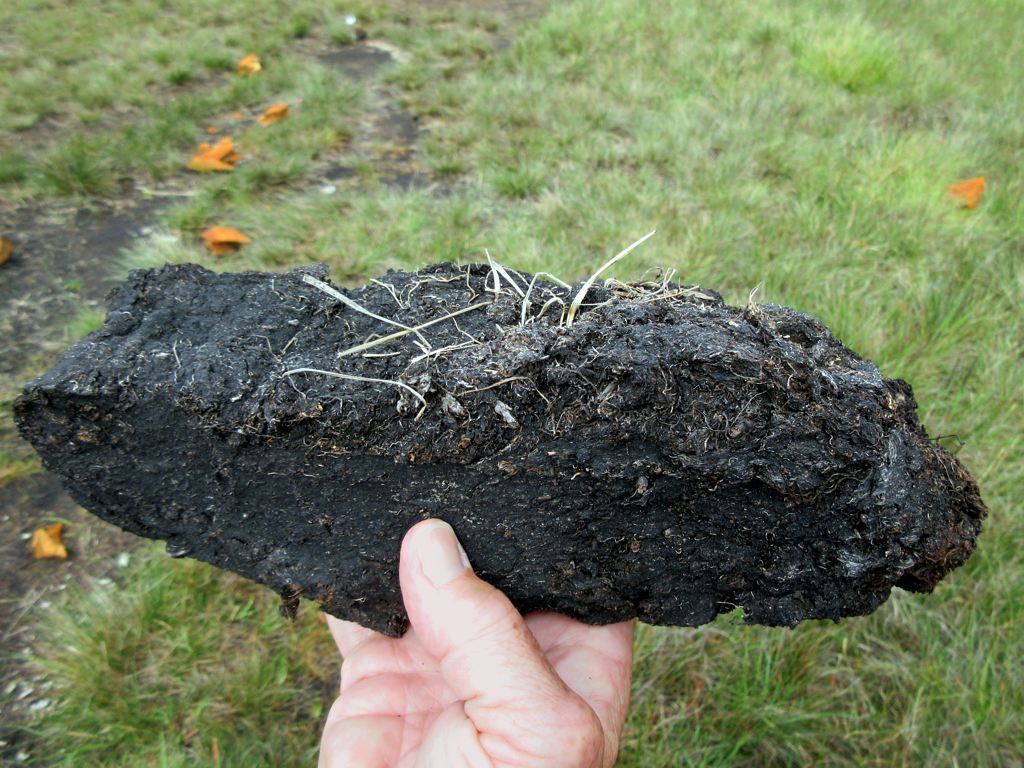


Formation and types
Peat formation begins when plant material—often mosses, sedges and shrubs—accumulates faster than it decomposes because of cold, wet or acidic conditions. Over time layers build up and organic matter becomes more compact and altered. General categories used by peat workers include fibric (less decomposed and more plant-like), hemic (intermediate) and sapric (highly decomposed and humus-like) peats, reflecting increasing degrees of decay.
Uses and cultural importance
Historically and today, peat has been used in several ways. Common uses include:
- Fuel: Dried peat has been burned for domestic heating and local industry in some regions.
- Horticulture: Peat moss and peat-based composts are valued for water retention and soil structure in gardening and commercial growing.
- Flavoring: In a few food and beverage traditions, peat smoke is used to impart characteristic flavors, for example in some distilled spirits.
Environmental role and concerns
Peatlands are important stores of carbon and support distinctive plant and animal communities. When drained or extracted, peat can release stored carbon dioxide and other greenhouse gases, and degrade habitats. For these reasons many conservation and climate policies focus on protecting intact peatlands and reducing peat extraction.
Management, restoration and distinctions
Restoration approaches commonly aim to rewet degraded peatlands, raise water tables and re-establish native vegetation to stop further peat loss and help recover carbon storage and biodiversity. It is also important to distinguish peat from coal: peat is an early stage of compressed organic matter that, under geological pressure and heat over long time periods, can transform into coal. Awareness of peat’s ecological functions has increased interest in sustainable alternatives to peat in horticulture and in policies to phase down peat extraction.
For additional background on peat formation, ecology and management, consult regional conservation resources and technical guides that address local peatland types, restoration methods and policy frameworks.
Related articles
Author
AlegsaOnline.com Peat: formation, types, uses, and environmental importance Leandro Alegsa
URL: https://en.alegsaonline.com/art/75370
Sources
- imcg.net : "Peat should not be treated as a renewable energy source"
- worldenergy.org : "Survey of Energy Resources 2007"