
Suit (clothing): tailored outfits for formal and business wear
A suit is a coordinated set of garments—most commonly a jacket and matching trousers—worn for business, formal and ceremonial occasions. This article explains parts, styles, history, tailoring, accessories and care.
Overview
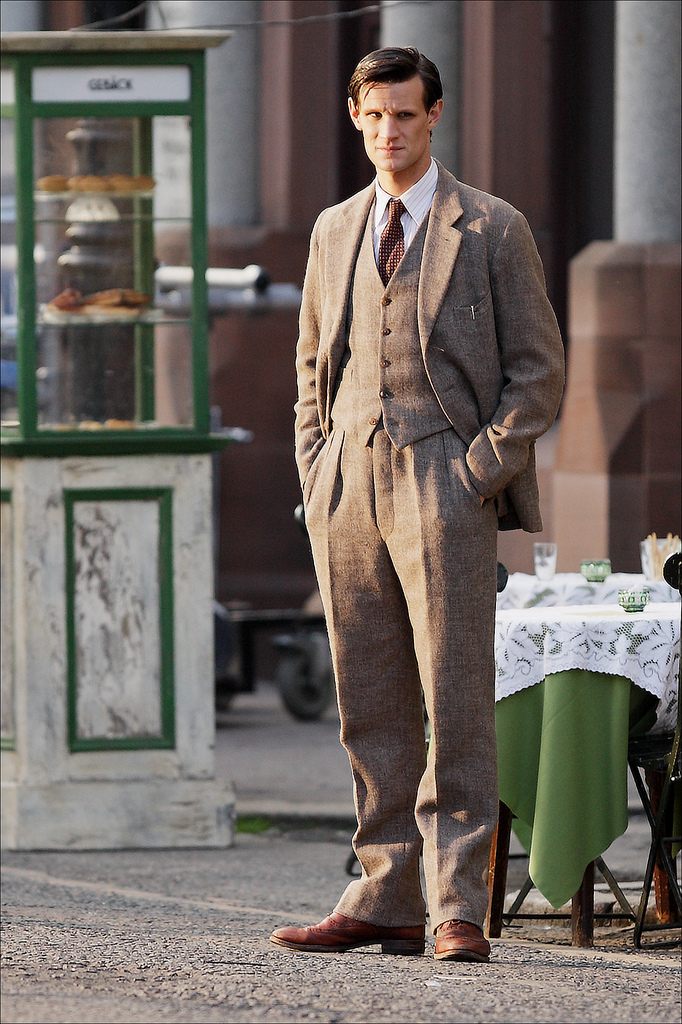
A suit is a coordinated set of clothing designed to be worn together. In its most familiar form it includes a jacket paired with matching trousers; when a third piece is added it is commonly called a three-piece suit and includes a waistcoat (U.S.: vest). A suit may be intended as lounge or business wear for everyday professional use, or cut and trimmed for formal occasions. Variations in cut, fabric and detailing distinguish casual suits from evening or ceremonial attire.
Image gallery
10 Images




Components and common accessories
Core components are straightforward, but accessories and choices change a suit's level of formality:
- Jacket: single- or double-breasted, with lapel styles that range from notch to peak.
- Trousers: matching pants designed to pair with the jacket; often finished without visible pockets or with a specific hem to suit shoe styles — see trousers (pants).
- Waistcoat: an optional third piece that increases formality and warmth; see waistcoat.
- Accessories: a tie or bow tie is typical for business or formal settings — tie — along with quality leather shoes and socks (socks).
History and development
The modern suit evolved from earlier tailored coats and frock coats worn by European men in the 18th and 19th centuries. Tailoring moved toward simpler, unornamented shapes suitable for urban life and professional settings. Over the 20th century the suit became a universal symbol of business attire in many countries and was adapted for women's professional wear with skirts or tailored trousers as alternatives to the traditional male cut — practical when worn with a dress skirt or matching slacks.
When and how suits are worn
Suits are chosen according to dress codes and the occasion. Business suits are standard in professions such as finance, law and politics; custom or workplace guidelines may require specific colors or styles — see a typical professional context. More formal codes, such as black tie or morning dress, specify particular suit types and accessories. Suits can also be part of a broader dress code for events, ceremonies and interviews.
Tailoring, fit and care
Good fit is a defining element of a suit. Bespoke and made-to-measure garments are tailored to the individual's proportions, while off-the-peg suits can be altered by a professional tailor. Fabric choice, construction and lining affect drape and durability; common fabrics include worsted wool, cotton, linen and blends. Proper care—rotation, professional pressing and occasional dry cleaning—preserves shape and appearance.
Distinctions and notable facts
The word "suit" also names other specialized garments, but these are distinct in purpose and construction: a space suit encloses and protects an astronaut in hostile environments, and a diving suit protects a diver in or under water. Such technical suits share only the name and the idea of coordinated protective clothing, not the tailoring traditions of social or business attire. Modern suits continue to adapt to cultural change, fabrics and workplace norms while remaining a staple of formal and professional wardrobes.
Questions and answers
Q: What is a suit?
A: A suit is a set of clothing consisting of a jacket and trousers (pants) that are intended to be worn together.
Q: What are the two types of suits mentioned in the text?
A: The two types of suits mentioned in the text are semi-formal "lounge suits" or "business suits."
Q: What article of clothing is usually worn with single-breasted suits in classical gentlemen's tailoring?
A: In classical gentlemen's tailoring, a waistcoat (U.S: vest) is usually worn with single-breasted suits.
Q: What other items are essential to wear with a suit?
A: Quality socks, leather lace-up shoes, and a tie are essential to wear with a suit.
Q: What is considered casual wear when it comes to a suit?
A: If a tie is not worn, that is considered casual wear when it comes to a suit.
Q: What professions commonly wear suits?
A: Men in professional jobs such as business, law, and politics commonly wear suits.
Q: What are some special suits mentioned in the text?
A: Some special suits mentioned in the text include space suits and diving suits.
Related articles
Author
AlegsaOnline.com Suit (clothing): tailored outfits for formal and business wear Leandro Alegsa
URL: https://en.alegsaonline.com/art/94679