
Ankle (the joint between foot and leg)
The ankle links the foot to the leg. It comprises bones, ligaments and tendons that permit dorsiflexion and plantarflexion, support body weight, and are subject to sprains, fractures and arthritis.
The ankle is the complex region and collection of joints that connects the lower limb to the foot. In human anatomy the ankle allows transfer of body weight and enables the movements required for standing and walking. For a basic reference see anatomy and the concept of a joint. It is the primary link between the foot and the leg.
Image gallery
10 Images


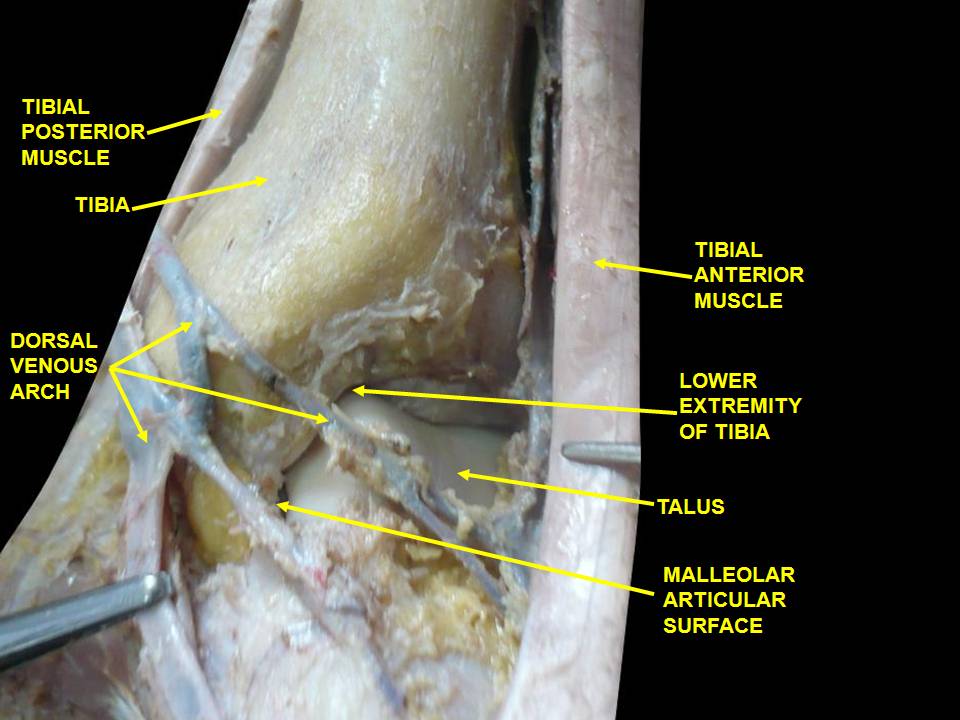
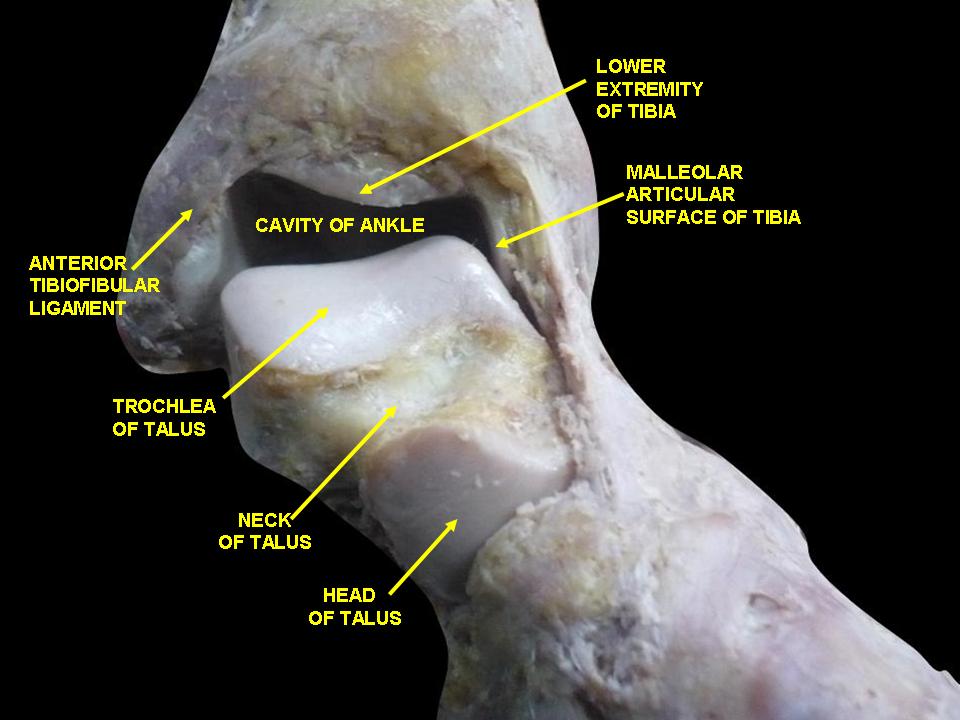
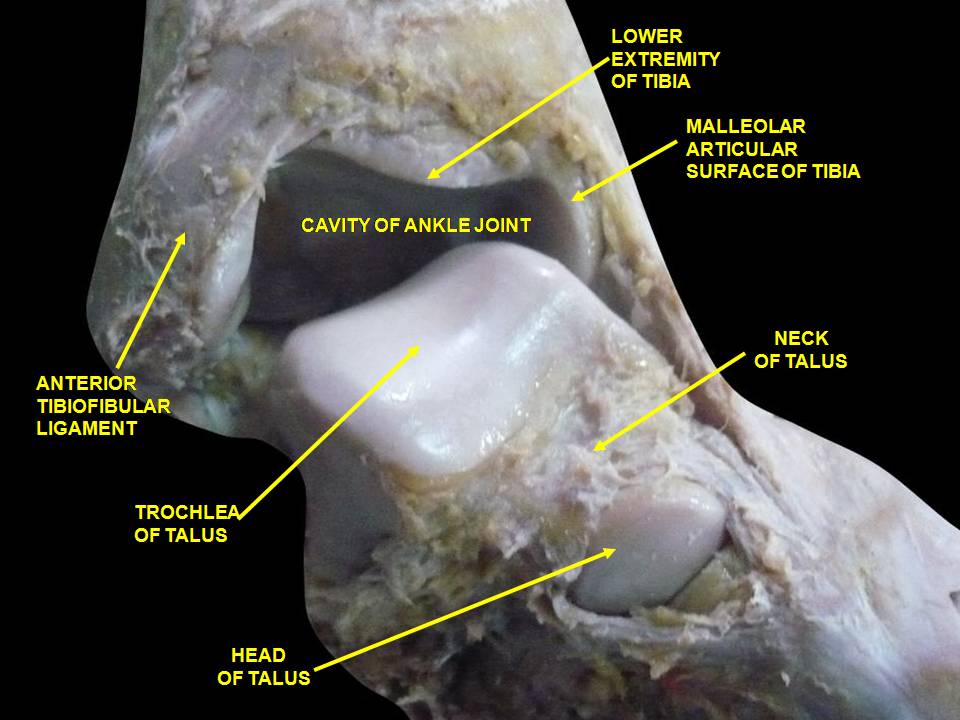
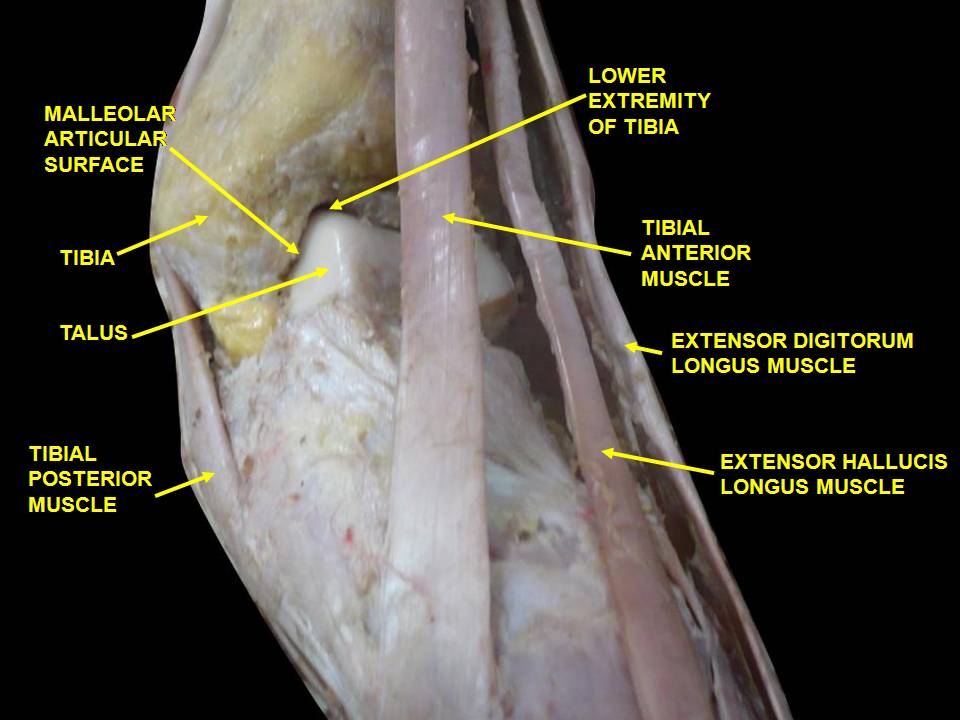

Structure and components
The ankle region includes several related parts rather than a single simple hinge. Major bones and joints are:
- Bones: tibia and fibula of the leg and the talus of the foot.
- Talocrural joint: formed by tibia, fibula and talus; chiefly responsible for dorsiflexion and plantarflexion.
- Subtalar joint: beneath the talus; allows inversion and eversion of the foot.
- Ligaments and tendons: medial (deltoid) and lateral ligament complexes, Achilles tendon, and supporting soft tissues.
Function and movement
The ankle permits several motions: dorsiflexion (raising the toes), plantarflexion (pointing the toes), inversion and eversion (tilting the sole inward or outward). It provides a stable platform for propulsion during gait while accommodating uneven ground. Muscles in the leg generate movement; ligaments and capsule provide stability.
Clinical importance and common problems
Because it supports body weight and endures repetitive stress, the ankle is vulnerable to injury and disease. Common issues include:
- Sprains — overstretching or tearing of ligaments, often from twisting injuries.
- Fractures — breaks to the malleoli or talus, sometimes requiring immobilization or surgery.
- Arthritis and chronic instability — long-term degeneration or laxity that impairs function.
Assessment uses physical exam, imaging and functional tests. Treatment ranges from rest, bracing and physiotherapy to surgical repair for severe cases.
From a developmental and evolutionary perspective, the ankle evolved to balance mobility and stability for bipedal locomotion. For more detailed technical descriptions and clinical guidelines consult additional resources or standard texts on anatomy. Further reading on joint mechanics is available at joint references and foot-and-leg sources such as foot or leg overviews.
Author
AlegsaOnline.com Ankle (the joint between foot and leg) Leandro Alegsa
URL: https://en.alegsaonline.com/art/4323