
Gazelle: biology, habitat, and behavior
Gazelles are small to medium antelopes native to Africa and Asia, noted for speed, leaping displays, grazing behavior, and varied social structures. This article covers their traits, range, and conservation.
Gazelles are a group of small to medium-sized antelope-type ruminants known for graceful bodies and remarkable agility. The name is applied to species placed in several closely related genera, including Gazella, Eudorcas and Nanger. They occur chiefly on open landscapes and are an iconic part of the grasslands and savannas of Africa, with additional populations in parts of southwest Asia. The word "gazelle" comes from the Arabic ghazāl.
Image gallery
10 Images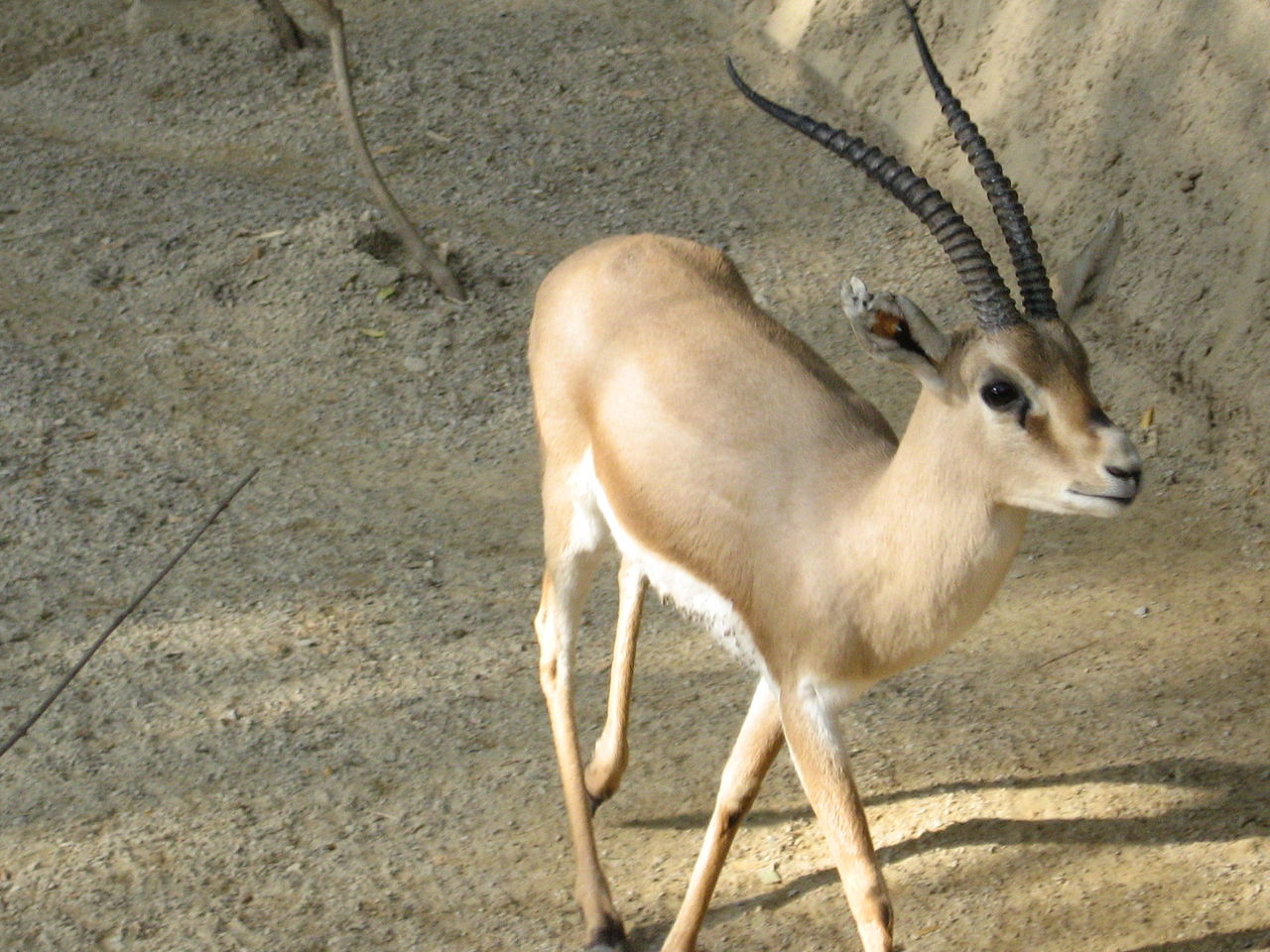



Physical characteristics and adaptations
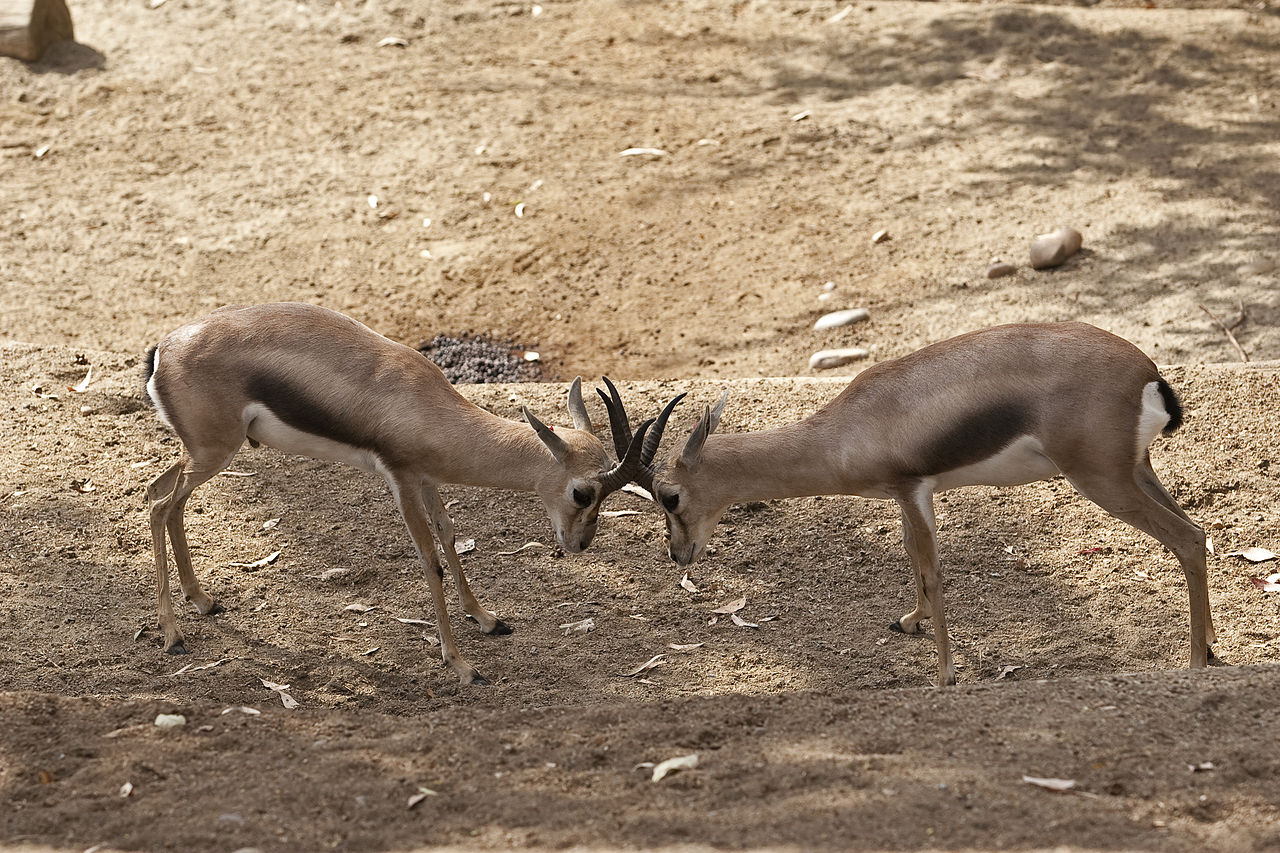
Gazelles are adapted for speed and endurance: long, slender legs; a lightweight frame; and efficient respiratory and cardiovascular systems. They can reach and sustain high running speeds when escaping danger. Many species display a characteristic leaping behavior—commonly called pronking or stotting—in which they spring into the air with an arched back and stiff legs. Their coats tend to be tan or ochre with white underparts and darker markings that can help with camouflage and species recognition.
Taxonomy and distribution
Taxonomically, the animals grouped as gazelles fall in several genera of the Bovidae family. Different species are adapted to particular habitats: some prefer open grassland, others occupy semi-desert, scrub, or lightly wooded plains. While most species are characteristic of sub-Saharan and North African ecosystems, a number of populations live across the Arabian Peninsula and parts of the Middle East, where environmental pressures differ from African savannas.
Behavior, diet and predators
Gazelles are herbivores, feeding on grasses, leaves and shrubs. Their feeding strategy varies with species and season; some are primarily grazers, others browse more. Social organization ranges from solitary or small family groups to large herds; certain species undertake seasonal or local migrations to follow rainfall and food. Predators include big carnivores such as lions and cheetahs, and gazelles use speed, group vigilance and sudden leaps to evade capture.
- Key adaptations: long legs, lightweight body, keen eyesight, social herd living, pronking.
- Typical diet: grasses, herbs, shoots and leaves depending on species and habitat.
- Predators and threats: large carnivores, habitat change, human hunting and competition with livestock.
Conservation and human relationships
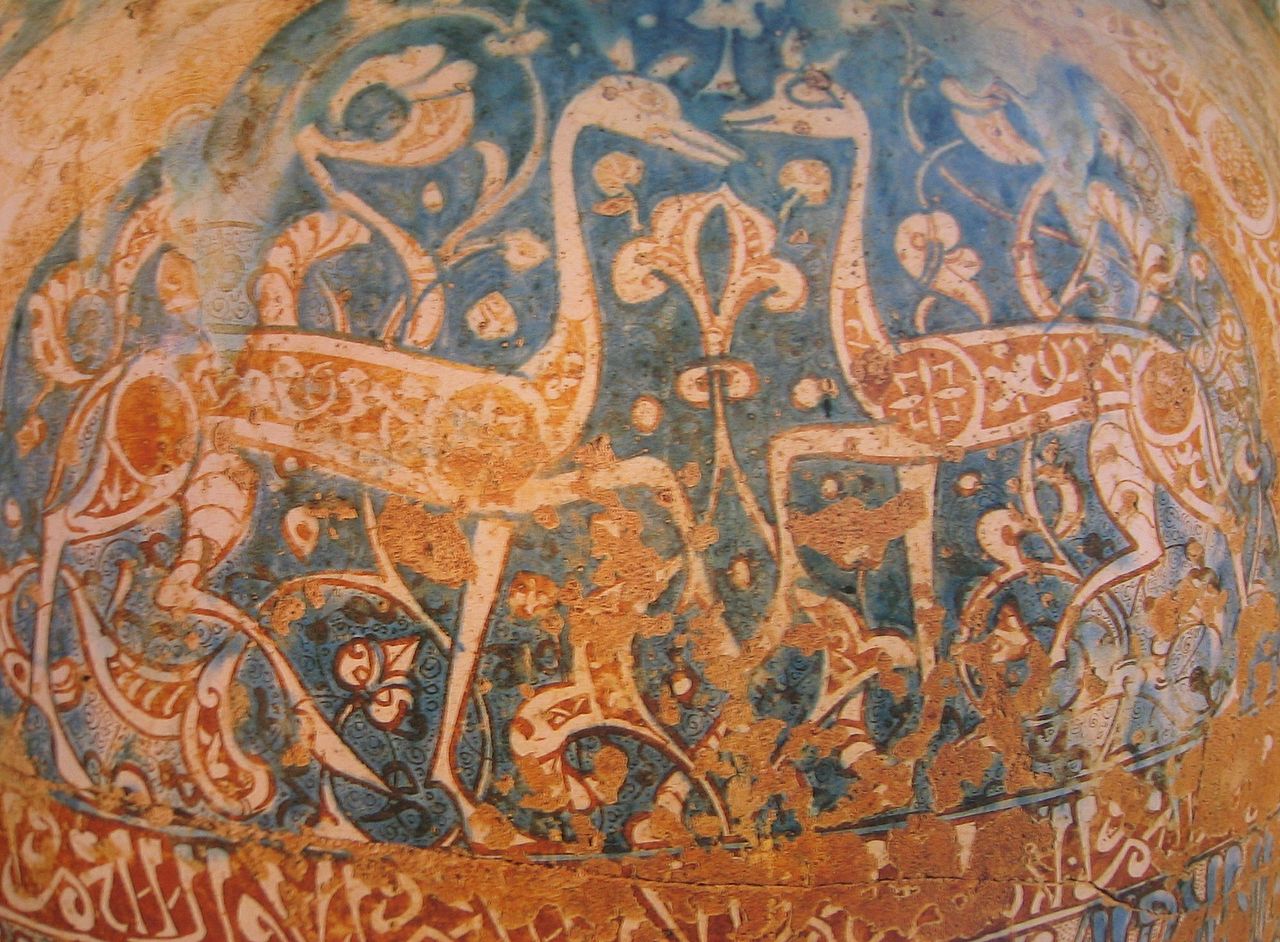
Population trends vary by species: some gazelles remain widespread and relatively common, while others have experienced sharp declines due to habitat loss, fencing of migration routes, hunting and agricultural expansion. Conservation measures include protected areas, anti-poaching efforts and habitat management. Gazelles also have cultural value in the regions where they live, appearing in local art, folklore and as a traditional source of meat. For more detailed species accounts and status assessments, consult specialized conservation resources and regional studies.
Representative species often mentioned in natural history include Thomson's gazelle, the Grant's gazelle, the dama (or addra) gazelle and the mountain gazelle; each illustrates different ecological strategies and conservation challenges faced by the group.
Further reading and species lists are available through taxonomic databases and wildlife organizations; for general background see resources linked in this article. Antelope overview | Gazelle genera | Savanna ecosystems | African fauna | Southwest Asian mammals | Lion predation | Cheetah hunting | Etymology
Questions and answers
Q: What are gazelles?
A: Gazelles are a kind of antelope that are mostly found in the grasslands and savannas of Africa, but they are also found in southwest Asia.
Q: In which genera are gazelles classified?
A: Gazelles are classified in the genera Gazella, Eudorcas, and Nanger.
Q: What are some of the characteristics of gazelles?
A: Gazelles are known for their speed and are capable of reaching high speeds for long periods of time. They usually live in herds, eat plants and leaves, and show a special way of running slowly and jumping high when they are chased by lions or cheetahs.
Q: What is the origin of the name gazelle?
A: The name gazelle comes from the Arabic ghazăl, which means gazelle in English.
Q: Where are gazelles mostly found?
A: Gazelles are mostly found in the grasslands and savannas of Africa, but they are also found in southwest Asia.
Q: What do gazelles eat?
A: Gazelles eat plants and leaves.
Q: How do gazelles escape from predators such as lions or cheetahs?
A: Gazelles show a special way of running slowly and jumping high when they are chased by lions or cheetahs.
Related articles
Author
AlegsaOnline.com Gazelle: biology, habitat, and behavior Leandro Alegsa
URL: https://en.alegsaonline.com/art/37799
Sources
- commons.wikimedia.org : Gazella
- commons.wikimedia.org : Eudorcas
- commons.wikimedia.org : Nanger
- books.google.com : French inside out: the worldwide development of the French language in the past, the present and the future