
Islamabad — Capital city of Pakistan
Planned federal capital on the Pothohar Plateau, Islamabad is known for the Margalla Hills, government institutions, green public spaces, and a humid subtropical climate.
Overview
Islamabad is the purpose-built federal capital of Pakistan, sited on the northern edge of the country’s populous plains. Its development was intended to provide a modern administrative center, concentrating government ministries, diplomatic missions and public institutions within the Islamabad Capital Territory. The city is organized into sectors and zones that separate residential areas, commercial districts and government precincts, and it is widely regarded for its planned layout and extensive greenery.
Image gallery
10 Images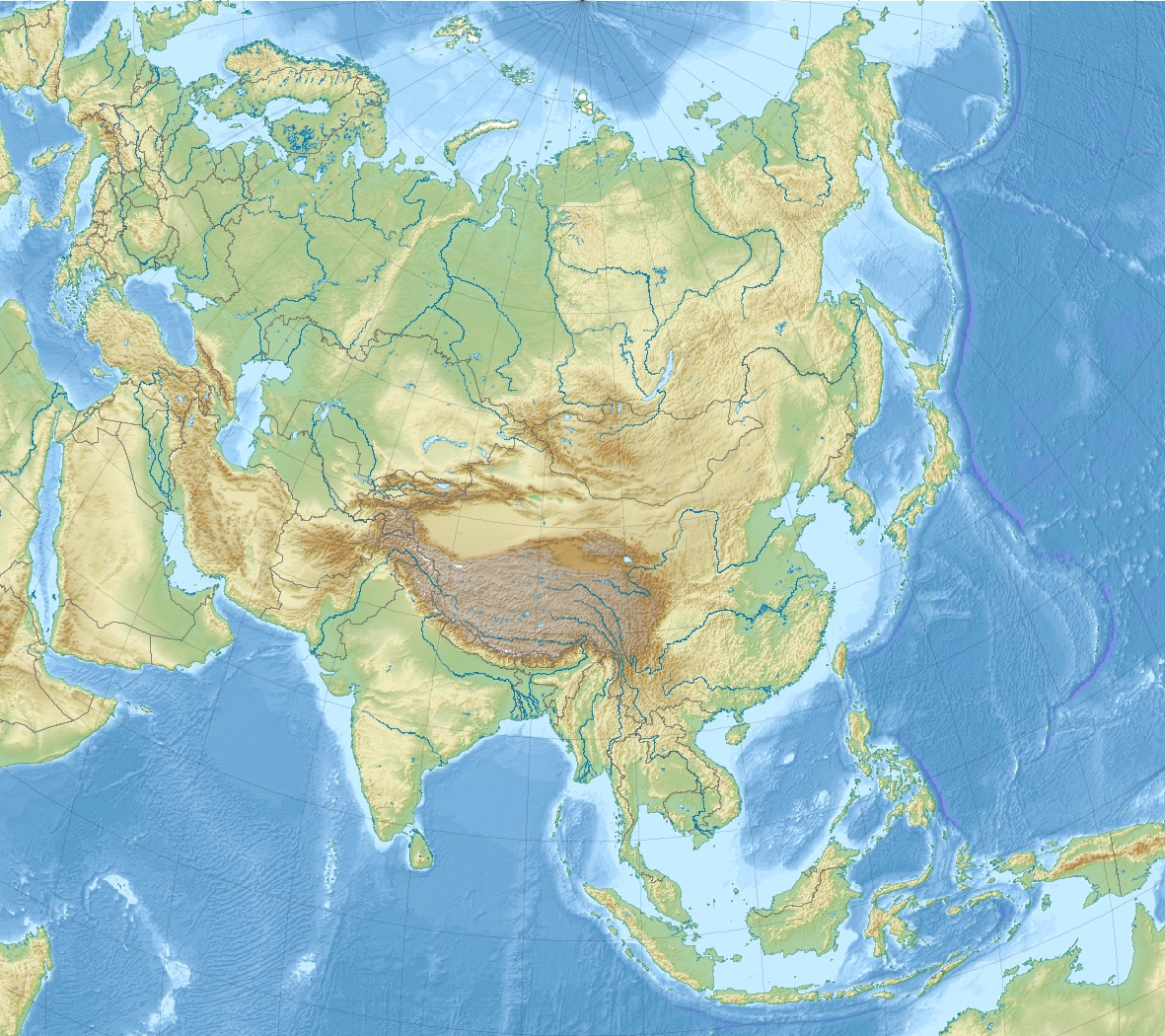




Geography and natural setting
Islamabad occupies part of the Pothohar Plateau, a region of rolling uplands and river valleys. To the north and west the city is backed by the Margalla Hills, a low mountain range that forms a scenic backdrop and provides hiking trails, viewpoints and nature reserves. Historically the area sits at a crossroads between the Punjab region and Khyber Pakhtunkhwa, with passes and ridgelines such as the Margalla Pass linking different terrains. A separate settlement named Islamabad Town exists in Jammu and Kashmir and should not be confused with the capital city.
History and city planning
Chosen and developed in the mid-20th century, Islamabad replaced the earlier capital as part of a program to distribute administrative functions more evenly across the country and to create a modern seat of government. Planners laid out a grid of sectors and wide avenues, reserving space for parks, civic buildings and diplomatic enclaves. The deliberate planning distinguishes Islamabad from older, organically grown South Asian cities and shaped its reputation as a quiet, orderly capital.
Landmarks and civic institutions
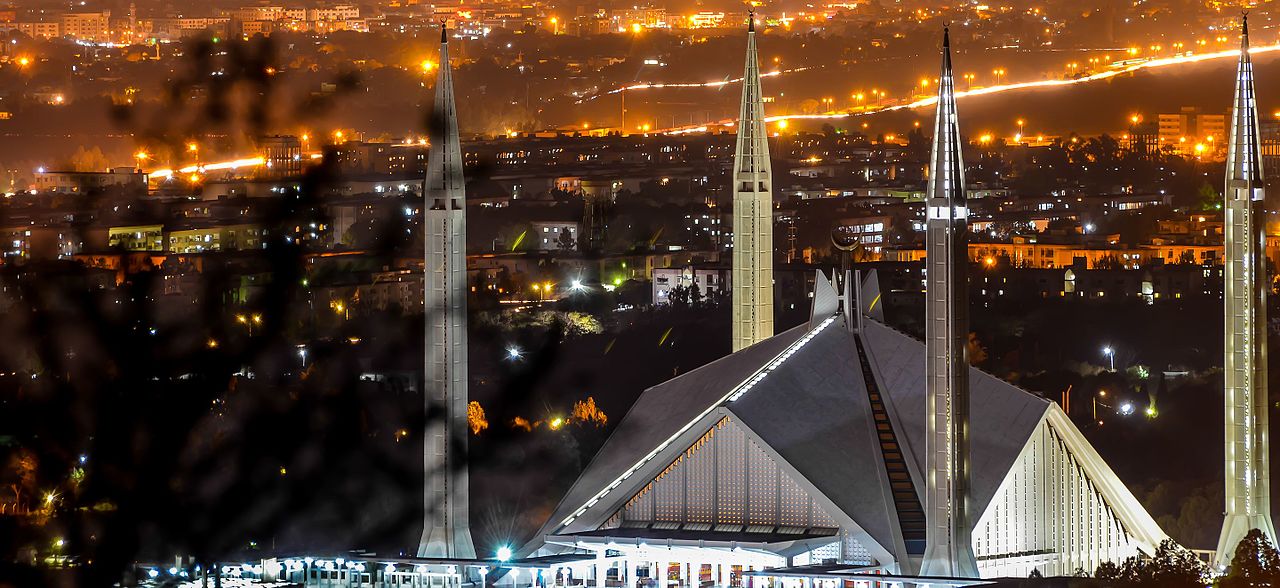
Key landmarks include purpose-built parliamentary and judicial complexes, national museums, universities and the Faisal Mosque, a major national mosque noted for its large prayer hall and modern design. The city hosts foreign embassies and government ministries and serves as the focal point for national ceremonies. Visitors and residents alike make use of parks, botanical gardens and the outdoor recreation opportunities in the Margalla Hills.
Climate, environment and living standards
Islamabad experiences a humid subtropical climate, classified under the Köppen climate classification, with hot summers, monsoon rains and cool winters. The city is known for relatively lush vegetation compared with many regional urban centers, and local authorities protect green belts and hill slopes to preserve biodiversity and reduce urban heat. As the seat of government and a hub for services, Islamabad typically records higher housing and living costs than many other Pakistani cities.
Transport, economy and role
Transport connections link Islamabad with neighboring urban areas by road and air, and internal public transit serves commuters between sectors and suburbs. The local economy centres on public administration, education, research, professional services and commerce related to national institutions. Islamabad’s combination of planned infrastructure, natural setting and administrative importance makes it a distinctive capital in South Asia.
Related articles
Author
AlegsaOnline.com Islamabad — Capital city of Pakistan Leandro Alegsa
URL: https://en.alegsaonline.com/art/48394
Sources
- cda.gov.pk : "CDA Facts & Figures"
- pbs.gov.pk : "PROVISIONAL SUMMARY RESULTS OF 6TH POPULATION AND HOUSING CENSUS-2017"
- deliverit.pk : "Retail Prices of Vegetables, Fruits and Poultry in Islamabad from 2015-2020"