
Sneeze: reflex, causes, health implications and cultural notes
A sneeze is an involuntary reflex that expels air, mucus and particles from the nose and mouth; this article explains the mechanism, common triggers, risks, etiquette and cultural aspects.
Overview
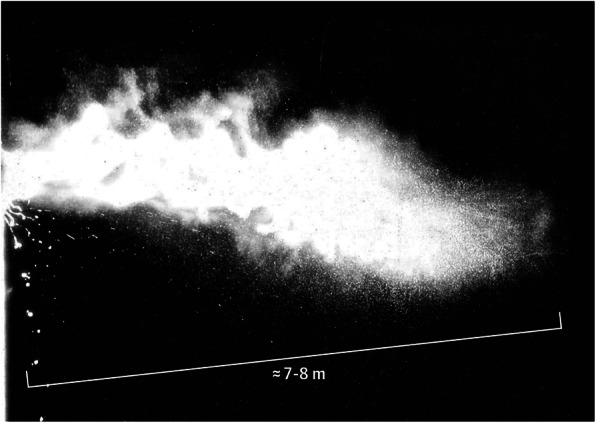
A sneeze is a rapid, involuntary expulsion of air from the lungs through the nose and mouth. It is a protective reflex that clears the nasal passages of irritants — dust, pollen, strong odors, or mucus — and helps remove foreign particles before they reach the lungs. The event typically begins with a sharp inhalation, followed by a brief closure or narrowing of the throat and a forceful exhalation that can propel droplets and particles a significant distance.
Image gallery
4 Images
How sneezing works
The reflex involves sensory receptors in the nasal mucosa that detect mechanical or chemical stimulation. These receptors send signals via branches of the trigeminal nerve to a region of the brainstem often called the "sneeze center," which coordinates the sequence of muscle contractions. Chest and abdominal muscles contract to increase internal pressure; the soft palate and pharynx adjust to direct the airflow. During a sneeze the eyes usually close briefly — an automatic response. Sneezing rarely occurs during deep sleep because the brainstem pathways involved are suppressed.
Triggers and common characteristics
Typical triggers include airborne particles (dust, pollen), cold air, bright light (the photic sneeze reflex affects some people), viral or bacterial irritation, and nasal inflammation. The expelled air contains droplets of saliva and nasal mucus that may carry pathogens when an infection is present, which is why cover and distancing reduce transmission. A frequently cited estimate places sneeze air velocities at high speeds (commonly referenced around 150 km/h), though measured values can vary widely.
Health, hygiene and safety
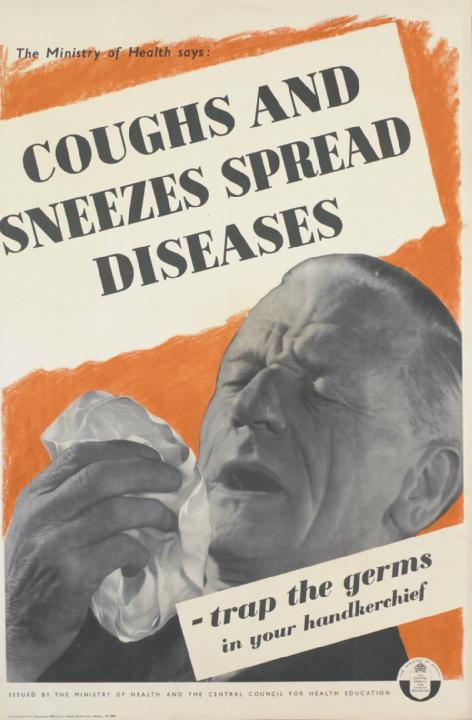
Because sneezes release microscopic droplets, they are an important factor in the spread of respiratory infections. Best practices include covering the mouth and nose with a tissue or the crook of the elbow, disposing of tissues promptly, and washing hands. Intentionally stifling a sneeze by pinching the nose or holding the mouth closed is discouraged: it can cause discomfort and, in rare cases, lead to complications such as ear or sinus injury. The notion that sneezing stops the heart or causes major organ disruption is a myth.
Historical and cultural notes
Across cultures people have developed responses and expressions tied to sneezing. In English the interjection is commonly written as "achoo," while other languages use different onomatopoeic forms. Saying "Bless you" or equivalents after a sneeze is a widespread custom with several folk explanations — some link it to medieval or early modern beliefs about disease, fortune or the soul. Exact origins of the phrase vary by tradition and are not definitively settled.
Related reflexes and occurrences in animals
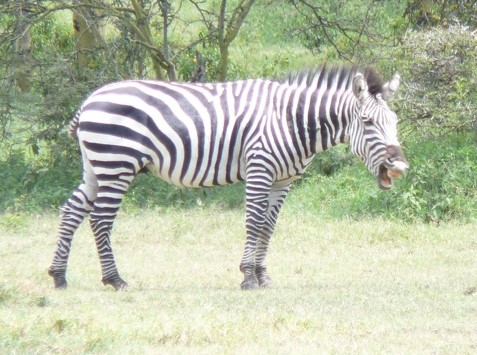
Sneezing is one of several involuntary respiratory actions that include coughing, yawning, hiccuping and laughing. Many mammals and some birds and reptiles sneeze as well; for example, cats, dogs and some iguanas exhibit similar expulsive reflexes to protect their airways. In medical contexts a prolonged or unusually frequent sneezing pattern may prompt evaluation for allergies, infection, or structural nasal issues.
Further reading and related topics
- Air flow and respiratory mechanics
- Nasal physiology and mucus function
- Mucus composition and role in the respiratory tract
- Dust, allergens and particulate matter
- Nasal mucosa and lining membranes
- Reflex pathways and brainstem control
- Eye closure reflex during sneezing
- Saliva droplets and transmission risk
- Viruses, bacteria and respiratory infections
- Cultural expressions in the United States
- Origins of words borrowed from other languages
- Responses meaning "good health" in different languages
- Historical anecdotes and papal blessings
- Epidemics and public health responses
- Disease outbreaks in urban centers
- Common myths about internal organs and reflexes
- Physiology of organ function during reflexes
- Laughter as a respiratory reflex
- Coughing: mechanism and differences from sneezing
- Hiccups and other involuntary diaphragmatic actions
- Yawning and related reflexes
Related articles
Author
AlegsaOnline.com Sneeze: reflex, causes, health implications and cultural notes Leandro Alegsa
URL: https://en.alegsaonline.com/art/91312
Sources
- books.google.com.au : Sneeze!
- isciencetimes.com : "Does Your Heart Stop When You Sneeze"