
Bubonic plague
A form of plague caused by the bacterium Yersinia pestis that infects the lymphatic system; historically linked to major pandemics and still a treatable but serious disease today.
The bubonic plague is the classical clinical form of an infection caused by the bacterium Yersinia pestis. It primarily targets the lymphatic system and is characterized by swollen, painful lymph nodes called buboes. The disease has long been recognized for its acute onset and capacity to cause severe illness when not treated promptly.
Image gallery
9 Images



Pathology and key characteristics
After the bacterium breaches the skin or mucous membranes, it multiplies in local tissues and migrates through the lymphatic vessels to lymph nodes, where it produces inflammation and enlargement of nodes. These lymphatic pathways are described in anatomical and clinical sources as the lymphatic system. The localized swollen nodes (buboes) are a defining sign of the bubonic form, although the infection can progress to bloodstream infection (septicemic plague) or to the lungs (pneumonic plague) in the same patient.
Transmission and reservoirs
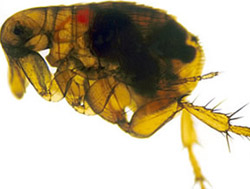
Bubonic plague is most often transmitted to people by the bite of infected fleas, which acquire the bacterium from wild or domestic rodents. Historic and modern outbreaks have been associated with fleas carried on rats and other rodents; fleas act as the immediate vector that passes the bacterium to humans (fleas). Because the disease normally circulates among animals and is transmitted to humans from those animal reservoirs, it is considered a zoonosis.
History and impact
One of the most infamous episodes associated with bubonic plague is the pandemic known as the Black Death, which struck Europe and other regions in the 14th century and is commonly referred to as the Black Death. That pandemic occurred during the Middle Ages and led to catastrophic mortality and major social and economic changes. Plague has recurred in later centuries and remains a disease of historical and epidemiological importance.
Signs, clinical course, and severity
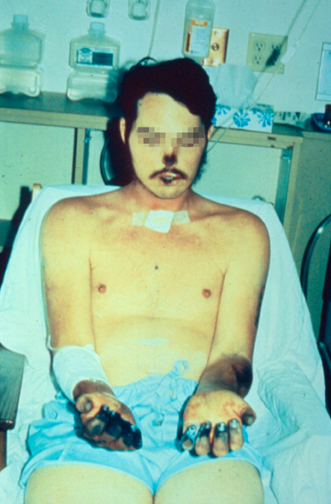
Typical early features of bubonic plague include sudden fever and chills, severe malaise, and painful swollen lymph nodes. Clinical summaries of symptoms often list respiratory signs only when the infection has extended to the lungs. Cough with blood-tinged sputum is characteristic of pneumonic involvement (coughing), while fever is a common systemic finding (fever). Historical descriptions sometimes mention skin discoloration or darkened patches on severely ill patients (black spots), but the classic diagnostic clue for bubonic plague remains the buboe.
Treatment, prevention, and modern relevance
Today bubonic plague is diagnosable by laboratory tests and is treatable with appropriate antibiotics; early therapy greatly reduces the risk of death. Public health measures focus on rodent and flea control, reducing human–rodent contact, prompt diagnosis, and isolation when pneumonic plague is suspected. Although large pandemics are no longer common, sporadic cases and localized outbreaks continue to occur in parts of the world where the bacterium persists in wild rodent populations.
Notable distinctions
- Forms: bubonic (lymph nodes), septicemic (bloodstream), pneumonic (lungs).
- Reservoirs: wild rodents and other mammals; human cases typically follow spillover events.
- Public health: modern antibiotics and surveillance have made widespread catastrophe unlikely, but vigilance is required in endemic regions.
For additional reading on microbiology, transmission, clinical management, and historical accounts, refer to specialist literature and public health resources linked above.
Questions and answers
Q: What is bubonic plague?
A: Bubonic plague is a disease caused by the bacterium Yersinia pestis and is the best-known form of the plague.
Q: How does the bubonic plague enter the body?
A: The bubonic plague enters the body through the skin.
Q: How does the bubonic plague spread?
A: The bubonic plague is spread by fleas on rats.
Q: What is zoonosis?
A: Zoonosis is a method of spreading disease where the disease can be transmitted from animals to people.
Q: What are the symptoms of bubonic plague?
A: Symptoms of bubonic plague include coughing, fever, and black spots on the skin.
Q: How lethal is bubonic plague?
A: If left untreated, bubonic plague can kill about half of its victims in three to seven days.
Q: What historical event was associated with bubonic plague?
A: The Black Death was caused by bubonic plague and killed tens of millions of people in Europe during the Middle Ages.
Related articles
Author
AlegsaOnline.com Bubonic plague Leandro Alegsa
URL: https://en.alegsaonline.com/art/14985
Sources
- news.nationalgeographic.com : "Bubonic Plague Traced to Ancient Egypt"
- justiniansflea.com : Justinian's Flea: Plague, Empire, and the Birth of Europe · web.archive.org
- books.google.com : The Last Plague in the Baltic Region. 1709–1713
- books.google.com : Encyclopedia of the Black Death
- who.int : "Plague"
- doi.org : 10.1016/j.micinf.2005.06.006
- pubmed.ncbi.nlm.nih.gov : 16182593
- ui.adsabs.harvard.edu : 2002Sci...296..733H
- doi.org : 10.1126/science.1069972
- pubmed.ncbi.nlm.nih.gov : 11976454