
Reflex (automatic physiological response)
A reflex is a rapid, involuntary response to a stimulus mediated by a reflex arc. This article explains mechanisms, types, development, clinical relevance and distinctions from fixed action patterns.
Overview
A reflex is an involuntary, usually rapid movement or physiological change triggered directly by a stimulus. Reflexes conserve time and neural resources by routing afferent signals through a dedicated neural pathway called a reflex arc rather than through slower, conscious processing. Simple reflexes protect the body, help maintain posture and balance, and regulate internal functions such as blood pressure or digestion.
Image gallery
3 Images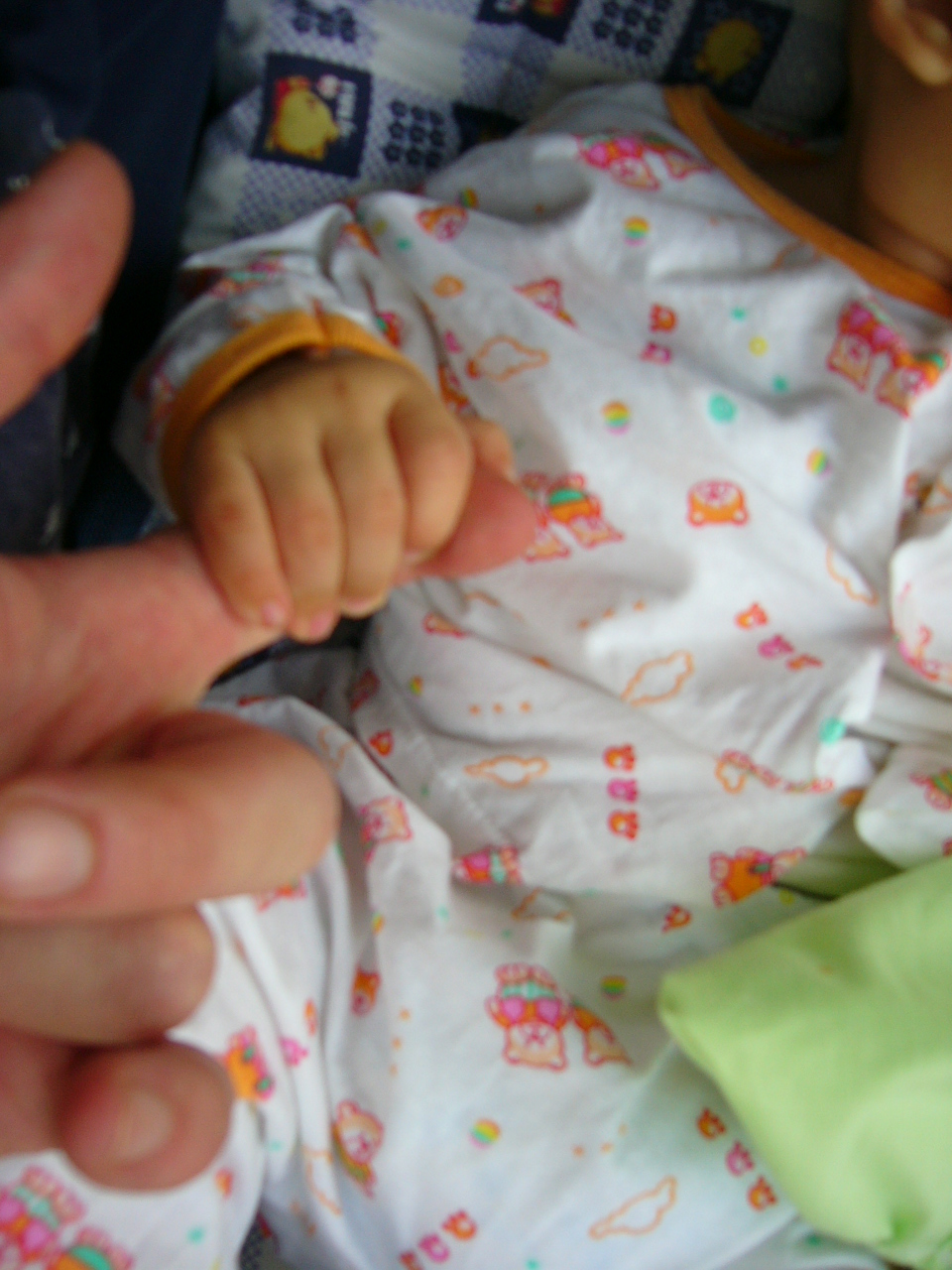


Mechanism and components
The classical reflex arc comprises a sensory receptor that detects a specific stimulus, a sensory (afferent) neuron that conducts the signal toward the central nervous system (CNS), central processing neurons (which may be a single synapse or a chain of interneurons), and a motor (efferent) neuron that activates an effector organ such as a muscle or gland. In vertebrates many reflexes are processed in the spinal cord, allowing rapid responses without initial involvement of the brain; cranial reflexes are mediated by brainstem nuclei. Monosynaptic reflexes, exemplified by the patellar (knee‑jerk) reflex, involve a single synapse between sensory and motor neurons and are among the fastest. Polysynaptic reflexes include one or more interneurons and permit more flexible or complex responses.
Types and common examples
Reflexes are commonly grouped by function or anatomy:
- Somatic stretch reflexes: the patellar reflex and other myotatic reflexes help maintain muscle tone and posture.
- Withdrawal and crossed‑extensor reflexes: rapid withdrawal from painful stimuli, often accompanied by extension of the opposite limb for support.
- Cranial reflexes: blink (corneal) reflex and pupillary light reflex, mediated by brainstem circuits.
- Autonomic (visceral) reflexes: reflex control of heart rate, blood pressure, pupil size and gastrointestinal motility via sympathetic and parasympathetic pathways.
- Primitive neonatal reflexes: observable in infants (for example the grasp and Moro reflexes) and normally diminish with development.
Development and modulation
Reflexes change with development, learning and disease. Many neonatal reflexes are present at birth and are used in newborn screening; some fade as the nervous system matures. Central modulation from higher brain centers can facilitate, inhibit or adapt reflex responses. Habituation (reduced response after repeated benign stimulation) and sensitization (increased responsiveness after noxious input) are simple forms of plasticity seen in reflex pathways.
Clinical significance
Clinicians use reflex testing to assess the integrity of specific neural pathways and localize neurological lesions. Findings such as hyperreflexia may indicate upper motor neuron dysfunction, whereas diminished or absent reflexes suggest peripheral nerve damage or lower motor neuron pathology. Reflex testing is also important in surgical monitoring, newborn assessment and physiotherapy.
Distinctions and comparative perspectives
Reflexes are typically simple, short‑latency actions tied closely to stimuli. They differ from fixed action patterns, which are longer, species‑typical sequences of behavior released by a releaser stimulus and studied in ethology. Invertebrates often rely on local segmental circuits for rapid responses, while vertebrates use spinal or cranial pathways; nevertheless, the basic logic of receptor → processing → effector is conserved across animals.
History and scientific study
The reflex concept has been central to neurophysiology and behavior study for centuries. Experimental work clarified neural pathways, synaptic transmission and integrative functions; reflex circuits remain valuable model systems for research because of their relative anatomical and functional simplicity.
Further reading and resources
Introductory material and reviews: basic overview, historical perspectives. Clinical and teaching resources: clinical guides, educational materials. Comparative and ethology discussions: ethology overview, comparative sources. Laboratory and research primers: lab protocols, neurophysiology primers, clinical neurology pages. For fixed action patterns and releasers see: ethology references.
Related articles
Author
AlegsaOnline.com Reflex (automatic physiological response) Leandro Alegsa
URL: https://en.alegsaonline.com/art/81803
Sources
- bbc.co.uk : bbc.co.uk/news/world-us-canada-44392861