
Pope Gregory VII: reformer of the medieval papacy
Pope Gregory VII (c.1020–1085) led the Gregorian Reform, challenged secular investiture, asserted papal authority and famously confronted Emperor Henry IV in the Investiture Controversy.
Overview
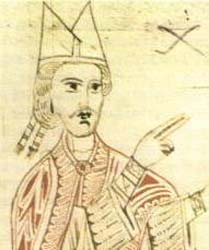
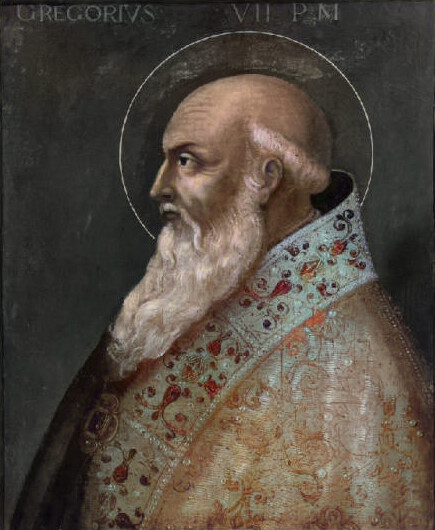
Pope Gregory VII (born Hildebrand, c.1020–1085) was a central figure in 11th‑century Church reform and the 158th pope. He rose from a Roman clerical background to the papacy in 1073 and used his office to strengthen ecclesiastical discipline, assert papal prerogatives, and reshape relations between church and secular rulers. His Italian name is often rendered as Ildebrando di Soana (Italian name), and his career was closely tied to the reforming currents within the Roman Catholic Church.
Image gallery
7 Images



Early career and election
Before his election Gregory was a well‑known papal administrator and adviser whose experience in the curia informed his later policies. He was associated with monastic reform movements and held influential duties under earlier pontiffs. Elected pope on April 22, 1073, he quickly set out to translate reforming ideals into concrete measures of discipline and governance.
Major reforms and policies
Gregory VII promoted a program now called the Gregorian Reform. Key emphases included strict enforcement of clerical celibacy, vigorous opposition to simony (the buying or selling of church office), and efforts to free the Church from lay control. He articulated papal claims in a set of principles that appear in the historical document often summarized as the Dictatus Papae, which asserted the pope's authority over bishops and, in some cases, secular rulers.
Investiture Controversy
Gregory's insistence that bishops be appointed by ecclesiastical rather than secular hands brought him into direct conflict with Emperor Henry IV of the Holy Roman Empire. The dispute culminated in mutual excommunications and the famous episode known as the Walk to Canossa (1077), when Henry sought absolution. The confrontation reshaped medieval church–state relations and led to years of political and military struggle, including the installation of rival claimants to the papal throne.
Exile, death, and legacy
After prolonged conflict with imperial forces and the appointment of an antipope, Gregory was driven from Rome and spent his last years living under the protection of sympathetic rulers in southern Italy. He died in 1085 in exile. His papacy left a lasting imprint: it centralized papal authority, reinforced clerical discipline across Europe, and set precedents for later canonical and political developments. He is venerated in Catholic tradition as a reforming saint.
Notable facts
- Gregory's reforms targeted simony and clerical marriage to strengthen spiritual integrity.
- His conflicts helped define boundaries between secular and ecclesiastical power in medieval Europe.
- The principles associated with his papacy continued to influence church law and papal self‑understanding for generations.
For introductions and primary materials on Gregory VII and the reform movement, see linked resources and collections of medieval documents (Church history overview, primary sources).
Questions and answers
Q: Who was Pope Gregory VII?
A: Pope Gregory VII was an Italian priest of the Roman Catholic Church who served as the 158th Pope from April 22, 1073 until he died in 1085.
Q: What was Pope Gregory VII's birth name?
A: Pope Gregory VII's birth name was Hildebrand, also known as Ildebrando di Soana in Italian.
Q: When was Pope Gregory VII born?
A: Pope Gregory VII was born in 1020.
Q: When did Pope Gregory VII die?
A: Pope Gregory VII died on May 25, 1085.
Q: How long did Pope Gregory VII serve as the Pope?
A: Pope Gregory VII served as the Pope for approximately 12 years, from April 22, 1073 until his death in 1085.
Q: Which number Pope was Pope Gregory VII?
A: Pope Gregory VII was the 158th Pope.
Q: What was Pope Gregory VII's role in the Roman Catholic Church?
A: Pope Gregory VII was one of the most prominent and influential Popes in history. He is remembered as a champion of papal authority and attempted to reform the Church's corrupt practices during his reign.
Author
AlegsaOnline.com Pope Gregory VII: reformer of the medieval papacy Leandro Alegsa
URL: https://en.alegsaonline.com/art/128877