
Spawn (biology)
Spawn are the eggs and reproductive output of many aquatic animals. This article explains spawning methods, development of young, ecological roles, and human relevance in fisheries and conservation.
Overview
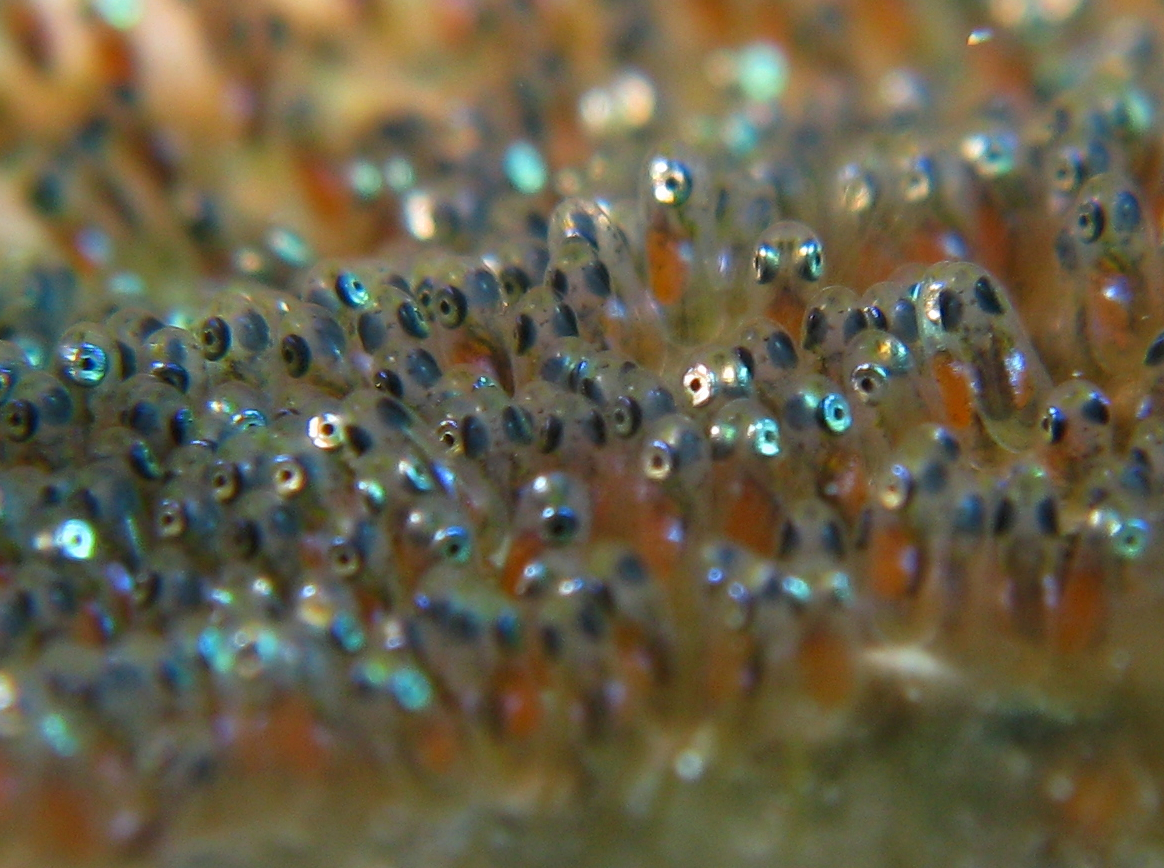
Spawn refers to the eggs produced by many aquatic organisms and, by extension, to the act of laying those eggs—called spawning. In general usage the term covers the eggs of fish, amphibians and many invertebrates. For a basic definition see eggs and examples of the animals that produce them at aquatic animals, including common groups such as fish and amphibians. Spawning is one of several reproductive strategies used when these organisms reproduce.
Image gallery
10 Images




Biology of spawning
Many aquatic species use external fertilization: females release eggs into the water and males release sperm (often called milt) to fertilize them externally. Some species, however, have internal fertilization or provide parental care. Spawn vary in size, number and composition; eggs may be adhesive, buoyant, or buried, depending on the species and habitat.
Common spawning strategies
- Broadcast spawning: large numbers of floating gametes are released into the water column (seen in many corals, fishes, and invertebrates).
- Nesting and substrate-spawning: eggs are laid in a nest, attached to rocks, plants or the substrate and often guarded by parents.
- Brooding: some species retain eggs on or in the body until hatching.
- Demersal vs. pelagic eggs: demersal eggs sink or attach near the bottom; pelagic eggs float in open water.
Life cycle and terminology
After spawning the eggs develop into embryos and then hatch into larval or juvenile forms. In fishes the newly hatched young are commonly called fry; in many amphibians the larval stage is the tadpole. Some species pass through planktonic larval stages that differ markedly from adults before metamorphosing into adults.
Environmental cues and timing
Spawning often follows seasonal or environmental cues such as temperature, day length, water flow, salinity or chemical signals. Many species time reproduction to maximize survival: for example, larvae may hatch when planktonic food is abundant or when predation risk is lower.
Human relevance and conservation
Understanding spawn is important for fisheries management, aquaculture and conservation. Protecting spawning grounds and migration routes maintains populations; hatcheries replicate spawning conditions to raise juveniles for stocking or food production. Because spawning success affects recruitment, disruptions from habitat loss, pollution or climate change can have large ecological and economic impacts.
Notable distinctions
Terminology and practice vary: "spawn" can mean the eggs themselves, the mass of eggs, or the event of laying eggs. Some eggs, like fish roe, are harvested as food; others require specialized habitats to develop. The diversity of spawning strategies illustrates how aquatic life has adapted reproduction to wide-ranging environments.
For introductory resources and further reading visit: eggs overview, aquatic animals, fish reproduction, amphibian life cycles, reproductive strategies, and tadpole development.
Related articles
Author
AlegsaOnline.com Spawn (biology) Leandro Alegsa
URL: https://en.alegsaonline.com/art/92523