
Simple living: principles, history, and practical approaches
Simple living is a choice to reduce possessions and distractions, focusing on needs, health, community, and sustainability. This article explains its features, history, benefits, and ways to begin.
Overview
Simple living describes a voluntary approach to daily life that emphasizes reducing material possessions, avoiding unnecessary consumption, and concentrating on what people consider genuinely important. Often called voluntary simplicity or intentional living, it overlaps with movements such as minimalism but is broader in social and ethical aims. For an introductory guide see more on simple living or read general resources about this lifestyle.
Image gallery
9 Images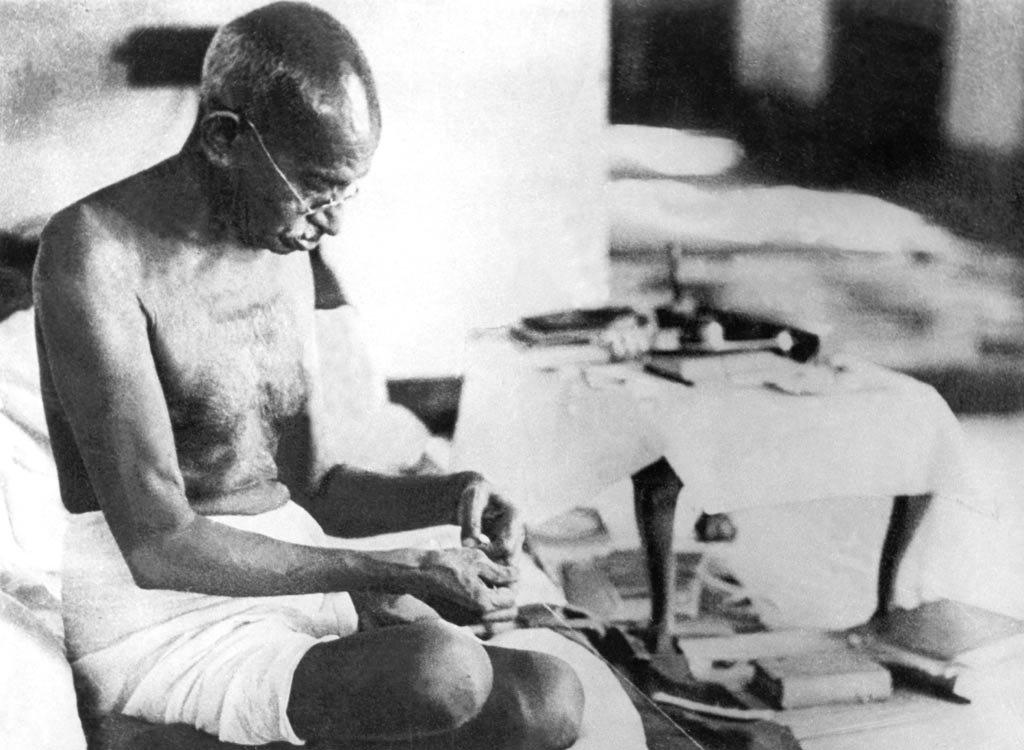




Typical characteristics and practices
Practices associated with simple living vary, but commonly include frugal spending, decluttering, slower daily rhythms, prioritizing relationships and time over goods, and reducing environmental impact. Many adherents adopt habits intended to improve physical and mental health (health), strengthen household finances (economy), or reflect moral or intellectual commitments (philosophy). Environmental motives—lowering energy use, waste, and consumption—are frequent drivers (environment).
History and notable figures
The idea of simplifying life appears in many cultures and eras. Religious and philosophical leaders have long advocated restraint: for example, Francis of Assisi is known for radical poverty; writers such as Leo Tolstoy and Henry David Thoreau explored living with less as a moral and contemplative stance. Creatives and thinkers including Rabindranath Tagore and humanitarians like Albert Schweitzer also modelled simplified practices. Communities such as the Amish follow rules that limit technology use and consumption in accord with their interpretation of the Bible.
Why people choose simple living
Motivations differ: some seek financial stability and less debt; others want reduced stress or a lighter ecological footprint. For many, the appeal lies in more time, closer relationships, and greater focus on meaningful work or civic engagement. Simple living can be adopted partially (for example, reducing waste or screen time) or as a comprehensive life plan.
Practical steps and distinctions
- Start by auditing possessions and recurring expenses.
- Set clear priorities (time, health, community) and align choices to them.
- Adopt one change at a time: limit purchases, simplify meals, or reduce digital distractions.
- Engage with local sharing, repair, and reuse networks rather than buying new.
Simple living should be distinguished from poverty or involuntary deprivation: it is an elective, often reflective choice. Its expressions differ by culture, income level, and personal values; what looks ‘simple’ in one context may be luxury in another. For further perspectives and practical resources, explore introductory materials and communities that discuss intentional living and its trade-offs (read more).
Further reading and examples
Contemporary forms include tiny-house living, community sharing initiatives, and lifestyle design that limits consumerism. Examples and resources can be found through community groups, books, and online forums that collect stories and practical tips about downsizing possessions, improving well‑being, and reducing environmental impact (lifestyle resources).
Related articles
Author
AlegsaOnline.com Simple living: principles, history, and practical approaches Leandro Alegsa
URL: https://en.alegsaonline.com/art/90556