
Stoicism
Stoicism is an ancient Hellenistic school of philosophy that teaches virtue, rational self-control, and living in accordance with nature. It influenced Roman thinkers and modern practical ethics and therapy.
Overview
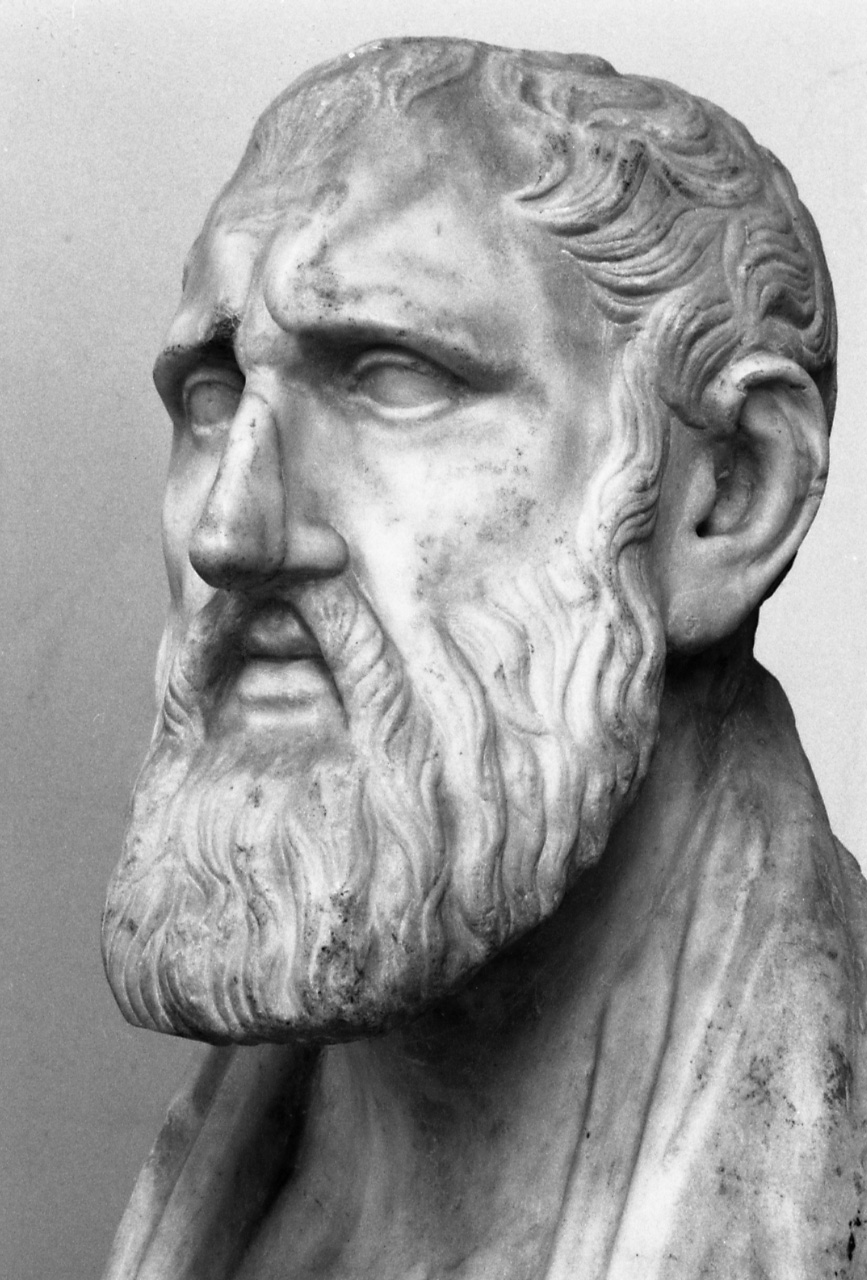
Stoicism is a school of Hellenistic philosophy founded in Athens in the early third century BCE by Zeno of Citium. At its heart Stoicism explores how a rational person can flourish by aligning intention and action with an orderly nature, while negotiating the tension between cosmic determinism and human choice.
Image gallery
7 Images




Core teachings
Stoics hold that the good life depends on virtue and a trained will (prohairesis) rather than on external goods. They assert it is virtuous to maintain a will that is in agreement with nature. The tradition also addresses the role of cosmic determinism and the practical freedom individuals can exercise through judgment, assent, and discipline.
History and development
After its foundation in Athens the school developed over centuries, producing major thinkers who refined logic, ethics, and physics. Stoicism was influential across Greece and later throughout the Roman Empire. Important Roman-era Stoics include Seneca, Epictetus and the emperor Marcus Aurelius. The classical schools declined after imperial edicts; in 529 AD the philosopher-schools were suppressed under Emperor Justinian I.
Practices and examples
Stoic practice emphasizes habits that cultivate resilience and moral clarity. Common exercises include negative visualization (premeditatio malorum), distinguishing what is within one’s control, disciplined attention to judgment, and reflective journaling. These practices were intended to translate abstract principles into everyday conduct.
Notable figures and texts
- Zeno of Citium — founder
- Chrysippus — systematizer of Stoic logic and ethics
- Seneca, Epictetus, Marcus Aurelius — principal Roman Stoics
Surviving works and collections, such as letters, the Enchiridion, and Meditations, preserve core teachings even though much ancient material exists only in fragments.
Legacy and distinctions
Stoicism influenced later ethical thought and modern therapeutic approaches (for example, cognitive behavioral therapy draws on Stoic ideas about interpretations and emotions). It is often contrasted with other Hellenistic schools like Epicureanism and Cynicism and is frequently revived today as a practical philosophy for personal resilience and civic virtue.
Related articles
Author
AlegsaOnline.com Stoicism Leandro Alegsa
URL: https://en.alegsaonline.com/art/94012