
Albert Schweitzer: physician, theologian, musician and humanitarian
Albert Schweitzer (1875–1965) was an Alsace-born theologian, Bach scholar, philosopher and physician who founded a hospital at Lambaréné and won the 1952 Nobel Peace Prize for his humanitarian work.
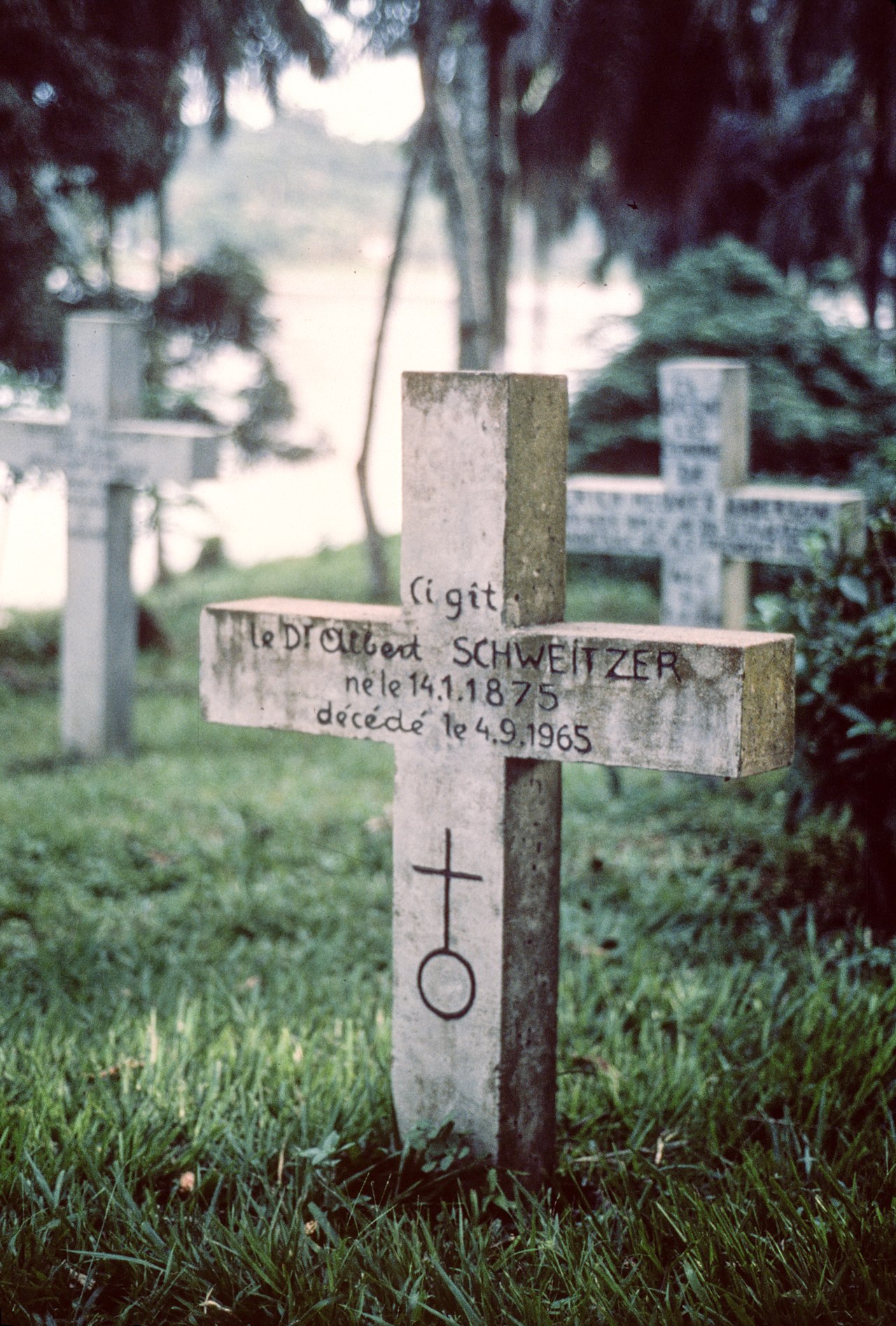
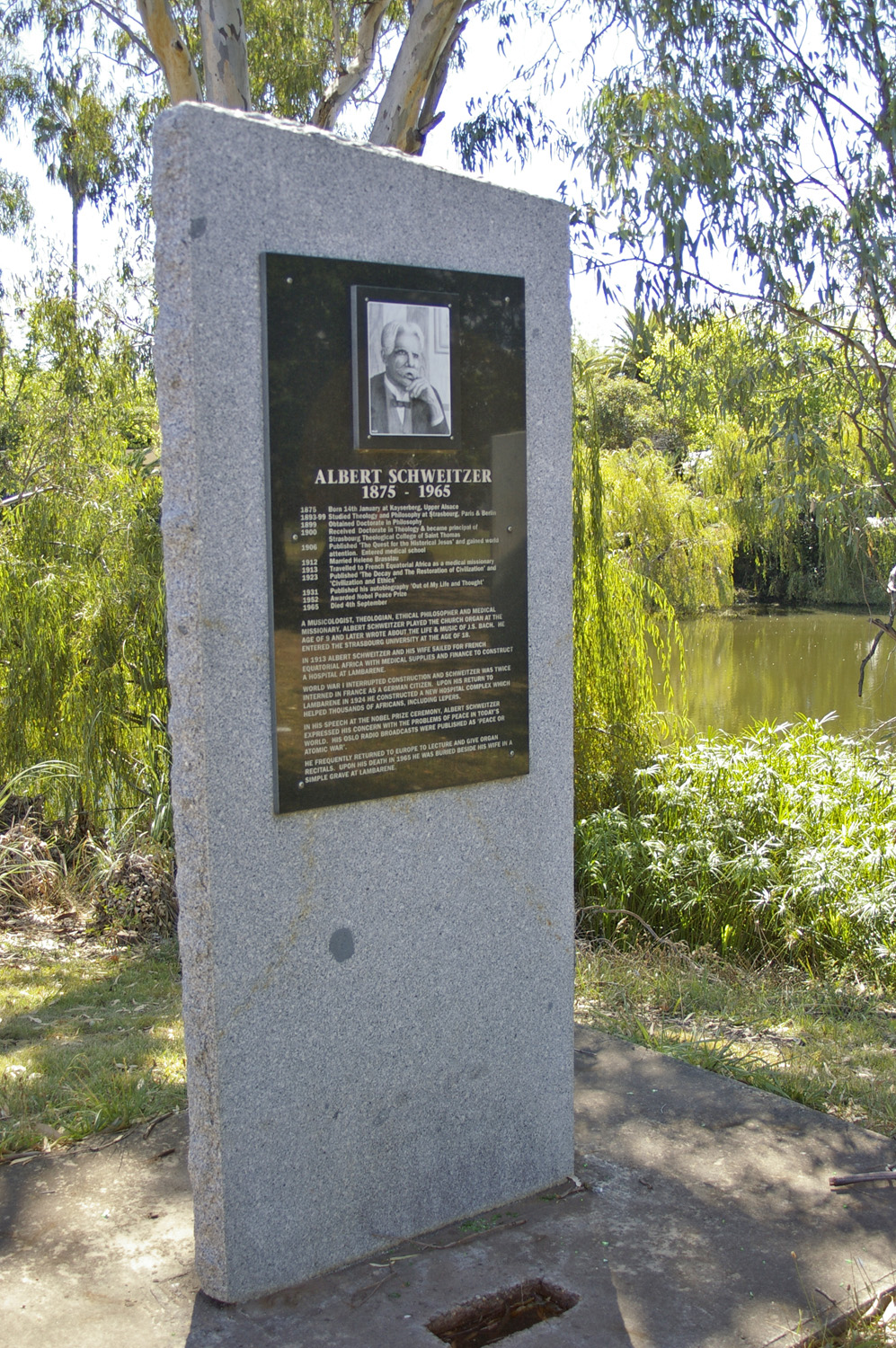
Albert Schweitzer (14 January 1875 – 4 September 1965) was a multifaceted public figure: a theologian, organist and Bach scholar, philosopher, and physician. Born in Kaysersberg in Alsace when it was part of the German Empire, Schweitzer became widely known for combining scholarly work in religion and music with hands-on medical service in Africa and for promoting an ethical ideal he called "Reverence for Life." Biography and overview
Image gallery
10 Images



Early life and intellectual formation
Schweitzer trained and worked across several disciplines. Early in his career he earned recognition as a musicologist and organist for his studies of Johann Sebastian Bach and for performing organ repertoire. He also published theological writings that engaged questions about the historical Jesus and Christian ethics. Later in life he completed medical training and brought that practice into his humanitarian work. For more on his writings in music and religion see music studies and religious writings.
Medical mission and Lambaréné
Motivated by a desire to serve, Schweitzer established a hospital at Lambaréné in what is now Gabon. There he practiced tropical medicine, treated thousands of patients, trained assistants, and helped develop the medical station into a long-running institution. His choice to leave scholarly life for clinical service made him a prominent example of a scholar-practitioner bridging intellectual work and direct aid. Contemporary accounts and organizations have documented the hospital's history and continuing activity. Lambaréné hospital
Philosophy, ethics and recognition
Schweitzer articulated an ethical principle summarized as "Reverence for Life," arguing that moral responsibility extends to all living beings. That philosophy informed both his writings and his practical commitments. International attention to his humanitarian efforts culminated in the Nobel Peace Prize in 1952. His life provoked debate about colonial contexts, missionary medicine, and the responsibilities of Western intellectuals abroad; modern scholarship continues to reassess those dimensions. See reflections and critiques at ethical legacy and critical perspectives.
Legacy and significance
Schweitzer's interdisciplinary career left multiple legacies: renewed interest in Bach performance and organ scholarship, influential theological essays, the medical mission model at Lambaréné, and a popularized ethic that inspired later conservation and humanitarian movements. His life remains a case study in how scholarly reputation, spiritual commitment, and medical service can intersect—and how such work must be examined in historical context. For additional resources and primary texts see collected works and archival materials.
- Main roles: theologian, musician, philosopher, physician, humanitarian
- Notable ideas: Reverence for Life (ethics)
- Notable actions: founded hospital at Lambaréné; Nobel Peace Prize laureate
Questions and answers
Q: When was Albert Schweitzer born?
A: Albert Schweitzer was born on 14 January 1875.
Q: Where was Albert Schweitzer born?
A: Albert Schweitzer was born in Kaysersberg, Alsace which at the time was part of the German Empire.
Q: What did Albert Schweitzer write books about?
A: Albert Schweitzer wrote books about music and religion.
Q: What is one of his most famous accomplishments?
A: One of his most famous accomplishments is starting a hospital in Lambarene, Africa.
Q: What award did he receive in 1952?
A: In 1952, he received the Nobel Peace Prize.
Q: What nationality was he?
A: He had dual French-German nationality.
Q: Was he a theologian or a physician first? A: He was a theologian first before becoming a physician.
Tags
Related articles
Author
AlegsaOnline.com Albert Schweitzer: physician, theologian, musician and humanitarian Leandro Alegsa
URL: https://en.alegsaonline.com/art/2106