
Leo Tolstoy: life, works, philosophy and legacy
Russian novelist and thinker Leo Tolstoy (1828–1910), author of War and Peace and Anna Karenina; his moral and religious writings shaped nonviolent movements and modern literary realism.
Overview
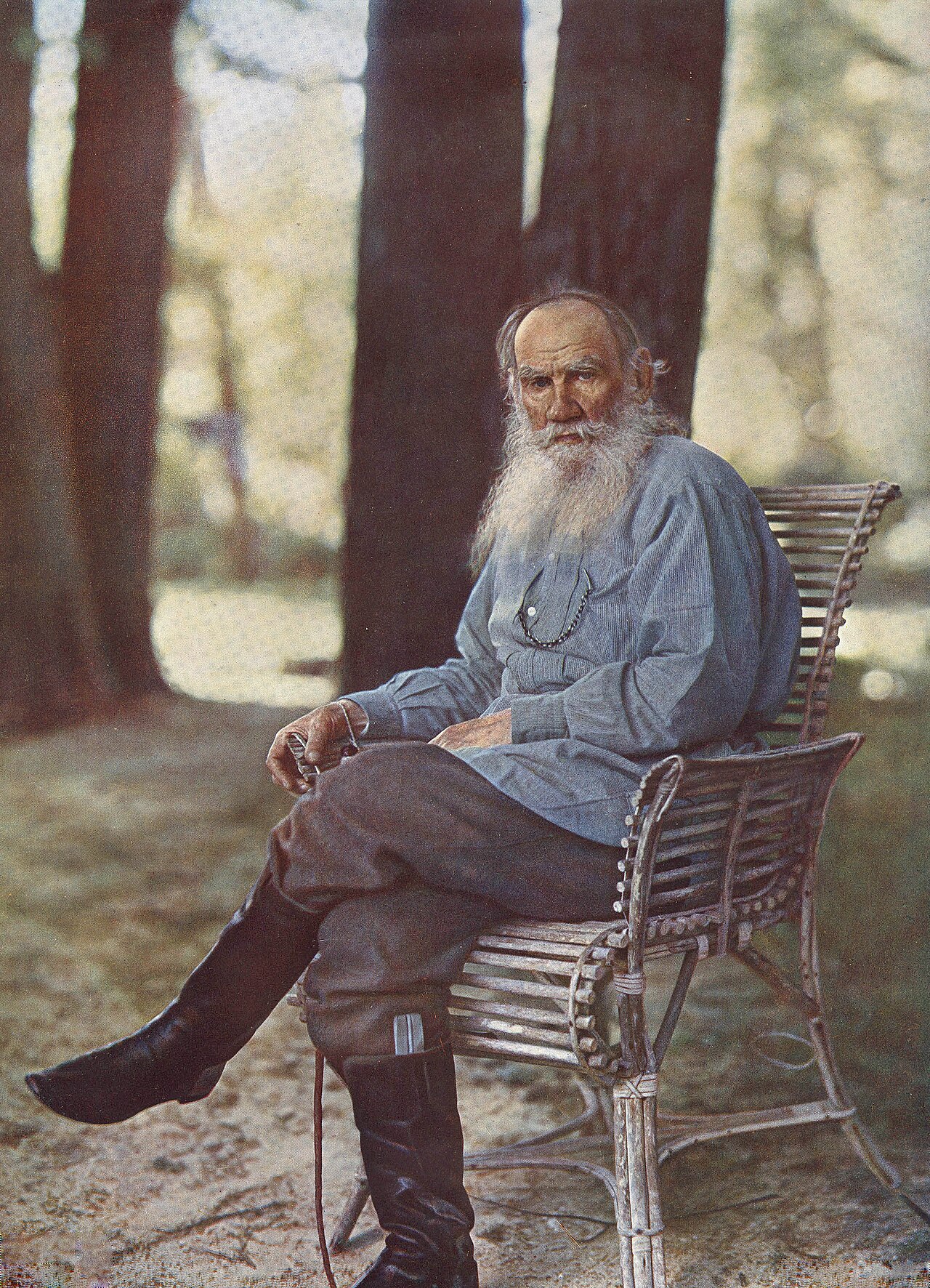
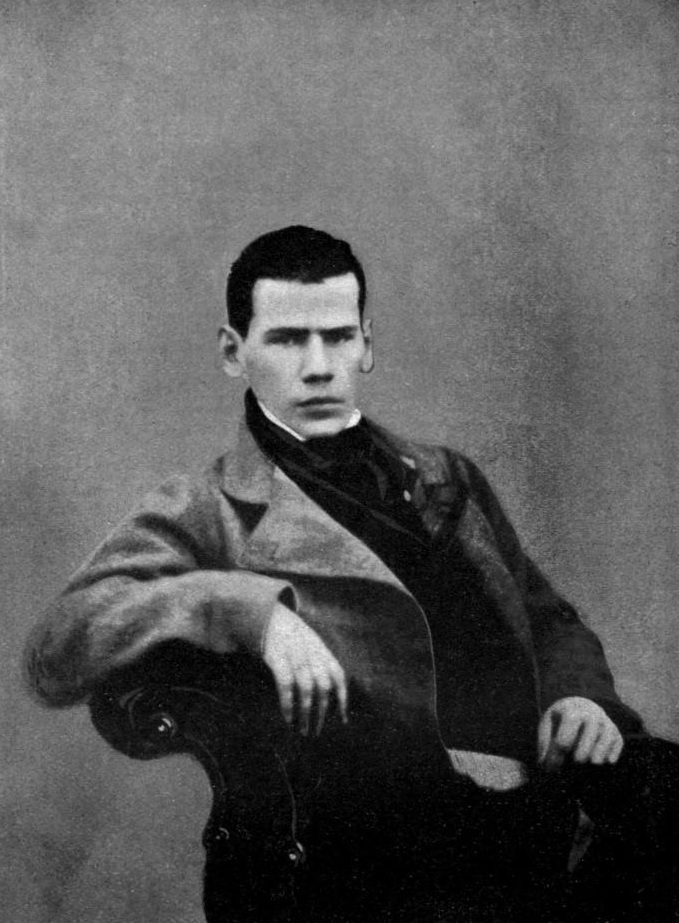
Count Lev Nikolayevich Tolstoy (9 September 1828 – 20 November 1910), commonly known in English as Leo Tolstoy, was a Russian novelist and public intellectual whose fiction and later religious writings became influential worldwide. He is best known for his epic realist novels War and Peace and Anna Karenina, which explore historical events, social life, and the inner moral struggles of their characters. Tolstoy's career combined literary innovation with a growing interest in ethical and spiritual questions.
Image gallery
10 Images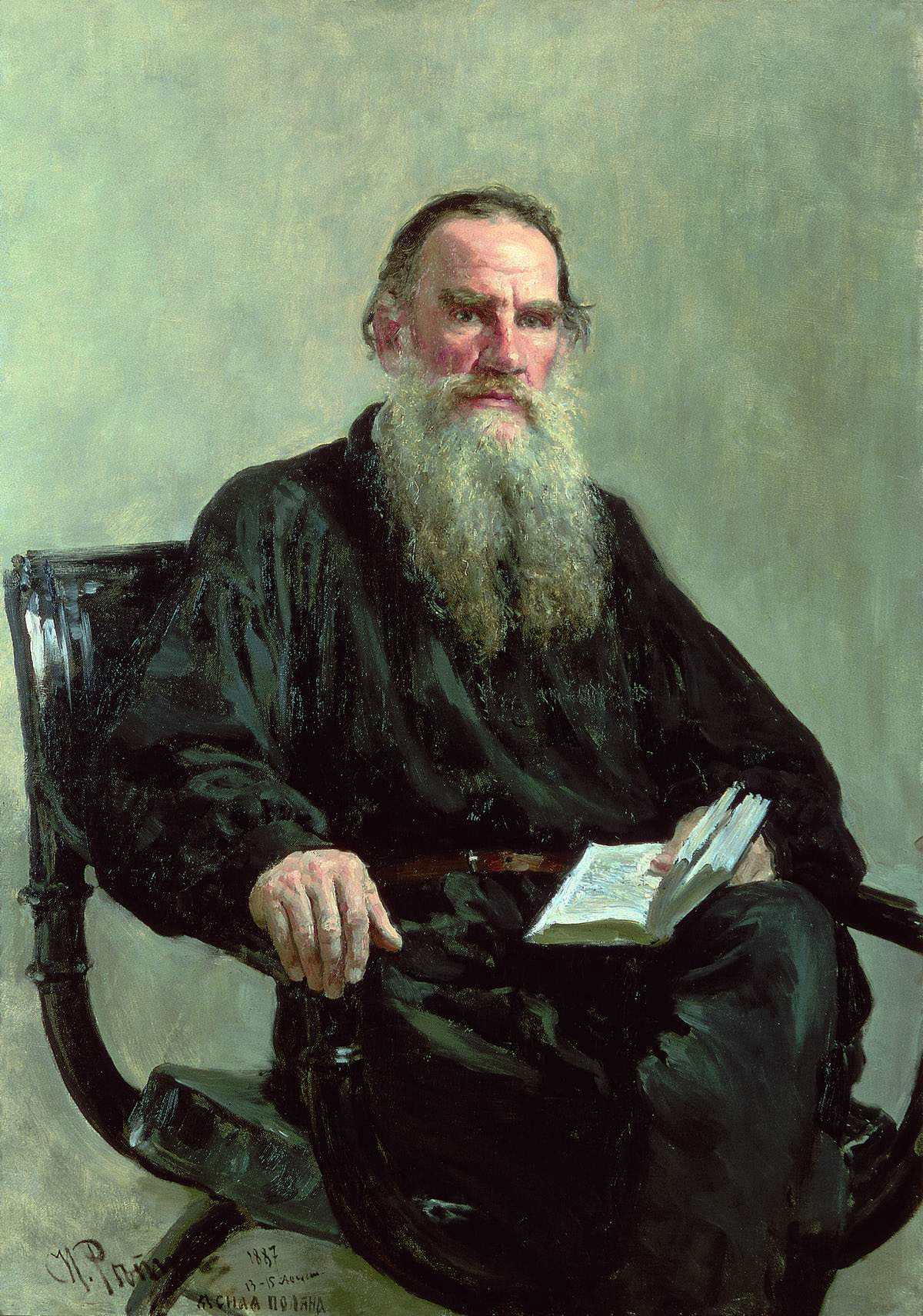


Major works and style
Tolstoy's fiction is celebrated for detailed observation, psychological depth, and social scope. His major novels are often accompanied by shorter stories, novellas, and essays that examine moral choice, faith, and social justice. Notable works include:
- War and Peace — a panoramic novel of Russia during the Napoleonic wars.
- Anna Karenina — a tragic study of family, society, and adultery.
- Shorter pieces and moral tales that blend narrative realism with philosophical reflection.
Philosophy, religion and social views
In midlife Tolstoy underwent a personal religious transformation and developed a form of Christian ethics centered on nonviolence, simplicity, and moral self-discipline. He advocated a return to what he considered the core teachings of Jesus, a stance he set out in works such as The Kingdom of God Is Within You. His beliefs led him to reject many institutional forms of authority and property, and have been described as Christian anarchism or pacifism. Tolstoy also practiced and promoted simple living as part of his critique of wealth and modern society; his views drew admirers and critics alike.
Influence and legacy
Tolstoy's thought influenced a range of political and spiritual leaders. His advocacy of nonviolent resistance inspired figures such as Mahatma Gandhi and later civil-rights activists, while his moral essays contributed to debates about social reform and education. Tolstoy's combination of literary realism and moral inquiry helped shape modern novelistic techniques and ethical literature.
Life, reception, and distinctions
Born into a noble family, Tolstoy experienced war, estate management, family life, and eventual estrangement from some institutions of his country. His later years were marked by intense public debate over his ideas; he remained prolific until his death in 1910. Readers and scholars continue to examine tensions in his work between artistic craft and didactic purpose, between aristocratic origins and radical social critique. For further reading on his life and works see religious context, discussions of simple living, and literary studies of his novels available through major reference collections and archives on Tolstoy.


Tolstoy's Legacy
After his death, his wife, who had published Tolstoy's works as an editor since 1885, published a last complete edition of his works, which she supervised. Daughter Alexandra, who had been formally appointed by Tolstoy as sole heir to the literary estate, bought the Yasnaya Polyana estate from her mother in 1913. Together with Vladimir Chertkov, she had made a handsome sum by publishing Tolstoy's unpublished writings and selling the rights to an edition of his works to the publisher Ivan Sytin, thus fulfilling her father's wish that the estates be passed on to the peasants. Chertkov also became the founder of Tolstoyanism, a movement of Christian anarchism and pacifism.
When the will was legally valid, Alexandra attempted to assert her ownership rights to those manuscripts that had been transferred to the archive by the writer's wife with his consent since the late 1880s. Pending a decision in this matter, both parties were denied access to the manuscripts. A protracted dispute in court ensued. This dispute between mother and daughter was not about copyright; Tolstaya fully acknowledged her husband's will. Tolstaya's ownership rights to the collection of manuscripts in the archives of the Historical Museum, which were the subject of the dispute, were confirmed by the court and by ukase of the Tsar in 1914.

Honors
- In 1873 he was elected a corresponding member of the Russian Academy of Sciences in St Petersburg. In 1900 he became an honorary member of the Academy.
Two modern Russian coins were dedicated to Lev Nikolayevich Tolstoy in Russia:
The flagship of the Russian inland waterway fleet, the Lev Tolstoy, bears his name.
In 1976 the Mercury crater Tolstoy and in 1984 the asteroid (2810) Lev Tolstoy was named after him. He is also the namesake of the valley Dolina L'va Tolstogo in Antarctica.

Questions and answers
Q: Who was Leo Tolstoy?
A: Leo Tolstoy was a famous Russian novelist and anarchist who wrote books including War and Peace and Anna Karenina.
Q: When was Leo Tolstoy born and when did he die?
A: Leo Tolstoy was born on September 9th, 1828 and died on November 20th, 1910.
Q: What were some beliefs that Tolstoy held?
A: Tolstoy was a Christian who practiced non-violence and simple living.
Q: What was Tolstoy's influence on Mahatma Gandhi and Martin Luther King?
A: Tolstoy's work The Kingdom of God is within you influenced people like Mahatma Gandhi and Martin Luther King.
Q: What are some other works Tolstoy is known for besides War and Peace and Anna Karenina?
A: Tolstoy wrote many other works besides War and Peace and Anna Karenina.
Q: Was Tolstoy a Russian novelist or a musician?
A: Tolstoy was a Russian novelist.
Q: Did Tolstoy believe in non-violence?
A: Yes, Tolstoy believed in non-violence.
Related articles
Author
AlegsaOnline.com Leo Tolstoy: life, works, philosophy and legacy Leandro Alegsa
URL: https://en.alegsaonline.com/art/57196
Sources
- wikidata.org : wikidata.org/wiki/Q7243
- authority.bibsys.no : 90952390
- catalogo.bne.es : XX933715
- catalogue.bnf.fr : cb11926775j
- data.bnf.fr : (data)
- cantic.bnc.cat : a11277543
- d-nb.info : 11864291X
- hls-dhs-dss.ch : 041481
- isni.org : 0000 0001 2242 4494
- id.loc.gov : n79068416
- musicbrainz.org : 8a2f71c8-ccbe-42de-a2fa-2490fc015374
- id.ndl.go.jp : 00458898
- aleph.nkp.cz : jn19981002230
- nla.gov.au : 36180076
- data.nlg.gr : 257539