
Straw man (logical fallacy)
A straw man is an informal fallacy in which an opponent’s position is misrepresented—often exaggerated or simplified—so the distorted version can be refuted instead of the original claim.
Overview
The straw man is a common type of informal fallacy in which one party substitutes an altered, weakened, or oversimplified version of another party's position and then attacks that distorted version. Because the misrepresented position is easier to rebut, the attacker may appear to have defeated the original argument even though the real claim was never addressed.
Image gallery
2 Images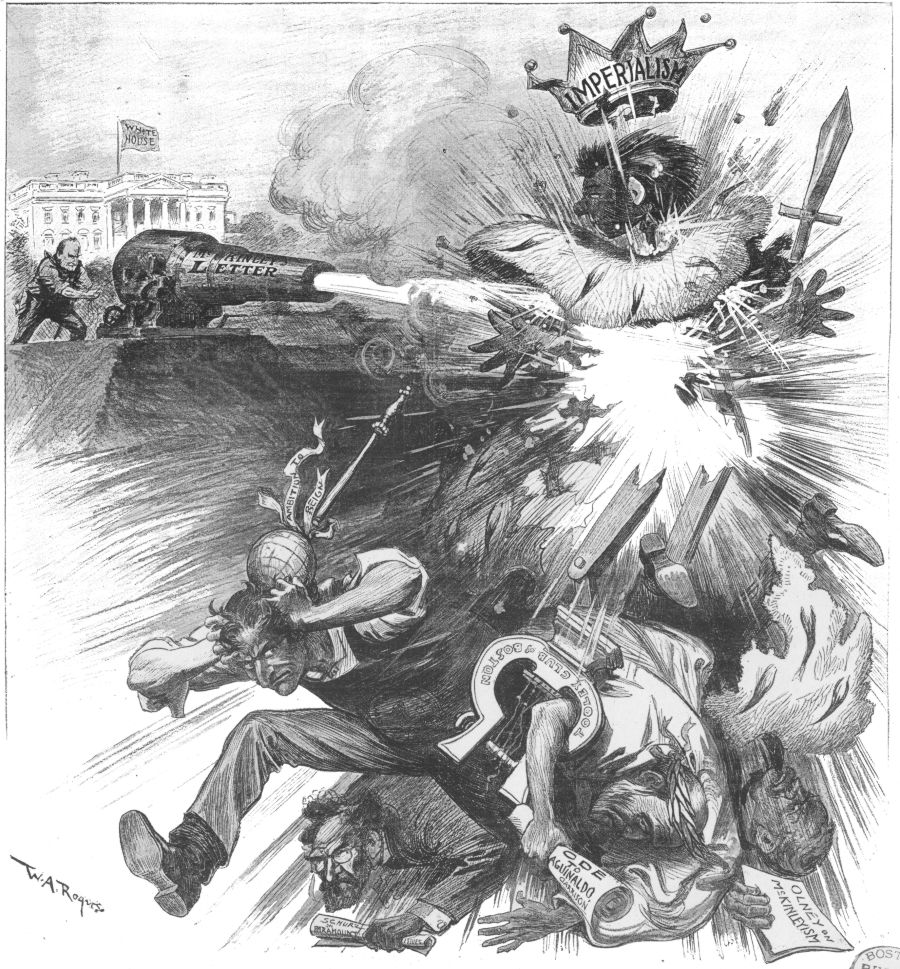
Characteristics and typical forms
Straw man attacks take many shapes. They often involve exaggeration of the opponent's claim, selective quoting out of context, caricaturing, or inventing a position the other person never held. The distortion can be deliberate—used as a rhetorical tactic—or unintentional, arising from misunderstanding or poor listening.
- Caricature: Turning a nuanced argument into an extreme or absurd version.
- Overgeneralization: Treating a specific claim as if it were a sweeping statement.
- False substitution: Replacing the original premise with a different, weaker one.
History and name
The term evokes a human-shaped figure stuffed with straw that is easy to knock down. As a label for rhetorical and argumentative practice, it has long been used in discussions of debate and logic to describe tactics that divert attention away from genuine points of contention. It is recognized across disciplines dealing with reasoning, such as critical thinking, rhetoric, and informal logic.
Examples and where it appears
Straw man arguments commonly appear in political debate, media commentary, advertising, and everyday disagreements. For example, if Person A argues for modest tax reform to fund public services and Person B replies that "Person A wants to take all your earnings and give them to others," Person B has erected a straw man. The reply attacks a position more extreme than what was actually proposed.
How to recognize and respond
To counter a straw man, clarify and restate your original position, ask for exact citations, and point out the differences between the claim you made and the version being attacked. Good-faith dialogue benefits from asking questions, focusing on premises and evidence, and avoiding rhetoric that reshapes an opponent's view into something easier to refute.
Notable distinctions
The straw man differs from other fallacies such as a red herring (which distracts), a false dichotomy (which limits options), or a slippery slope (which predicts exaggerated consequences). While related to misrepresentation, the straw man specifically involves constructing a weaker surrogate of the opponent's argument and then rebutting that surrogate rather than engaging the original claim.
Questions and answers
Q: What is a straw man?
A: A straw man is a type of incorrect reasoning, in which an exaggerated version of someone else's argument is proved wrong, making it appear as if the real argument has been disproved.
Q: How did the term "straw man" originate?
A: The term "straw man" originated from the idea of a human figure made of straw that is easy to destroy, suggesting how easily this type of argument can be disproved.
Q: What are some forms that a straw man argument can take?
A: Straw man arguments can take many forms and may arise from honest mistakes.
Q: Is there any way to avoid committing the fallacy of attacking a straw man?
A: To avoid committing the fallacy of attacking a straw man, one should strive to accurately represent another person's argument before attempting to refute it. This will help ensure that any rebuttal presented is based on facts rather than exaggerations or misrepresentations.
Related articles
Author
AlegsaOnline.com Straw man (logical fallacy) Leandro Alegsa
URL: https://en.alegsaonline.com/art/94220
Sources
- books.google.com : Understanding Arguments: An Introduction to Informal Logic. p. 390
- bartleby.com : "Man of Straw,"
- elections.harpweek.com : "Smashed!"