
Skepticism: doubt, inquiry, and critical thinking
Skepticism is an attitude and set of methods that favor careful doubt, evidence-based inquiry, and suspended judgment. It ranges from everyday caution to philosophical theories about knowledge and belief.
Skepticism is a disposition and a set of techniques that emphasize doubt, questioning, and the careful evaluation of claims. The word traces to the Greek root skeptomai, meaning to look or examine. In ordinary use, a skeptic is someone inclined to require good reasons before accepting a proposition; in philosophy, skepticism becomes a systematic stance about what can be known.
Image gallery
3 Images
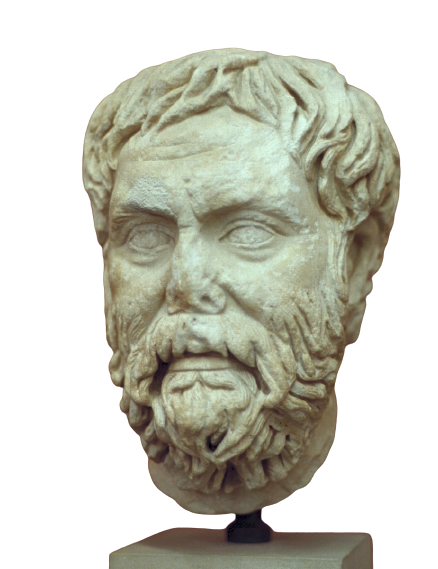
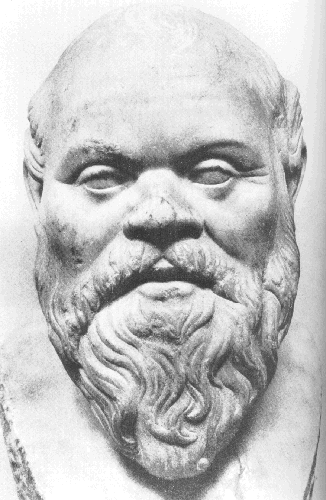
Forms and characteristic features
Skepticism appears in several recognizable forms. It can be local (targeting particular types of claims, such as miracle reports) or global (doubting most or all knowledge claims). Methodological skepticism treats doubt as a tool for inquiry rather than a final conclusion: one withholds belief until evidence is satisfactory. Scientific or critical skepticism applies empirical standards and reproducible tests. Religious or existential skepticism questions doctrinal or metaphysical assertions. Common features include insisting on evidence, exposing logical gaps, and distinguishing between uncertainty and denial.
Historical background
Ancient traditions produced influential skeptical schools. Greek thinkers developed temperaments and systems of doubt that debated whether certainty is attainable. Later philosophers used skeptical strategies to probe the foundations of knowledge; some employed systematic interrogation of beliefs to identify reliable principles. In modern times, skepticism has played a central role in shaping methods of science and philosophy, encouraging critical examination of assumptions and claims.
Uses, examples, and importance
Skepticism serves practical and intellectual roles. In science and medicine it drives testing, replication, and peer review; in journalism and law it justifies cross-examination and corroboration. Everyday skepticism helps people evaluate advertising, political assertions, and health claims. Movements that promote evidence-based thinking often invoke skeptical standards to challenge pseudoscience and unsupported assertions.
Limits, challenges, and distinctions
Extreme or unqualified skepticism can lead to a paradox: if all beliefs are doubted, action and communication become difficult. Critics warn that excessive doubt may slip into cynicism or deny ordinary knowledge that is practically reliable. Philosophers therefore distinguish between reasonable, methodical doubt and radical doubt that rejects all justification. For many practitioners, skepticism is a balance: a readiness to question combined with a willingness to accept well-supported conclusions.
When used constructively, skepticism is a tool for clearer thinking and more reliable knowledge. Its value depends on applying critical standards consistently and avoiding simplistic or dogmatic refusal to engage. For a practical approach to inquiry, some favor systematic doubt as a heuristic—see systematic doubt—while retaining standards for evidence and coherence.
Questions and answers
Q: What is skepticism?
A: Skepticism is an attitude of doubt about whether something exists, can be known for certain, or if we are correct in arguing a certain way.
Q: Where does the term skepticism come from?
A: The term skepticism comes from the Greek word skeptomai which means "to consider" or "to examine".
Q: What is the purpose of skepticism?
A: The purpose of skepticism is to have a practical method of suspended judgment, systematic doubt or criticism.
Q: Who are skeptics?
A: People who have skepticism as an attitude, opinion, or method are called skeptics or sceptics.
Q: Is there any benefit to being a skeptic?
A: Yes, being a skeptic can help you make better decisions and form more accurate opinions by questioning assumptions and examining evidence before making conclusions.
Q: Are there different types of skeptics? A: Yes, there are philosophical skeptics who question the validity of knowledge and empirical skeptics who question claims based on scientific evidence.
Q: Is it possible to be too skeptical? A: Yes, it's possible to be overly skeptical and become so focused on doubting that it prevents you from forming meaningful opinions and making decisions.
Related articles
Author
AlegsaOnline.com Skepticism: doubt, inquiry, and critical thinking Leandro Alegsa
URL: https://en.alegsaonline.com/art/90903
Sources
- plato.stanford.edu : Stanford Encyclopedia of Philosophy
- philosophyonline.co.uk : Scepticism - History of Scepticism
- en.wikiquote.org : "Zhuangzi - Wikiquote"
- plato.stanford.edu : "Epistemology in Classical Indian Philosophy"
- en.wikiquote.org : "René Descartes - Wikiquote"