
Francis of Assisi (1181–1226)
Italian friar and founder of the Franciscan movement, celebrated for radical poverty, devotion to creation, the Canticle of the Sun, and enduring influence on Christian spirituality and culture.
Overview
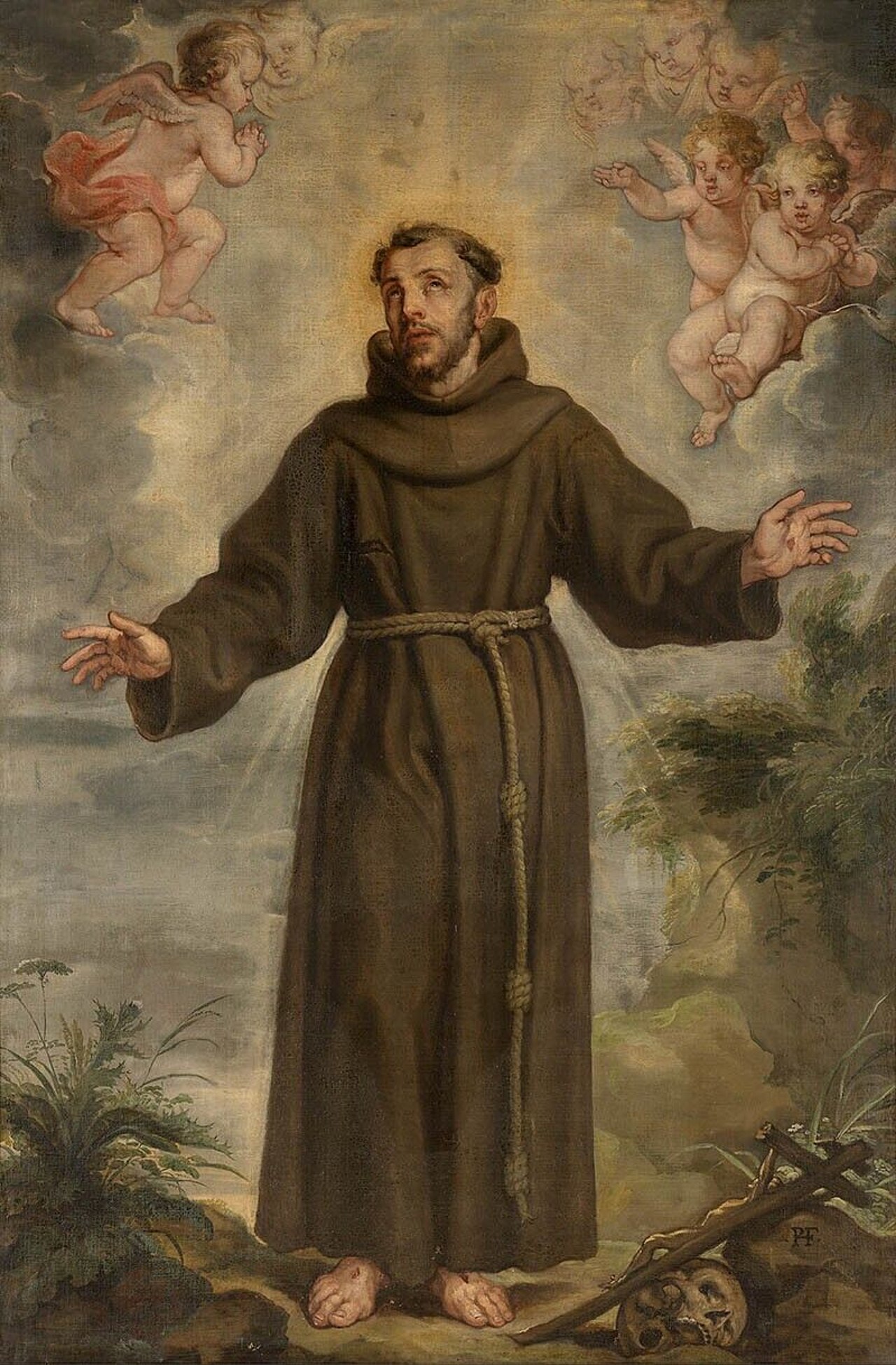
Francis of Assisi (1181–1226) was a Christian saint and religious reformer who established the Franciscan way of life. Born in Assisi, Italy, he is remembered for abandoning a comfortable mercantile youth to live in voluntary poverty, preaching simplicity, compassion and nonviolence. His life and sayings became models for later mendicant movements and for popular devotion across Europe.
Image gallery
10 Images




Life and conversion
Raised as the son of a cloth merchant, Francis was originally named Giovanni but earned the nickname Francesco. After youthful pursuits that included travel and social success, he experienced a decisive spiritual conversion in his twenties. He publicly renounced his inheritance and worldly ambitions, returning his clothes to his father and choosing to serve the poor and the sick. His break with family wealth put him at odds with local expectations but attracted followers who shared his call to live simply.
In 1209 his group received informal approval and became the basis for the Order of Friars Minor, dedicated to itinerant preaching, manual labor and dependence on charity. Women inspired by his example formed the Poor Clares. The movement spread rapidly across Europe and shaped urban religious life in the thirteenth century.
Teachings, writings and spirituality
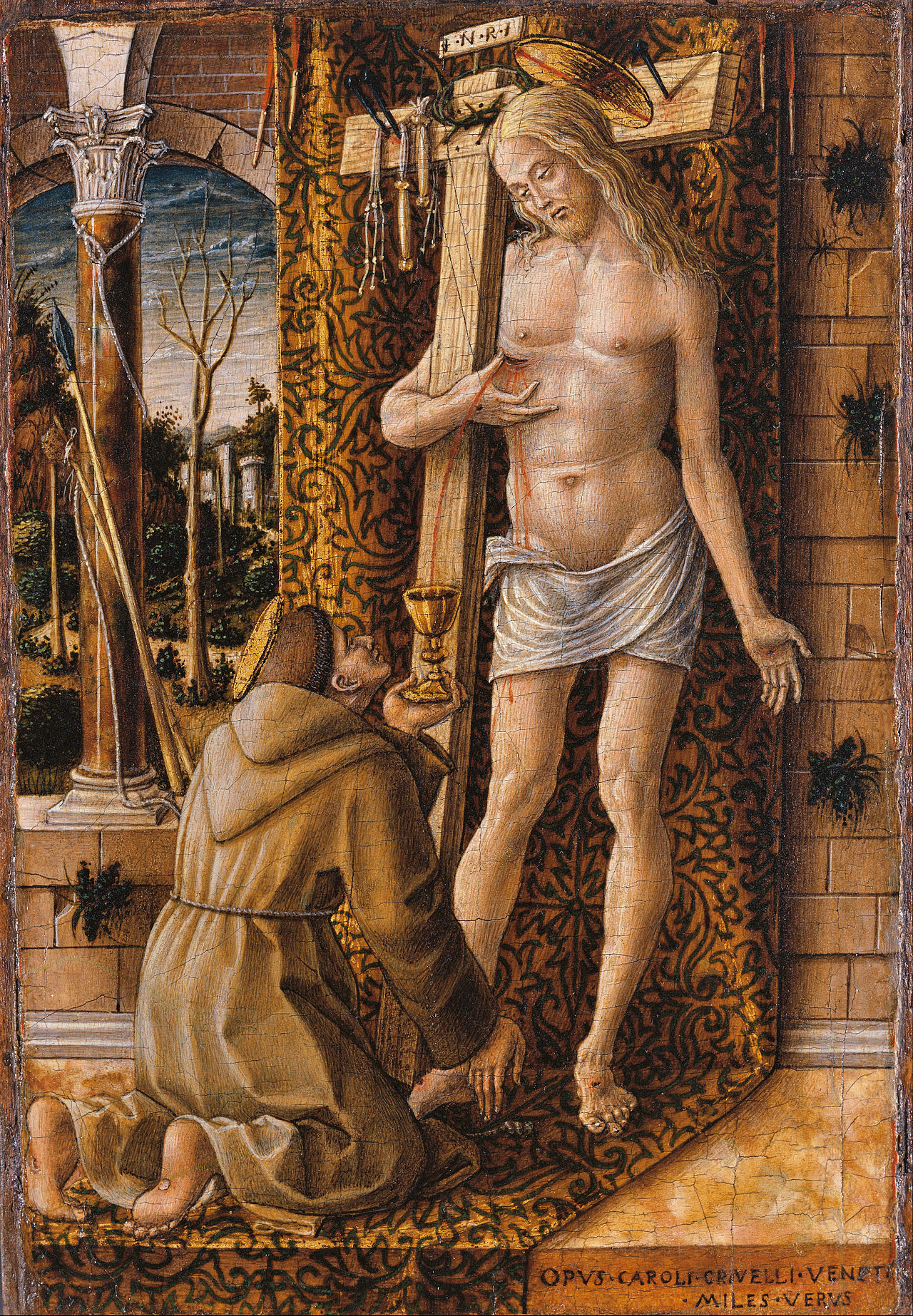
Francis emphasized radical poverty, humility, and a close relationship with all creatures. His lyric poem often called the Canticle of the Sun celebrates the natural world as a book of God's praises and is an early example of Christian nature poetry. Tradition also records that in his later years he bore the stigmata, visible marks resembling the wounds of Christ. His approach stressed action—care for the poor, peacemaking and direct ministry—rather than scholastic theology.
Legacy and veneration
Francis was canonized soon after his death and became one of the most popular saints in Western Christianity. He is widely regarded as a patron saint of animals and of those concerned with the environment. Traditional lists also associate him with merchants and civic life because of his origins and outreach to townspeople; historic devotions link him to merchants and to the nation of Italy. Each October 4, many churches observe his feast with blessings of animals and public processions.
- Patronages: patron saint of animals; protector of the natural world (environment); associated with merchants and civic causes.
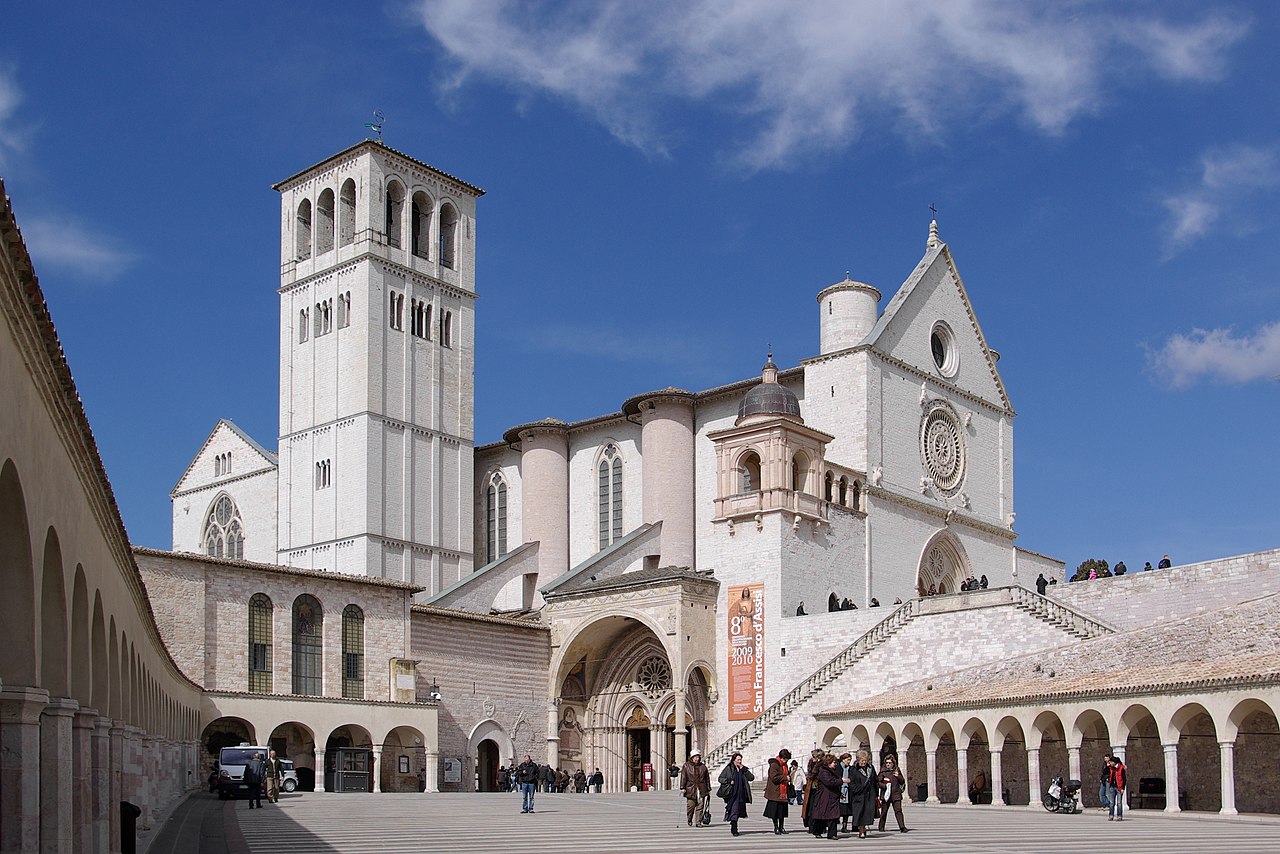
- Places of memory: The burial site in Assisi is marked by the large basilica that houses his tomb and famous frescoes.
His influence extends into art (notably the development of nativity scenes), popular piety, and modern conversations about ecology, poverty and interfaith dialogue. Sites connected with his life in and around Assisi remain pilgrimage destinations and are recognized for their artistic and cultural importance.
Related articles
Author
AlegsaOnline.com Francis of Assisi (1181–1226) Leandro Alegsa
URL: https://en.alegsaonline.com/art/36052