
Sign of the Cross (Christian ritual gesture)
A concise guide to the sign of the cross: its forms, theological meanings, historical development, and how different Christian traditions use this brief devotional gesture.
The sign of the cross is a short ritual gesture in many Christian traditions in which a believer traces a cross on or across the body. It functions as a prayerful invocation, a blessing, or an act of devotion performed at the beginning and end of prayers, at key moments of worship, or in everyday life. The gesture is familiar across Roman Catholic, Eastern Orthodox, Oriental Orthodox, Anglican, Lutheran and some other Protestant communities, though technique, symbolism and frequency of use vary between churches. See a general overview.
Image gallery
8 Images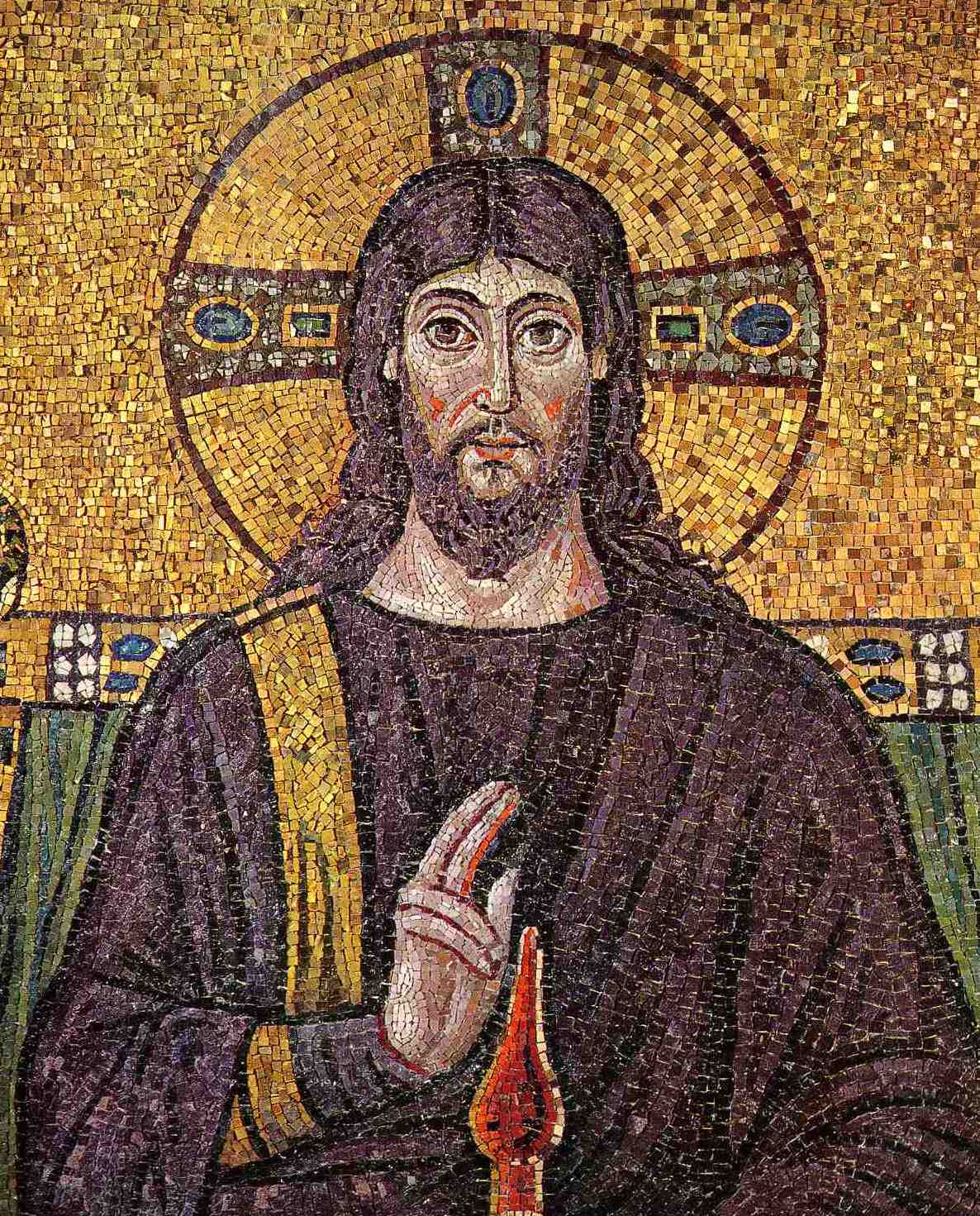






Form and basic technique
At its simplest, the sign of the cross marks the shape of the cross while invoking the persons of the Trinity. Two broad families of technique are most commonly described.
- Western (Roman Catholic and many Protestant) style: With the right hand (open or with fingertips together) touch the forehead, then the chest or upper abdomen, and then the left shoulder followed by the right shoulder, often while saying "In the name of the Father, and of the Son, and of the Holy Spirit." Instructions illustrate this sequence.
- Eastern (Orthodox and some Eastern Catholic) style: The hand is shaped by joining the thumb, index and middle fingers while the ring and little finger touch the palm. The gesture moves from forehead to chest and then from right shoulder to left shoulder, symbolically emphasizing the Trinity and Christ's two natures. Eastern practice explains the finger positions.
Meaning and theology
The gesture is compact theology in motion. Saying "Father, Son, and Holy Spirit" names the Trinity; touching the body makes the blessing personal. In some traditions the order of shoulders, the finger positions, or accompanying words carry theological emphasis: for example, the Eastern ordering of shoulders (right to left) often reflects a different emphatic tradition than the Western (left to right) motion. The joined fingers in Eastern rites may symbolically recall the threefold unity of the Trinity and the two natures—divine and human—of Christ. Theological notes set these practices in doctrinal context.
History and development
References to making a sign of the cross appear in early Christian writings and liturgical manuals, and the practice developed in various regions over centuries. By the Middle Ages the gesture had become widespread in Western liturgy and private devotion; in the East its form and theological explanation were consolidated in the Byzantine tradition. Regional customs, popular devotion, and liturgical reforms have influenced how the sign is made and taught. For historical summaries and primary sources, consult historical outlines and collections of liturgical texts. Further reading explores medieval and patristic uses.
Variations among Christian communions
Although many Christians share the habit of making the sign of the cross, differences are notable:
- Roman Catholic: Frequent in both public liturgy and private prayer; often accompanied by the Trinitarian invocation. See catechetical guidance: Catholic practice.
- Eastern Orthodox and Eastern Catholic: Characteristic finger formation and right-to-left shoulder motion; emphasis on sacramental and doctrinal symbolism. See liturgical explanation: Eastern explanation.
- Protestant churches: Usage ranges from common (Anglican, Lutheran) to rare or symbolic (some Reformed communities). The gesture may be optional, understated, or restored as part of liturgical renewal. For denominational notes, consult Protestant variations.
Uses and notable facts
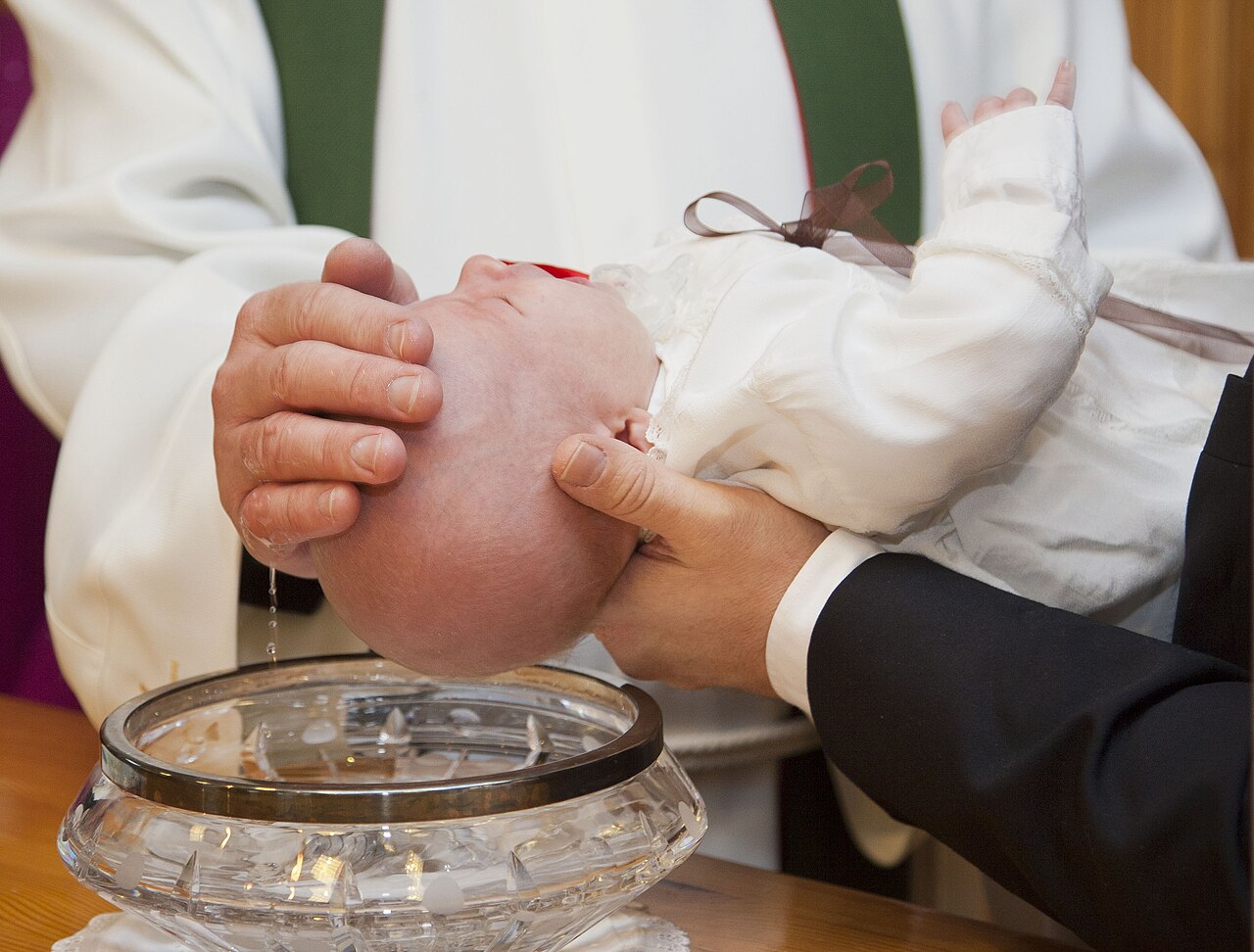
People make the sign of the cross at moments of blessing, during sacraments (such as baptism or the Eucharist in some rites), at the start and end of prayers, when passing a church, or in times of distress. Some use it as a quick prayer, others as a public witness of faith. In popular piety it often accompanies brief petitions or blessings for protection. Ritual manuals and devotional guides provide context-sensitive recommendations; see practical materials at devotional resources and scholarly treatments at academic sources.
Because the gesture is visible, it also serves as a mark of identity and continuity: small differences in how it is made can signal theological emphasis, liturgical tradition, or cultural heritage without changing the core intent—to invoke God’s name and remember the cross at the heart of Christian belief.
Related articles
Author
AlegsaOnline.com Sign of the Cross (Christian ritual gesture) Leandro Alegsa
URL: https://en.alegsaonline.com/art/90319
Sources
- catholicexchange.com : Beale, Stephen. "21 Things We Do When We Make the Sign of the Cross", Catholic Exchange, November 11, 2013
- orthodoxphotos.com : "The Sign of the Cross" · web.archive.org
- azbyka.ru : "О крестном знамении" · web.archive.org