
Slavic paganism: pre-Christian beliefs and practices of the Slavs
Religious beliefs and ritual practices of Slavic peoples before Christianization, including major deities, rites, primary sources, and later cultural legacy and revivals.
Overview
Slavic paganism refers to the diverse religious beliefs and ritual systems practiced by Slavic-speaking communities in Central, Eastern and Southeastern Europe before and during their gradual conversion to Christianity. It was not a single, centrally organized church but a collection of local traditions, myths and cults that varied regionally. Conversion to Christianity transformed these practices over several centuries, often blending older customs with new forms of worship; for historical background on that process see baptism and Christianization.
Image gallery
10 Images
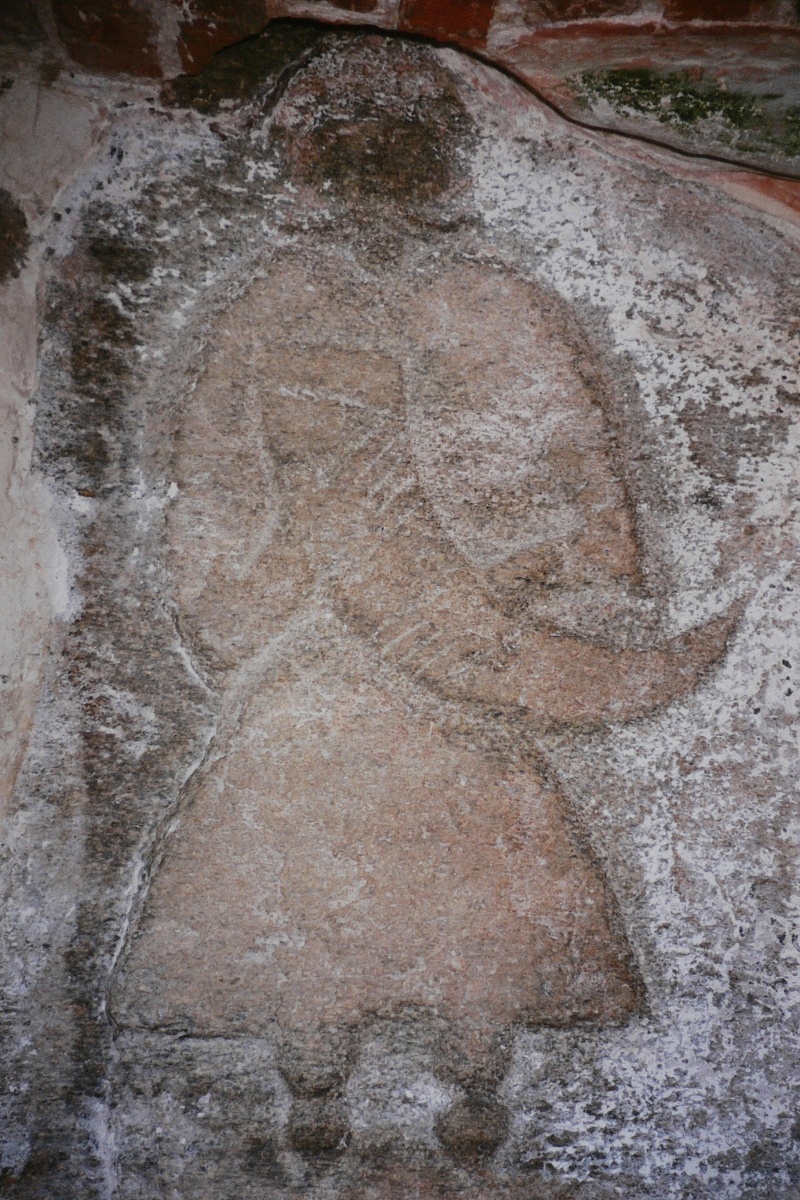





Beliefs and major figures
The Slavic sacred world included a pantheon of gods, spirits, and supernatural beings tied to natural forces, seasonal cycles and ancestry. Sources and comparative studies commonly cite deities such as Perun (storm and sky), Veles (underworld, cattle, wealth), Mokosh (female earth and fertility aspects), Svarog (craft and celestial fire) and Stribog (winds). Other figures associated with fertility, death and seasonal renewal appear in regional lore. Scholarly reconstructions emphasize local variation and evolving names and functions.
Practices, rites and sacred places
Ritual life combined offerings, seasonal festivals and household observances. Sacred spaces included groves, rivers, springs, hills and specially raised poles or shrines. Offerings ranged from food and drink to animals; community rites marked sowing, harvest, marriage, birth and the passing of the dead. Ancestor veneration and protective household spirits played a continuous role in daily piety.
Sources and historical study
Our knowledge comes from a mix of medieval chronicles, travelers' accounts, ecclesiastical reports and archaeological finds. Important textual witnesses include northern and central European chronicles and the writings of clerics; many medieval notes recorded by German bishops and missionaries are significant for study, for example in reports by German bishops. Travelers such as Ibrahim ibn Ya'qub and fragments preserved in later folklore also contribute. Modern scholarship combines these texts with comparative linguistics and material culture to reconstruct beliefs cautiously.
Christianization, legacy and revival
As Christianity spread, pagan cults were suppressed, adapted or syncretized into local Christian customs. Many seasonal festivals and folk motifs survived in altered form. From the 19th century onward, interest in national cultures led to scholarly revival and, in the 20th–21st centuries, to modern neopagan movements that draw on reconstructed Slavic traditions. Academic consensus treats popular reconstructions with critical caution, distinguishing reliable evidence from later invention.
Notable distinctions
- Regional diversity: beliefs differed markedly across West, East and South Slavic areas.
- Documentation gaps: much is reconstructed from secondhand reports and archaeology.
- Continuity: many folk customs preserve elements traceable to pre-Christian practices.
Questions and answers
Q: What does "Slavic paganism" refer to?
A: Slavic paganism refers to the religious beliefs held by Slavic people before they were baptized and Christianized.
Q: What are the main sources of information about Slavs and their beliefs?
A: The main sources of information about Slavs and their beliefs are the old Ruthenian chronicles, notes from German bishops, and Helmold's Chronica Sclavorum. Other chronicles and the diary of a Jewish trader of the Slaves - Ibrahim Ibn Jacob, can also provide information.
Q: What is Helmold's Chronica Sclavorum?
A: Helmold's Chronica Sclavorum is a chronicle that contains a lot of information about Slavs and their beliefs.
Q: Are the old Ruthenian chronicles the only sources of information about Slavs and their beliefs?
A: No, there are other sources of information about Slavs and their beliefs, including notes from German bishops, Helmold's Chronica Sclavorum, other chronicles, and the diary of a Jewish trader of the Slaves.
Q: What is the Chronicle of Thietmar?
A: The Chronicle of Thietmar is one of the sources of information about Slavs and their beliefs.
Q: When did Slavs undergo Christianization?
A: Slavs underwent Christianization after they were baptized.
Q: What is Ibrahim Ibn Jacob's diary about?
A: Ibrahim Ibn Jacob's diary is about his experiences as a Jewish trader of the Slavs. It is also a source of information about Slavs and their beliefs.
Related articles
Author
AlegsaOnline.com Slavic paganism: pre-Christian beliefs and practices of the Slavs Leandro Alegsa
URL: https://en.alegsaonline.com/art/91061