
Shoulder: anatomy, function and common conditions
Comprehensive overview of the human shoulder: bones, joints, cartilage, muscles, function, typical injuries, and clinical significance.
Overview
The shoulder is the anatomical region that connects the upper limb to the trunk and enables a wide range of arm movements. It is a complex assembly of bones, joints, soft tissues and cartilage that must balance mobility with stability. The major bony elements are the clavicle, the scapula and the humerus. These bones articulate with one another through several joint surfaces and are supported by layers of muscles, ligaments and tendons that together produce coordinated movement.
Image gallery
10 Images


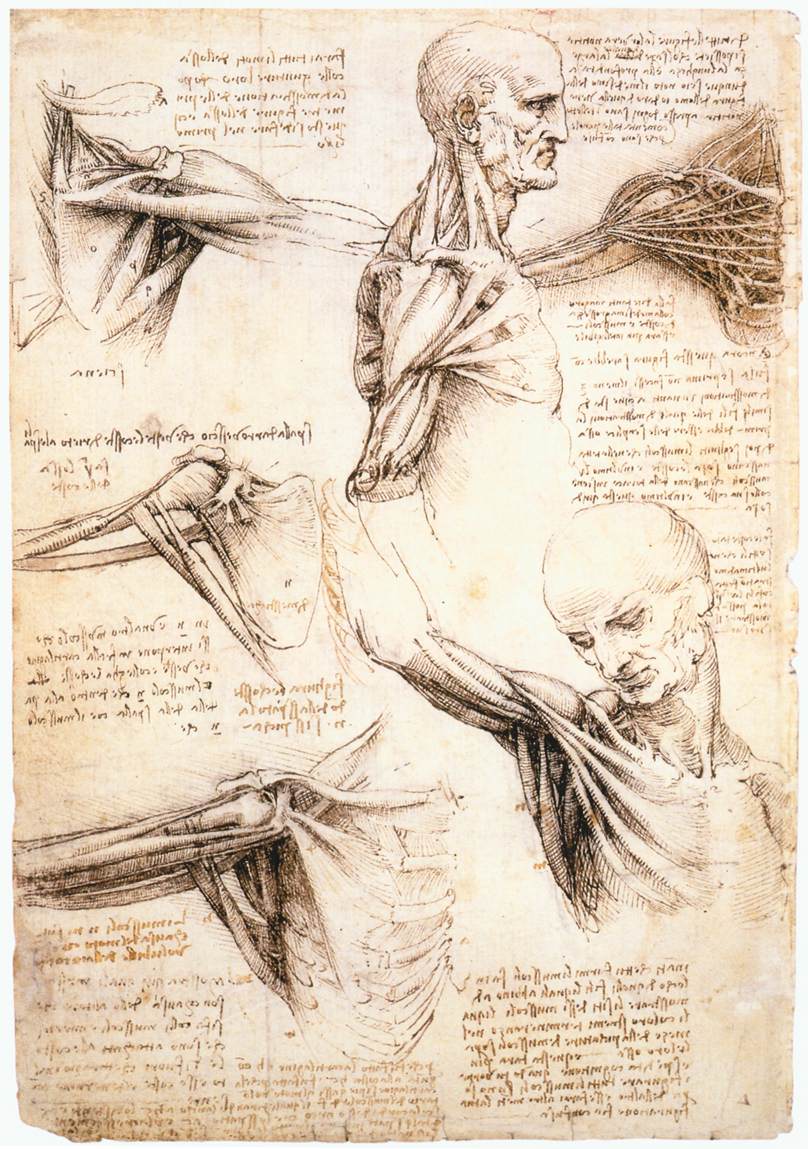
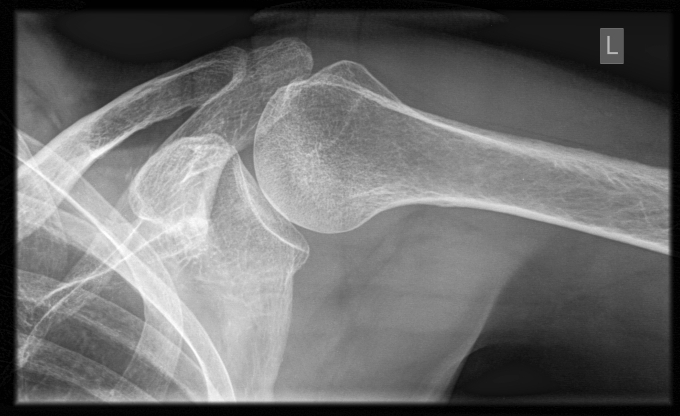


Anatomy and main components
Several distinct structures together are referred to as the shoulder:
- Bones: the collarbone (clavicle), shoulder blade (scapula) and upper-arm bone (humerus).
- Joints: the articulation between the humeral head and the glenoid of the scapula is the primary ball-and-socket joint; other articulations include the acromioclavicular and sternoclavicular joints — collectively the shoulder joints.
- Soft tissues: the rotator cuff muscles and other muscles move the arm; tendons attach muscle to bone; ligaments stabilize the joints.
- Cartilage: two principal types protect and shape the joint — smooth articular cartilage on bone ends and the firmer fibrocartilaginous labrum that deepens the socket.
Cartilage, the labrum and joint surfaces
Articular cartilage is the glossy, low-friction layer covering the ends of bones where they meet one another; it supports smooth gliding during movement. The labrum is a ring of tougher, fibrous cartilage attached around the rim of the glenoid fossa. It increases contact area, helps maintain joint stability and serves as an attachment for ligaments. Damage to either type of cartilage — for example through wear (osteoarthritis) or traumatic tears — can cause pain, stiffness and reduced function.
Function, mobility and stability
The shoulder is the most mobile major joint in the human body, enabling flexion, extension, abduction, adduction, rotation and complex combined motions. This mobility arises from a relatively shallow socket and a large, spherical humeral head; stability is provided dynamically by the rotator cuff and other muscles and statically by the labrum and ligaments. Because the shoulder sacrifices some inherent bony stability for greater range of motion, it is predisposed to certain injuries that other, more constrained joints (such as the hip) rarely encounter.
Common conditions and clinical importance
Disorders of the shoulder are frequent and encompass a range of problems: rotator cuff tendinopathy and tears, impingement, labral tears, joint dislocation or instability, acromioclavicular joint injuries, and degenerative arthritis. Symptoms commonly include pain with movement, weakness, reduced range of motion and mechanical noises. Management varies from physical therapy and activity modification to injections or surgical repair depending on the diagnosis and severity.
Evolutionary and practical notes
Compared with quadrupeds, the human shoulder has evolved to favor overhead reach and manual dexterity, features integral to tool use and many daily activities. Clinically, understanding shoulder anatomy and the interplay of bones, muscles, tendons and ligaments is essential for accurate diagnosis and effective treatment. For more detailed anatomical references and imaging approaches, see resources on joint structure and orthopaedic assessment (clavicle, scapula, humerus, shoulder joints).
Questions and answers
Q: What are the three bones that make up the human shoulder?
A: The three bones that make up the human shoulder are the clavicle (collarbone), scapula (shoulder blade), and humerus (upper arm bone).
Q: What is the joint where the humerus attaches to the scapula?
A: The joint where the humerus attaches to the scapula is called the shoulder joint.
Q: What type of cartilage is found on the ends of bones in a shoulder joint?
A: The type of cartilage found on ends of bones in a shoulder joint is articular cartilage, which allows for smooth movement between bones.
Q: How does arthritis affect a shoulder joint?
A: Arthritis causes wear and tear on articular cartilage, resulting in pain and stiffness in a shoulder joint.
Q: What kind of cartilage is distinct from articular cartilage found only around socket joints?
A: The kind of cartilage distinct from articular cartilage found only around socket joints is labrum, which is more fibrous or rigid than articular cartilage.
Q: Why must shoulders be both mobile and stable?
A: Shoulders must be both mobile and stable to allow for wide range actions such as lifting, pushing, pulling, and other movements with arms and hands.
Q: Why do shoulders have more problems than other joints like hips?
A: Shoulders have more problems than other joints like hips because there needs to be a compromise between mobility and stability that results in many potential issues with shoulders.
Author
AlegsaOnline.com Shoulder: anatomy, function and common conditions Leandro Alegsa
URL: https://en.alegsaonline.com/art/90033
Sources
- hopkinsortho.org : "labrum tear Johns Hopkins Orthopaedic Surgery"