
Prayer: forms, purposes, and traditions across religions
An overview of prayer as a human practice: definitions, typical forms, historical development, uses in major religions, and distinctions in purpose and practice.
Overview
Prayer is a term used for speech, thought, song or ritual aimed at a sacred reality, deity, or ultimate concern. For some people it is a direct communication with God or gods; for others it is a contemplative practice that cultivates attention, gratitude or moral resolve. Across cultures prayer practices can be individual or communal, spontaneous or highly structured.
Image gallery
10 Images




Forms and purposes
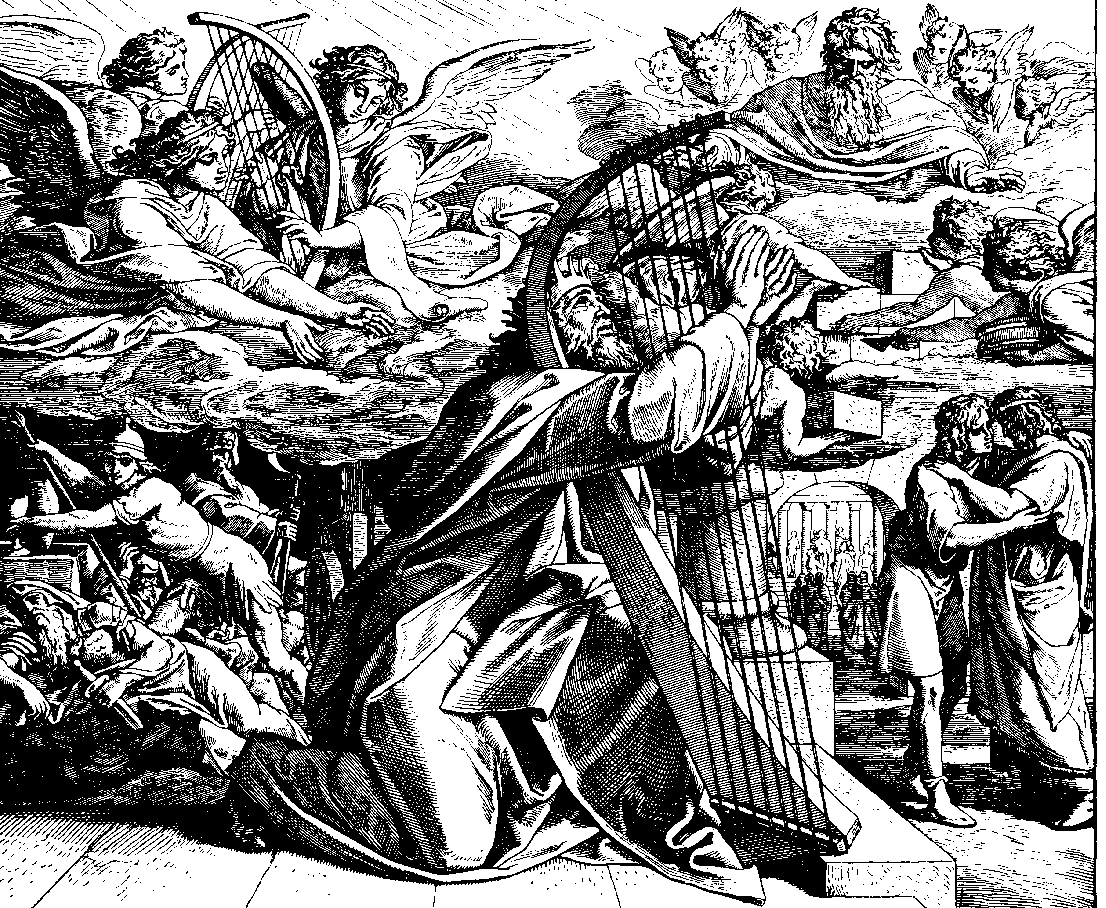
People pray for many reasons. Common purposes include petition (asking for help or provision), intercession (praying on behalf of others), thanksgiving and praise, confession and repentance, and meditative union or insight. Forms vary: spoken aloud, whispered, chanted, sung, silently held, or recited repeatedly as mantras or rosary beads.
- Petitionary — requests for assistance or change.
- Intercessory — asking on behalf of others.
- Praise and thanksgiving — acknowledgement of what is valued.
- Meditative and contemplative — calming the mind or seeking presence.
- Ritual and liturgical — set texts and seasonal forms used in worship.
Historical and cultural variation
Forms of prayer have been documented in the earliest literate records and have evolved with religious institutions. Liturgical traditions fixed set prayers for communal worship, while mystical and devotional movements emphasized silence, repetition, or emotional expression. Music and song often accompany prayer as an aid to memory and feeling; many communities keep a long heritage of hymnody and sung prayer (song).
Prayer in major religious traditions
Christian practice includes private prayer, corporate liturgy, and devotional sequences. The Gospel tradition attributes to Jesus the teaching of a model prayer known as the Lord's Prayer, which many Christians regularly recite. Catholic and Orthodox Christians also use devotions such as the Rosary, which repeats a sequence of prayers and meditations.
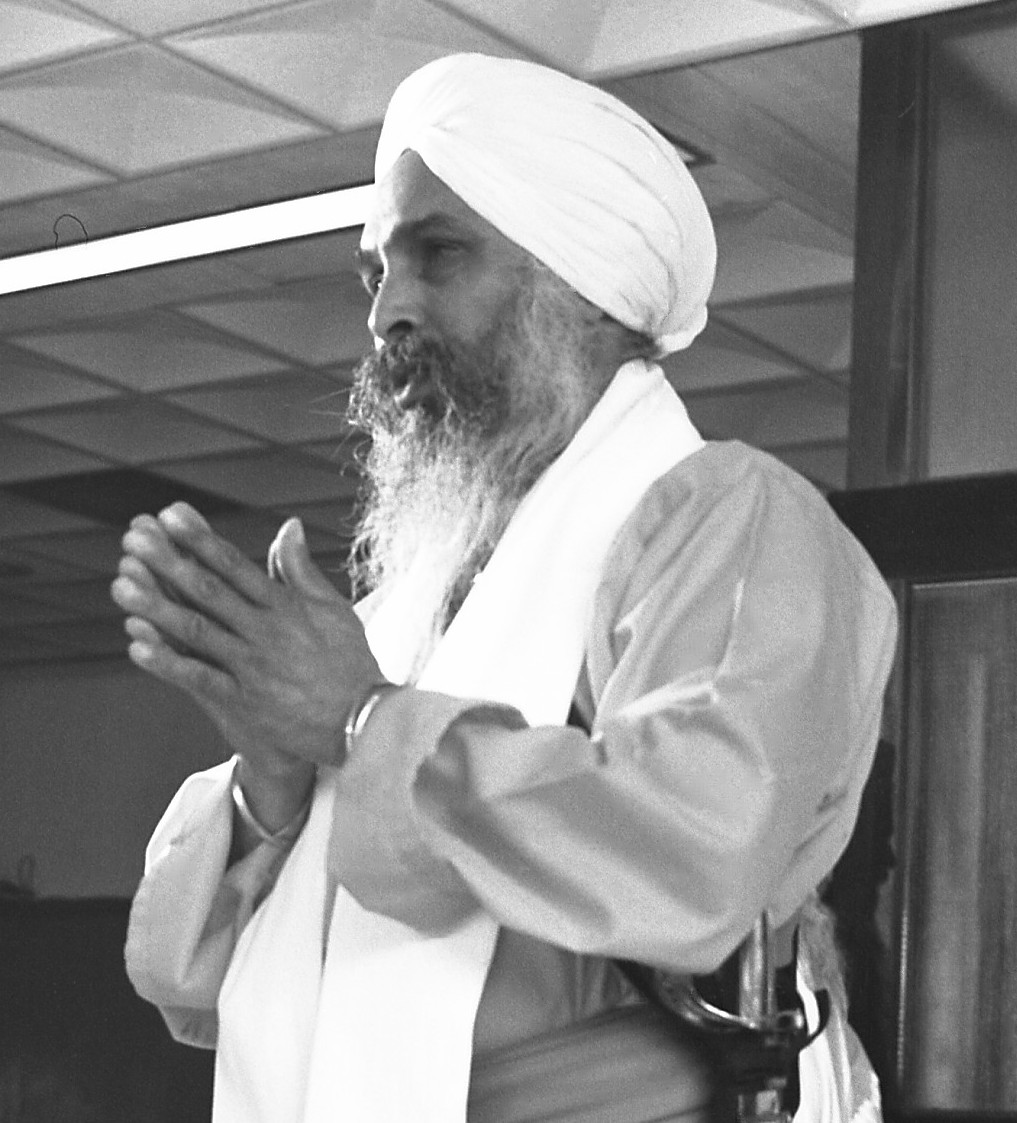
In Islam the prescribed five daily prayers, known as salat, structure communal and private life and combine recited texts with ritual movements. In Judaism, daily and additional prayers form part of synagogue worship and home practice. Hindu devotional practices include mantra repetition, ritual offerings and puja; see resources on Hinduism for background. Buddhist practice often emphasizes silent meditation and chant. Sikhism, Indigenous traditions, and many other systems have their own prayer forms and vocabularies.
Examples and practices
Some prayers are short and repeatedly used; others are long and occasion-specific. The Rosary provides a repetitive structure for reflection, while the communal recitation of the Lord's Prayer often appears in services. Prayers for forgiveness and help are common across traditions. Monastic communities often observe fixed hours of prayer, and pilgrimage sites may generate particular prayers and rituals.
Effects, study and debate
Believers report consolation, moral guidance, and communal bonding from prayer. Psychological and social research finds associations between regular prayer and well-being for some practitioners, although scientific study of specific outcomes—such as recovery from illness attributed to intercessory prayer—remains contested and methodologically challenging. Ethical debates also arise over petitionary prayer, consent, and expectations of divine action.
Contemporary adaptations
Modern life has introduced changes: translations, new musical settings, online and app-based prayer groups, and interfaith or secular adaptations that use prayer-like practices for reflection. Despite change, rituals that mark birth, illness, marriage and death often retain prayer as a central element, reflecting its continuing cultural and personal significance.
Conclusion
As both an individual practice and a social institution, prayer remains diverse in form and meaning. Whether understood as communication with the divine, a way to shape attention and emotion, or a ritual that binds communities, prayer continues to be a central element in many religious and cultural lives.
Related articles
Author
AlegsaOnline.com Prayer: forms, purposes, and traditions across religions Leandro Alegsa
URL: https://en.alegsaonline.com/art/78647