
Human body: structure, function, development and health
A concise overview of the human body's organization, major systems, development, functions, and health considerations, with distinctions and notable facts.
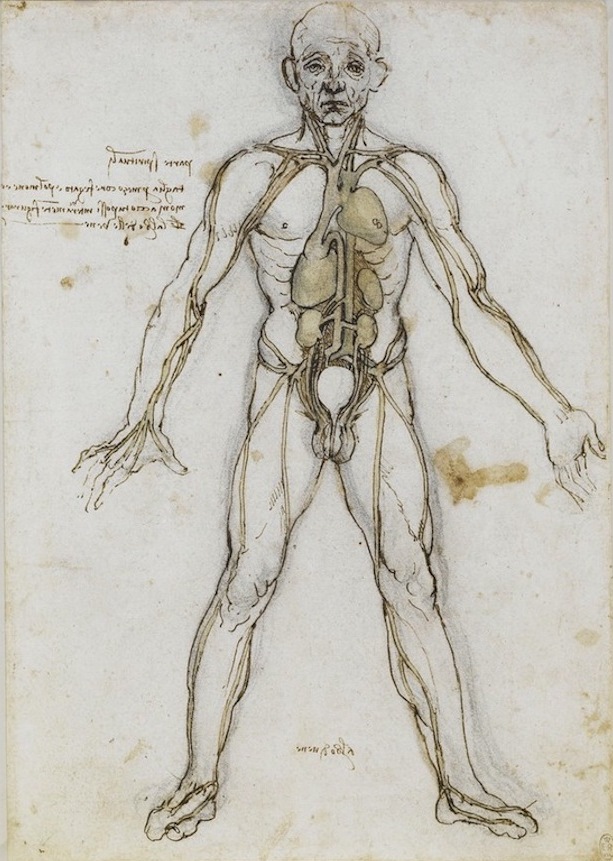
The human body is the organized physical structure of a person, composed of cells, tissues, organs and organ systems. It supports life by coordinating chemical, mechanical and electrical processes. At the smallest level are cells, which combine into tissues; tissues form organs, and organs connect into systems that maintain the whole organism.
Image gallery
10 Images





Structure and major systems
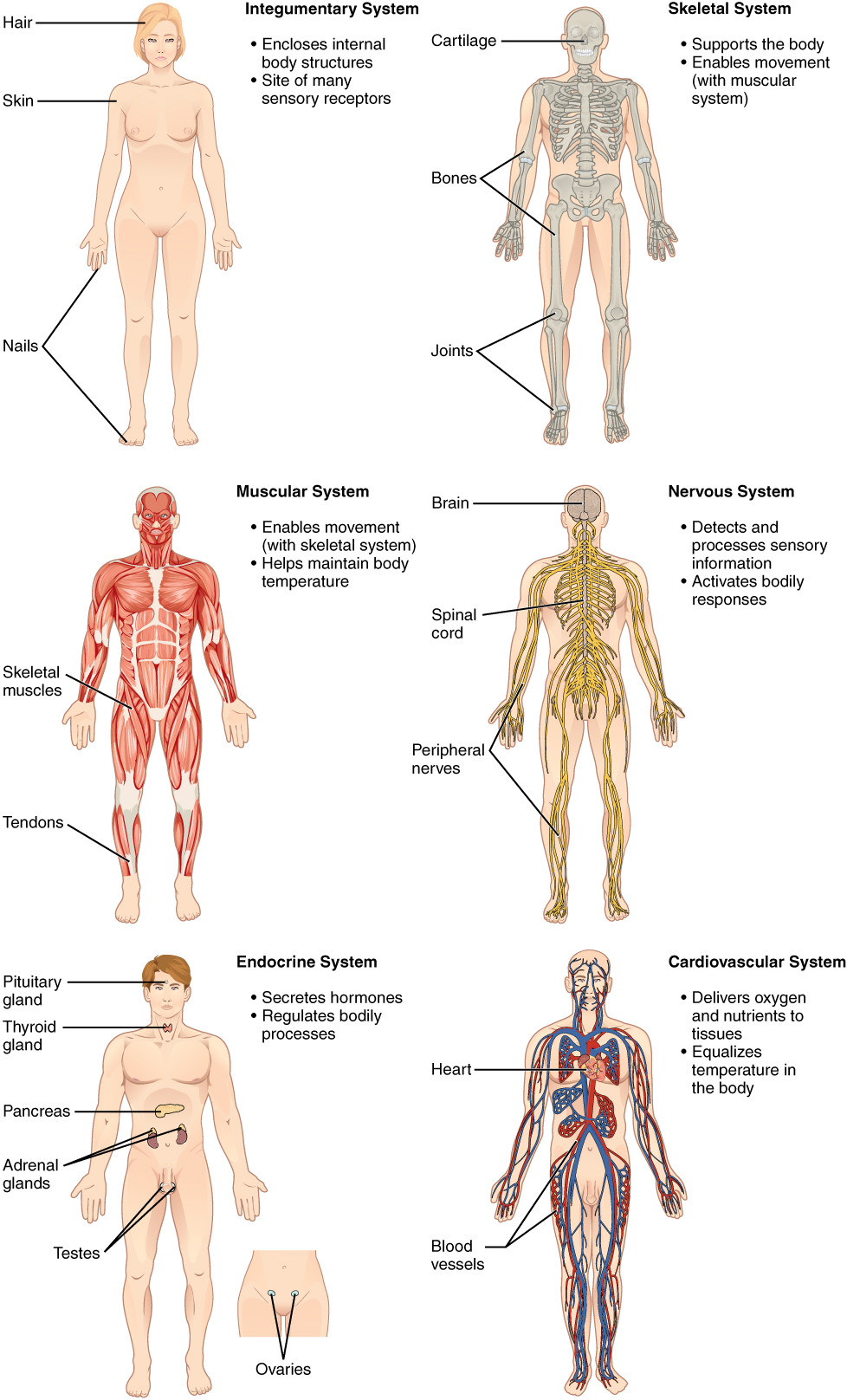
- Circulatory system: heart and blood vessels that transport oxygen, nutrients and waste.
- Respiratory system: lungs and airways for gas exchange.
- Nervous system: brain, spinal cord and nerves that sense and control.
- Musculoskeletal system: muscles, bones and joints enabling movement and support.
- Digestive, urinary, endocrine, immune and reproductive systems, each with distinct roles in metabolism, regulation and continuation of the species. See also system summaries.
These systems interact continuously: for example, the nervous and endocrine systems regulate metabolism and behavior, while the circulatory system delivers hormones and immune cells. Structural features like skin protect internal tissues, and specialized organs carry out complex biochemical tasks.
Development and evolutionary background
Human bodies develop from a single fertilized cell through embryonic stages, fetal growth and postnatal maturation. Genetic instructions guide differentiation of cells into specialized types. Over evolutionary time, the human body acquired traits such as upright posture, large brain size relative to body mass, and fine motor control in the hands.
Function, importance and everyday examples
The body maintains homeostasis (stable internal conditions), enables movement, perception, thought and reproduction. Everyday activities—walking, speaking, digesting food, and healing minor injuries—illustrate coordinated system function. Physical fitness, nutrition and sleep strongly influence performance and resilience.
Health, injury and death
Health depends on proper structure and function; disease or trauma can impair organs or systems. Injury can be localized or systemic, and chronic illnesses may disrupt regulation. When biological processes irreversibly fail, the body ceases to function—this state is commonly referred to as death.
- Notable facts: the human body contains trillions of cells and relies on continuous cell turnover.
- Medical sciences study body systems to treat disease and improve health through prevention and rehabilitation.
Related articles
Author
AlegsaOnline.com Human body: structure, function, development and health Leandro Alegsa
URL: https://en.alegsaonline.com/art/45641