
Sikhism: Beliefs, History, Practices and Institutions
Sikhism is a Dharmic religion founded in the Punjab region in the 15th century. It emphasizes devotion to one formless God, equality, community service, the teachings of the Gurus and the Guru Granth Sahib.
Overview
Sikhism, often called Sikhī or Sikh Dharma, is a religious tradition that developed in the northern part of the Indian subcontinent and later in what is now India. The name derives from an Indic root meaning "disciple" or "learner" and the community of believers are known as Sikhs. Originating in a region shaped by multiple religious streams, Sikhism is commonly grouped with other Dharmic or Indic traditions such as Jainism, Buddhism and Hinduism, yet it has distinctive doctrines, institutions and practices. Its core teachings stress remembrance of the one formless Divine, ethical conduct, and social equality.
Image gallery
10 Images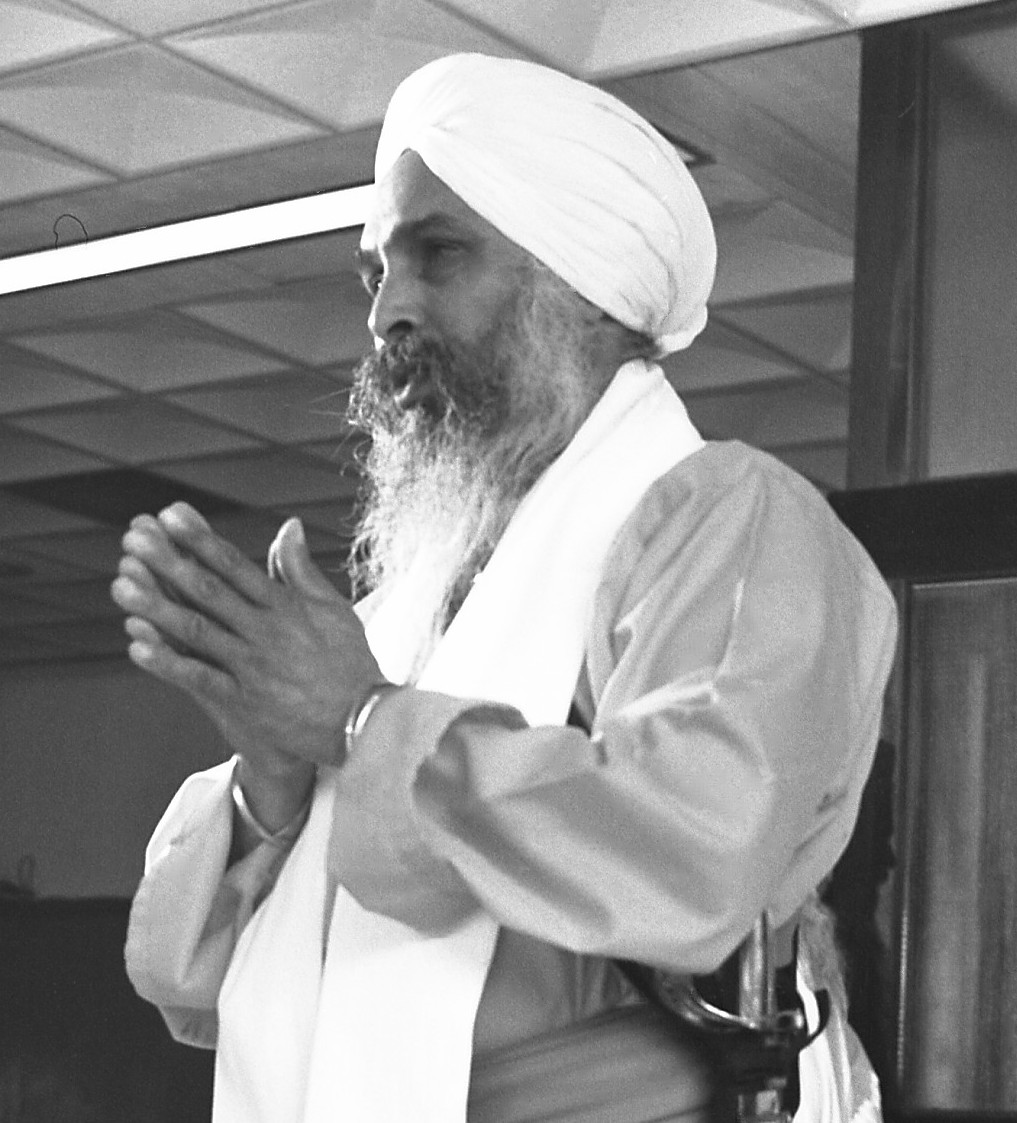




Origins and early history
The faith emerged in the late fifteenth century around the teaching and example of its founder, Guru Nanak, who is historically dated to the period often referenced by the anchor year c. 1469. Guru Nanak and the succession of nine human Gurus who followed him articulated a spiritual vision grounded in devotional poetry, moral discipline and rejection of caste-based discrimination. The Sikh movement consolidated most visibly in the Punjab region, where it developed distinct communal institutions and ritual forms.
Scripture and the Gurus
The central scripture of Sikhism is the Adi Guru Granth Sahib, commonly called the Guru Granth Sahib. This scripture is a compilation of hymns and devotional compositions by the Sikh Gurus together with selected poets and saints from surrounding religious traditions. The language and many technical terms used in Sikh liturgy derive from classical Indic languages, notably Sanskrit, while the community uses the Gurmukhi script for much of its writing and liturgy. In 1708 the tenth Guru invested the scripture with the role of the eternal Guru, asking Sikhs to accept the Granth as their guiding authority rather than appoint another human successor.
Core beliefs and ethics
At the heart of Sikh belief is a devotion to one formless, timeless Divine who is both transcendent and immanent. Religious practice emphasizes three interrelated duties: remembrance of God (simran), honest work and livelihood (kirat karō), and sharing with others (vand chhakō). Sikhs are taught to oppose ritualism that divides people and to affirm the equal dignity of all human beings regardless of caste, gender or background. Compassion, truthfulness and service to others (seva) are central ethical commitments.
Community life, worship and institutions
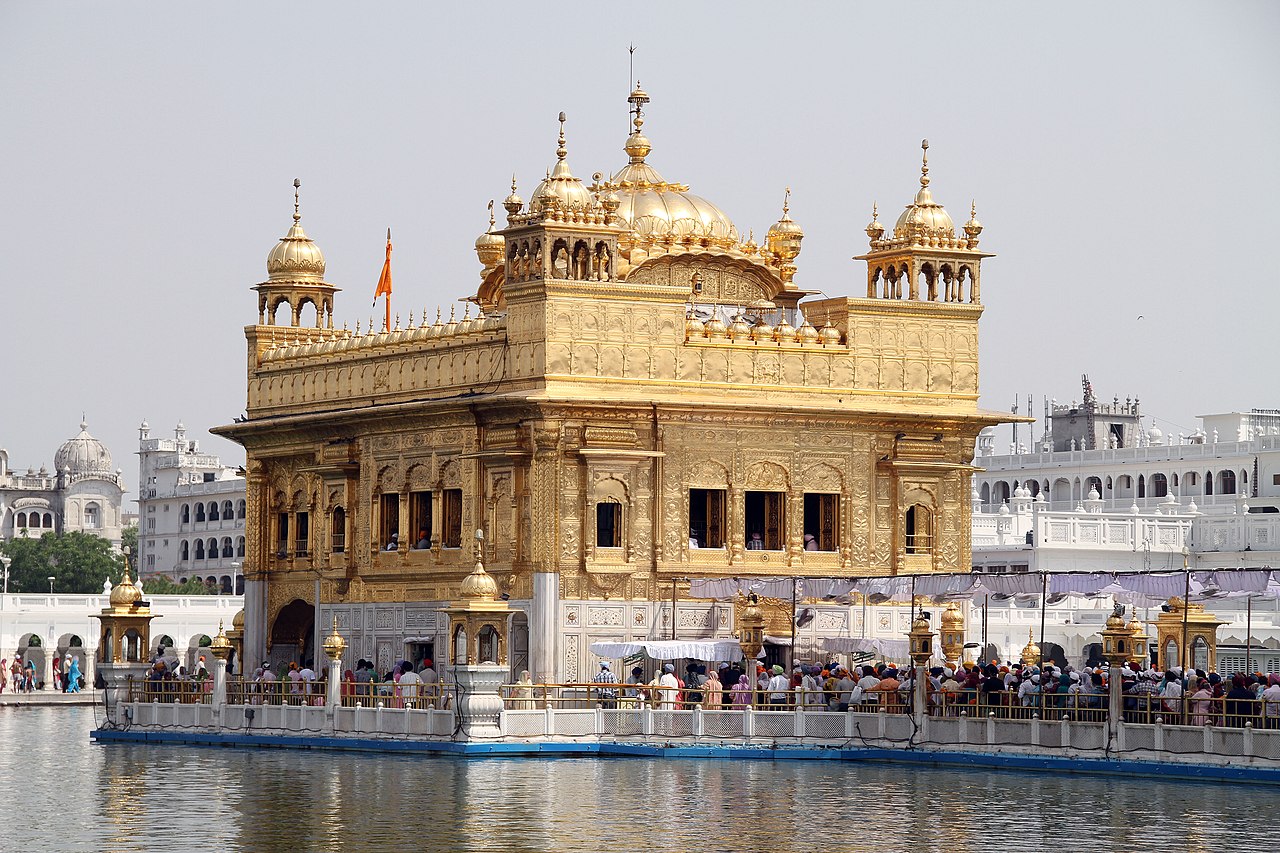
Sikh communal worship principally takes place in a gurdwara, a house of assembly where the Guru Granth Sahib is installed, read and sung. Services include congregational singing of hymns, scriptural readings and communal prayer. A defining institutional practice is the langar, a community kitchen where free meals are served to all visitors, symbolizing fellowship and equality. Gurdwaras also serve as centres for education, dispute resolution and social support.
The Khalsa and external identity
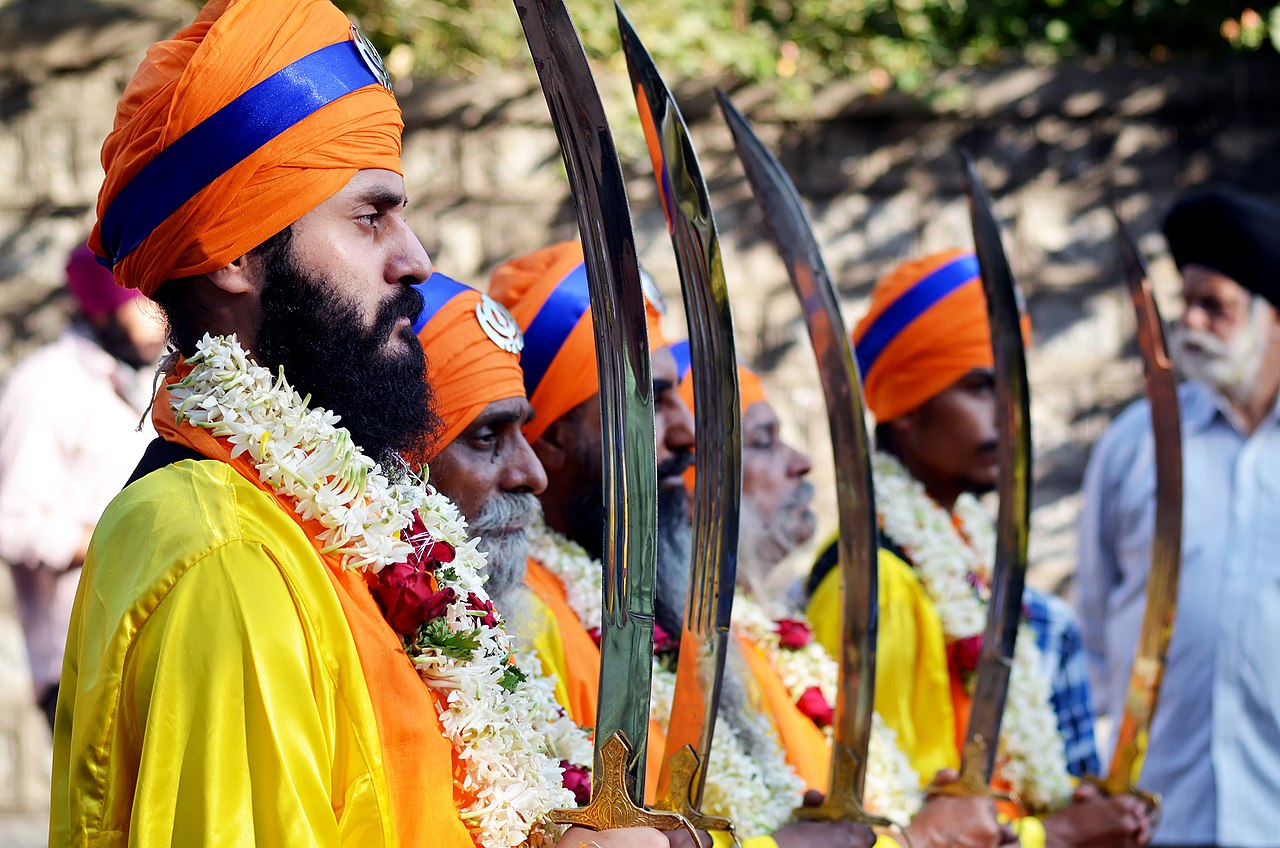
In 1699 the tenth Guru established the Khalsa, an initiated community committed to discipline, courage and a public identity. Members of the Khalsa are given an initiation ceremony and are expected to observe the five external articles of faith, commonly called the "5 Ks":
- Kesh — uncut hair
- Kanga — a small comb
- Kara — a steel bracelet
- Kachera — a particular style of undergarment
- Kirpan — a small ceremonial sword or dagger
Many Sikhs also wear a head covering or dastaar (turban), a visible symbol of dignity and religious commitment for those who maintain uncut hair.
Scripture, language and music
The Guru Granth Sahib is organized principally by melodic measure and poetic metre rather than by the sort of narrative structure found in other scriptures. Its hymns (shabads) are sung in devotional musical settings that are integral to worship. Sikh liturgical language draws on Punjabi and regional vernaculars while also incorporating forms and vocabulary from older Indic languages. Musical performance, poetic form and the scriptural text together form the core of public devotion and private meditation.
Festivals and life-cycle rites
Major observances in Sikh life include the commemoration of the founding of the Khalsa on Vaisakhi, and other dates associated with the Gurus. Life-cycle ceremonies — naming, marriage, and funerary observances — are anchored in scripture and community custom, designed to mark transitions while underscoring communal support and moral responsibility.
Demographics, diaspora and contemporary presence
Sikh communities are concentrated in Punjab but have formed significant diasporas across the world, notably in North America, the United Kingdom, East Africa and Australia. These communities maintain religious and social institutions—gurdwaras, schools and cultural centres—that transmit language, rituals and identity to new generations. On global lists of world religions, Sikhism is commonly counted among the larger organized faiths alongside traditions such as Christianity and Islam; various sources provide differing estimates of adherent numbers and distribution, and readers may consult demographic and comparative studies for precise figures.
Distinctive teachings and modern relevance
Sikhism combines mystical devotion with a strong emphasis on social justice and public service. The tradition historically incorporated the writings of holy persons from diverse backgrounds into its scripture, underscoring a commitment to spiritual insight across communal boundaries. In modern public life Sikhs are active in many fields—agriculture, industry, public service, the arts and academia—and the religion's teachings continue to inform debates about pluralism, religious freedom and social equality.
Further reading and resources
For accessible introductions to language and culture see materials on Punjabi literary traditions. For discussions of Sikh interactions with neighboring faiths, consult comparative studies that treat Sikhism in the context of the classical Indic religious milieu. To understand Sikhism's place among the world's faiths, reviewers of global religious rankings and historical surveys can be consulted via sources indicated under global religion lists. Primary community resources and historical repositories, including archival materials about the Gurus and the Khalsa, are maintained by institutional libraries and gurdwaras; local gurdwaras often offer guided introductions for visitors and newcomers. For general historical context consult overviews of religion in South Asia and modern studies of diaspora communities prepared by scholars and community institutions.
Readers seeking to experience Sikh communal life directly are encouraged to visit a gurdwara, where hospitality through langar is extended to all, and to consult reputable academic and community resources for further reading and study. For concise introductions on biography and doctrine see recommended institutional guides and scholarly surveys of Sikh history and practice. Buddhist comparative materials and Jain comparative materials may be useful for readers interested in cross-traditional perspectives.
Historical study of the Sikh Gurus, the compilation of the Guru Granth Sahib, and the social reforms associated with the tradition remain active areas of scholarship; public engagement with these themes continues to shape how Sikh identity and practice are understood in diverse contemporary settings. For narrative histories and textual studies, specialized monographs and articles provide detailed context and interpretation for students and general readers alike.
Questions and answers
Q: What is Sikhism?
A: Sikhism is a religion originally from India. It is one of the 5 Dharmic faiths or Indic Faiths which means it was originated in Indian Subcontinent and whose followers are called "Sikhs".
Q: Where does the word 'Sikh' come from?
A: The word 'Sikh' comes from the Sanskrit root śiṣya meaning disciple, or śikṣa meaning instruction.
Q: What is the holy book of Sikhism?
A: The holy book of Sikhism is the Adi Guru Granth Sahib Ji. Guru is the word for teacher in Sanskrit while Granth is the word for book, scripture or text in Sanskrit.
Q: How many people follow Sikhism?
A: An estimated 180 million people are followers of Sikhism, making it the fifth largest organized religion in the world just after Christianity, Islam, Hinduism and Buddhism.
Q: Where can this religion be practiced?
A: This religion can be practiced mainly in South Asia.
Q: Who brought this faith to life? A: This faith was brought to life around 1469 by Guru Nanak Dev, who was also known as one of "Ten Gurus". He inspired and uplifted humankind to live a life of truth, righteousness and spirituality through his Hymns and Prayers (Shabads).
Q: What ceremony did Guru Gobind Singh establish on Vaisakhi day?
A: On Vaisakhi day ,Guru Gobind Singh established Khande di Pahul baptism ceremony where Sikhs were initiated into Khalsa and were required to keep 5 Ks which are articles of faith .
Tags
Related articles
Author
AlegsaOnline.com Sikhism: Beliefs, History, Practices and Institutions Leandro Alegsa
URL: https://en.alegsaonline.com/art/90363
Sources
- books.google.com : Agree to Differ
- bbc.co.uk : Sikhism at a glance: Sikhism
- dx.doi.org : "Atlantic multidecadal oscillation and its manifestations in the Atlantic-European region"
- doi.org : 10.1007/s11110-008-9020-8
- worldcat.org : 0928-5105