
Sierra Nevada (United States)
Major mountain range in eastern California. Home to Mount Whitney, extensive granite formations, major snowpack and rivers, Yosemite and Sequoia parks, important for water, ecology, and recreation.
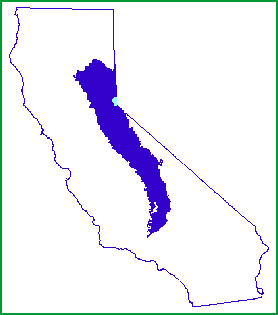
For the mountain range in southern Spain, see Sierra Nevada (Spain). The Sierra Nevada in the United States—sometimes called the Sierra or the Sierras—is a prominent chain of mountains that rises along the eastern side of California and forms a major physical barrier between the Central Valley and the Great Basin. Its Spanish name literally means "snowy range," a nod to the seasonal snowpack that feeds rivers and reservoirs.
Image gallery
10 Images






Overview and extent
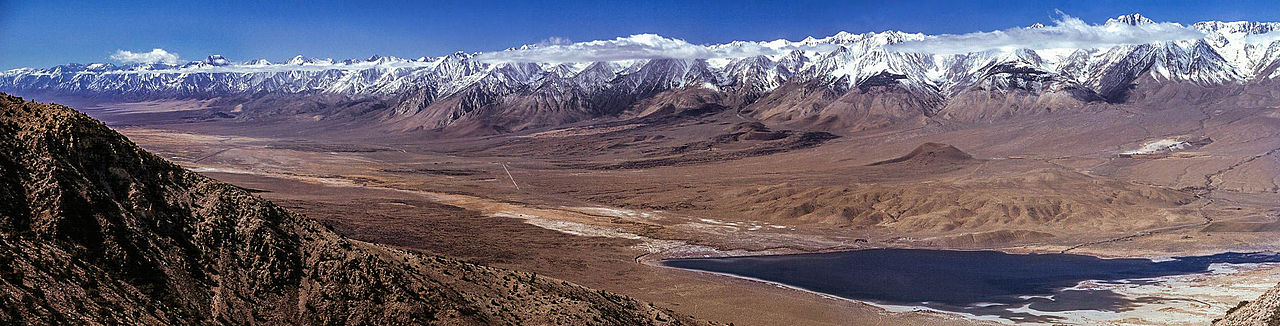
The range stretches for several hundred miles in a generally north–south direction and includes long, steep western slopes and a more gradual eastern escarpment. Much of the high country is composed of durable granitic rock and a jagged ridge known as the Sierra Crest. The highest point is Mount Whitney (14,505 ft), which is also the tallest peak in the contiguous United States.
Characteristics
- Geology: Dominated by a Mesozoic granitic batholith uplifted by tectonic forces and sculpted by Pleistocene glaciers.
- Hydrology: Seasonal snowpack stores water that melts into rivers and reservoirs critical to California’s agriculture and cities.
- Elevation zones: From oak-studded foothills up through mixed-conifer forests to alpine meadows and barren rock at the highest elevations.
The geology and glacial history created many of the dramatic landforms associated with the Sierra: steep cliffs, cirques, U-shaped valleys and numerous high-elevation lakes. These features draw scientists and visitors alike to study and enjoy the landscape.
History, people, and conservation
Indigenous peoples inhabited the Sierra for millennia, relying on seasonal resources in the foothills and high country. Euro-American contact accelerated with the 19th-century Gold Rush, which brought miners and led to environmental changes in the foothills. The region also played a central role in the American conservation movement: naturalists and advocates pushed to protect areas that later became protected units, including Yosemite, Sequoia, and Kings Canyon national parks.
Today the Sierra contains major protected tracts, national forests, and wilderness areas managed for both conservation and public use. Its scenic and scientific importance has inspired ongoing efforts to balance water supply, timber management, recreation, and habitat protection.
Uses, recreation, and notable facts
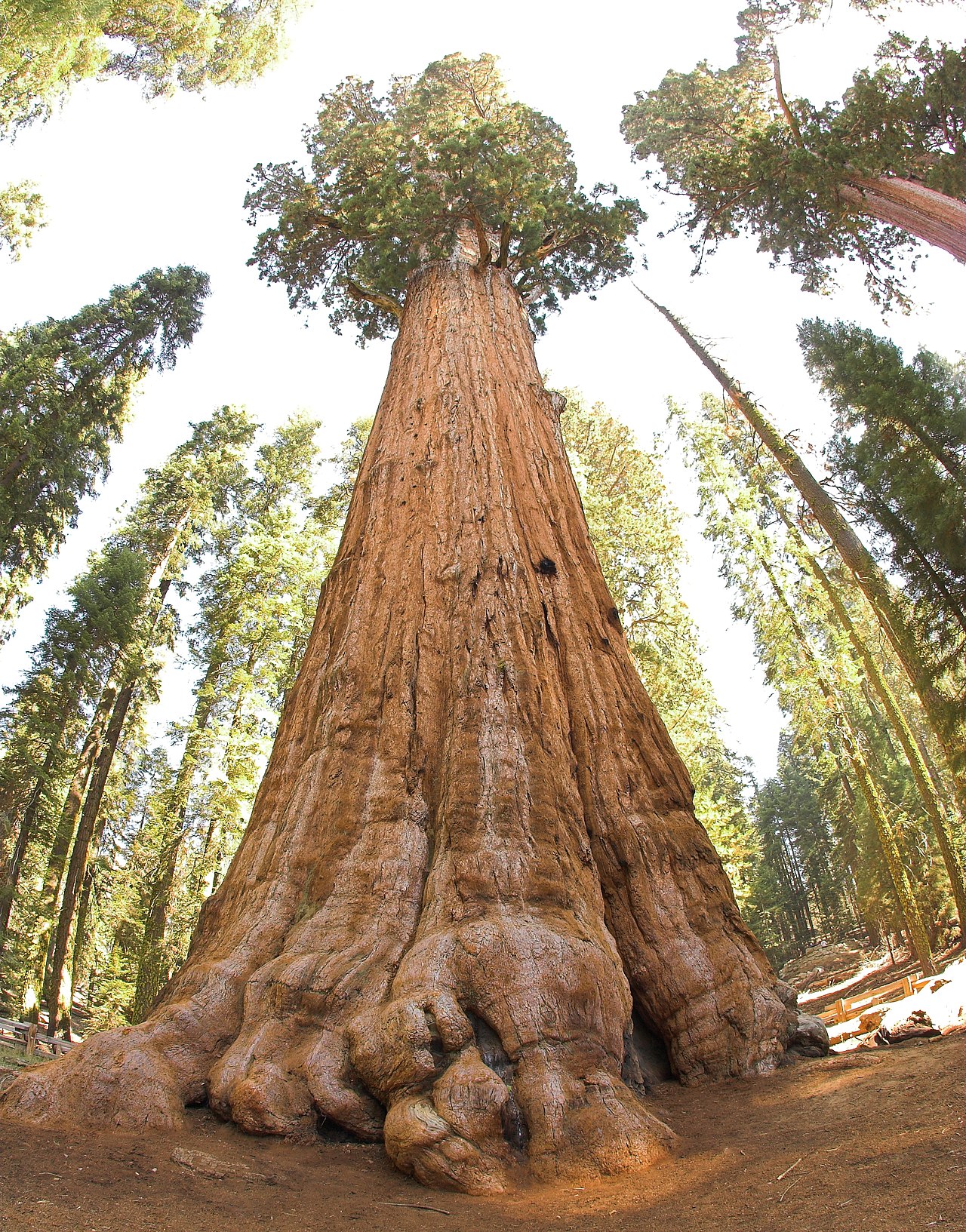
Outdoor activities are a major part of the Sierra’s modern identity: backpacking on routes such as the John Muir Trail, climbing, downhill and cross-country skiing at high-elevation resorts, fishing in alpine lakes, and winter sports around the Lake Tahoe area. The range supplies crucial runoff for irrigation and hydropower, while also harboring distinctive ecosystems including groves of giant sequoias and endemic wildlife like the Sierra Nevada bighorn sheep. For maps and additional regional information see range maps and guides or resources on the Spanish term and naming conventions at Spanish-language references.
As a defining feature of western North America, the Sierra Nevada continues to be studied for its geology, climate role as a water reservoir, and its cultural significance to the people of California and the broader United States.
Related articles
Author
AlegsaOnline.com Sierra Nevada (United States) Leandro Alegsa
URL: https://en.alegsaonline.com/art/90286