
Bauxite: the principal ore of aluminium
Bauxite is the primary source of aluminium. This article explains its composition, how and where it forms, its industrial processing, uses, and environmental issues associated with extraction and refining.
Bauxite is the principal ore used to produce aluminium. It is not a single mineral but a mixture of aluminium-bearing minerals and impurities, dominated by forms of aluminium oxide and hydroxides. Bauxite deposits are the feedstock for alumina refineries, which extract alumina (aluminium oxide) before smelting metal.
Image gallery
10 Images
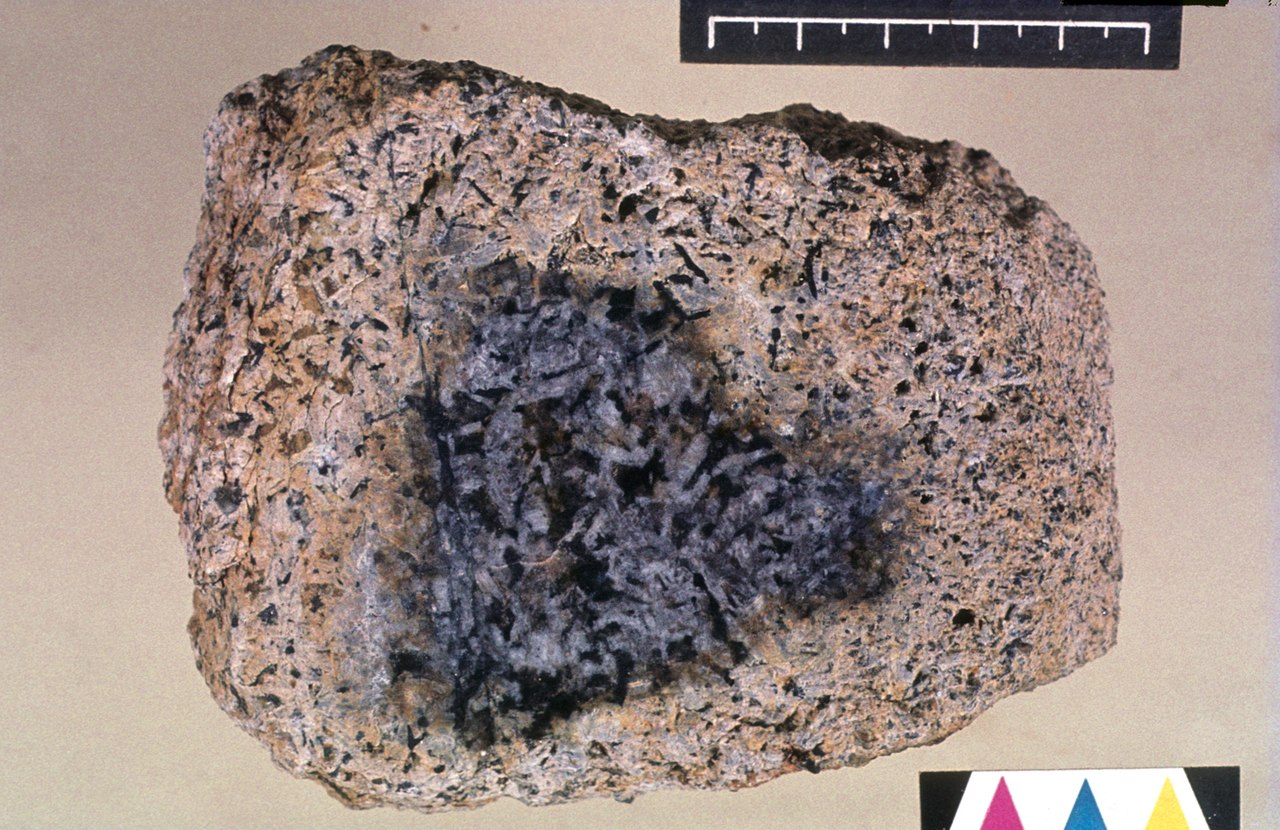


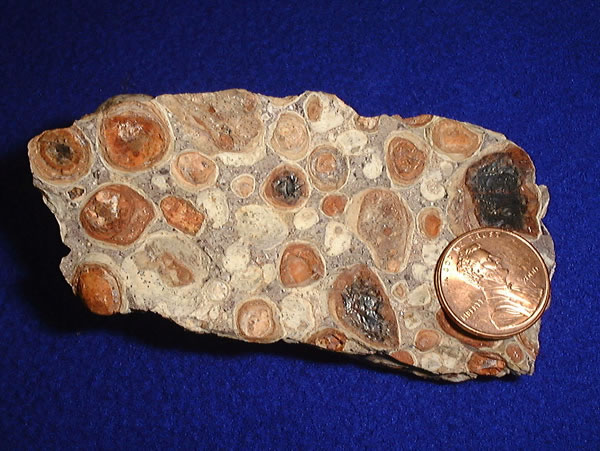
Composition and appearance
Typical bauxite contains a combination of aluminium hydroxides such as gibbsite, boehmite and diaspore, together with iron oxides like goethite and hematite. Common gangue minerals include kaolinite and traces of titanium dioxide such as anatase. Grain size, colour and hardness vary with genesis and impurity content; colours range from white and tan to reddish brown.
Formation and major deposits
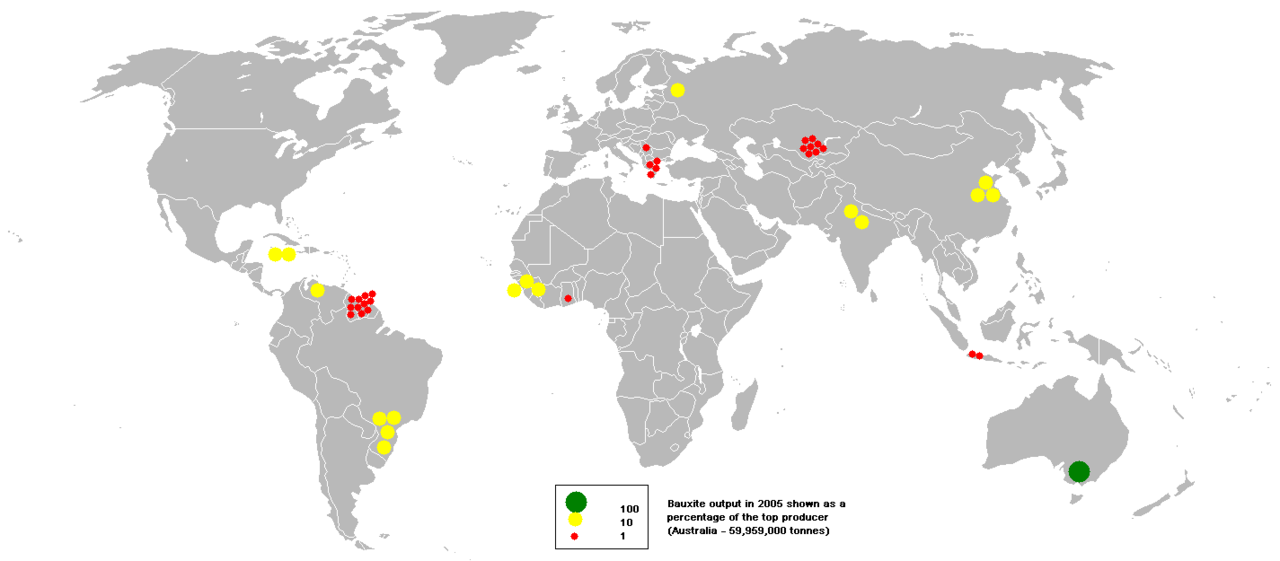
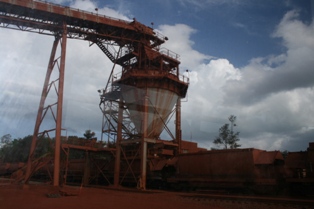
Bauxite forms primarily by intense chemical weathering of alumina-rich rocks in tropical and subtropical climates. Two main deposit types are lateritic (from prolonged weathering of silicate rocks) and karstic (formed in carbonate terrains). Major producing countries include Australia, Brazil, China and India, and historically significant deposits were first described near Les Baux-de-Provence, where Pierre Berthier identified the rock in 1821. Large open-pit operations are typical where ore bodies are shallow.
Processing and uses
Industrial processing separates alumina from impurities, most commonly by caustic leaching (the Bayer process) which dissolves aluminium compounds and leaves a solid residue known as red mud. The recovered alumina is then converted to metal by electrolysis in the Hall–Héroult process. The vast majority of bauxite is consumed for aluminium production; smaller amounts are used in abrasives, refractory materials and as raw material in certain chemicals and cement additives.
Environmental and economic aspects
Bauxite mining and refining have environmental footprints: land clearing for pits, handling and disposal of red mud, and energy-intensive smelting that produces greenhouse gases. Responsible practices include progressive rehabilitation of mined land, red mud treatment or reuse, and energy efficiency in refining and smelting. Bauxite remains economically important because aluminium is lightweight, recyclable and central to transportation, packaging and construction.
Notable facts
- Bauxite is mined by surface methods in most deposits and then upgraded for alumina extraction.
- Its name reflects its place of discovery at Les Baux-de-Provence and early 19th-century study by Berthier.
- Large, modern producers include Australia, Brazil, China and India; reserves and trade patterns affect aluminium prices globally.
Questions and answers
Q: What is bauxite?
A: Bauxite is the main ore of aluminium.
Q: What is bauxite mostly made up of?
A: Bauxite is mostly aluminium oxide.
Q: What are the minerals found in bauxite?
A: Bauxite is largely made up of the minerals Gibbsite Al(OH)3, Boehmite γ-AlO(OH), and Diaspore α-AlO(OH), together with the iron oxides Goethite and Hematite, the clay mineral Kaolinite and small amounts of Anatase TiO2.
Q: Who discovered bauxite and where?
A: Bauxite was first discovered in 1821 by geologist Pierre Berthier in the village Les Baux-de-Provence in southern France.
Q: What are the four biggest producers of bauxite?
A: The four biggest producers of bauxite are Australia, Brazil, China and India.
Q: Why was bauxite named after the village Les Baux-de-Provence?
A: Bauxite was named after the village Les Baux-de-Provence where it was first discovered.
Q: Why is bauxite important?
A: Bauxite is the most important aluminium ore.
Related articles
Author
AlegsaOnline.com Bauxite: the principal ore of aluminium Leandro Alegsa
URL: https://en.alegsaonline.com/art/9640