
Sikasso Region: geography, history, economy and major towns
Sikasso Region in southern Mali is a fertile, populous area centered on the city of Sikasso. This article summarizes its geography, history, economy, major towns and contemporary challenges.
Overview
The Sikasso Region lies in the southernmost part of Mali and is known for its relatively high rainfall, agricultural productivity and ethnic diversity. Its administrative capital, Sikasso, is the country’s second largest city and a regional hub for trade, services and transport. The region combines forested zones and savanna and forms an important link with neighbouring countries.
Image gallery
1 Image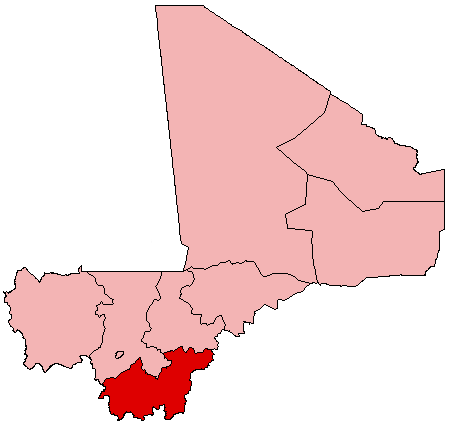
Geography and environment
Sikasso occupies a transition zone between the drier Sahel to the north and more humid areas to the south. Soils and climate support a wide range of crops and natural vegetation. Rivers and seasonal streams traverse the landscape, and the region’s higher rainfall compared with central and northern Mali makes it a key agricultural area in the country.
History
The area has a long pre-colonial and colonial history, including powerful local kingdoms that influenced trade and politics in the late 19th century. French colonial rule reconfigured administration and land use, and after independence the region continued to develop as an agricultural and commercial centre. More recently, regional dynamics and crises in neighbouring countries have affected migration and urban growth.
Economy and society
Agriculture is the backbone of the regional economy: farmers grow cereals, legumes and commercial crops adapted to the climate. Cotton production and market-oriented farming are particularly important in some districts. Livestock rearing, local crafts and trading in regional markets also support livelihoods. The population includes several ethnic groups with distinct languages, cultural practices and farming methods.
Cities, towns and administration
Besides the regional capital Sikasso, other principal towns include:
- Bougouni — an agricultural market town
- Koutiala — known for its cotton-producing hinterland and commercial activity
- Smaller towns and rural communes that serve as local service centres
Contemporary issues and importance
The region plays a central role in national food production and cross-border trade. It has experienced urban growth from internal migration and inflows of people fleeing instability in neighbouring states, which has increased demand for housing, services and infrastructure. Development challenges include improving rural livelihoods, managing natural resources, expanding education and health services, and strengthening transport links to support markets.
For further official or detailed information about the area consult regional resources or administrative portals: regional information and city data.
Related articles
Author
AlegsaOnline.com Sikasso Region: geography, history, economy and major towns Leandro Alegsa
URL: https://en.alegsaonline.com/art/90358
Sources
- instat.gov.ml : Resultats Provisoires RGPH 2009 (Région de Sikasso)