
Sierra Nevada (Spain): high mountains of Andalusia
A mountainous massif in Andalusia, Spain, home to Mulhacén (3,479 m), diverse climates and endemic species, a national park, and a year-round destination for skiing, hiking and traditional mountain villages.
Overview
The name Sierra Nevada literally means "snowy range". It is a prominent mountain range in the southern Spanish region of Andalusia, in Spain. The range contains the highest point of continental Spain, Mulhacén, which rises to about 3,479 m. Despite its latitude near the Mediterranean coast, its altitude creates permanent seasonal snow at the highest elevations and strong vertical ecological contrasts.
Image gallery
10 Images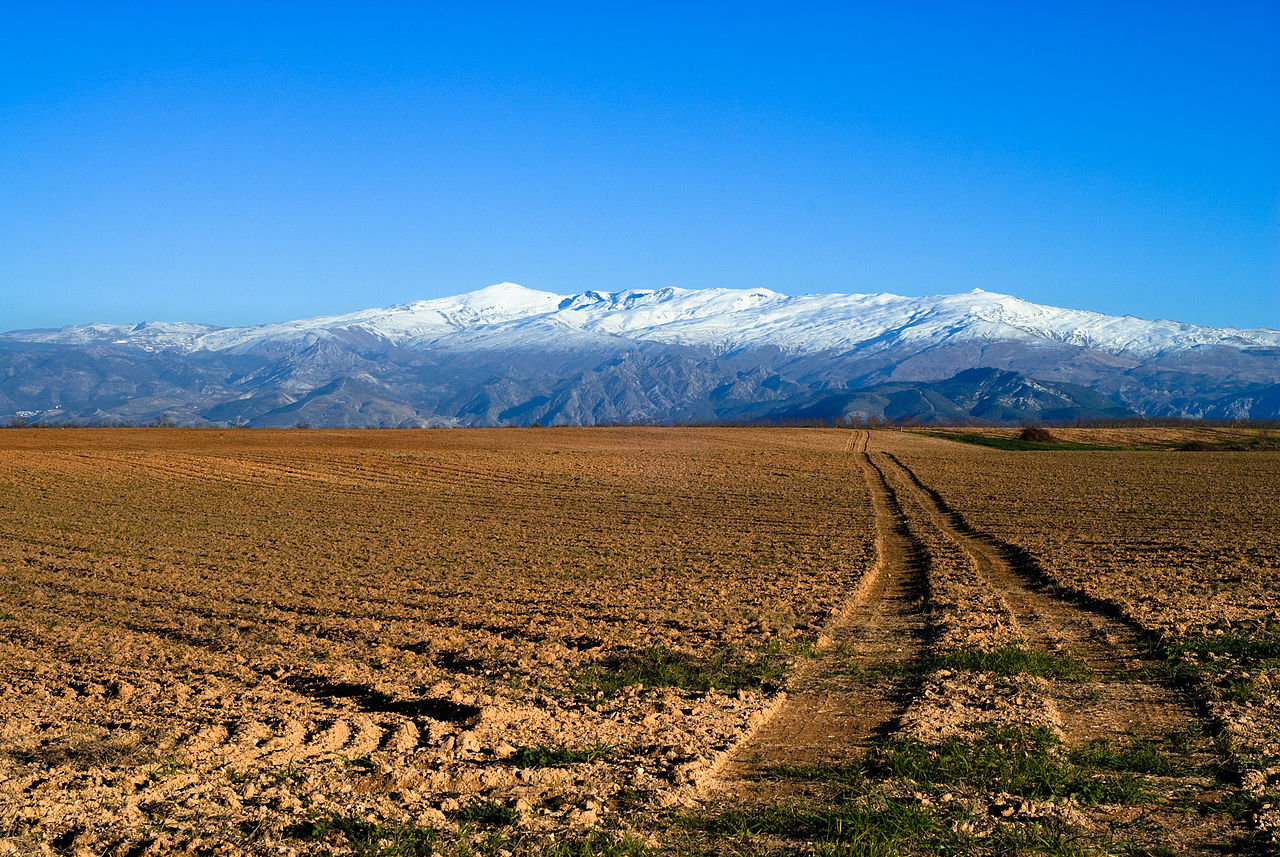




Geography and notable peaks
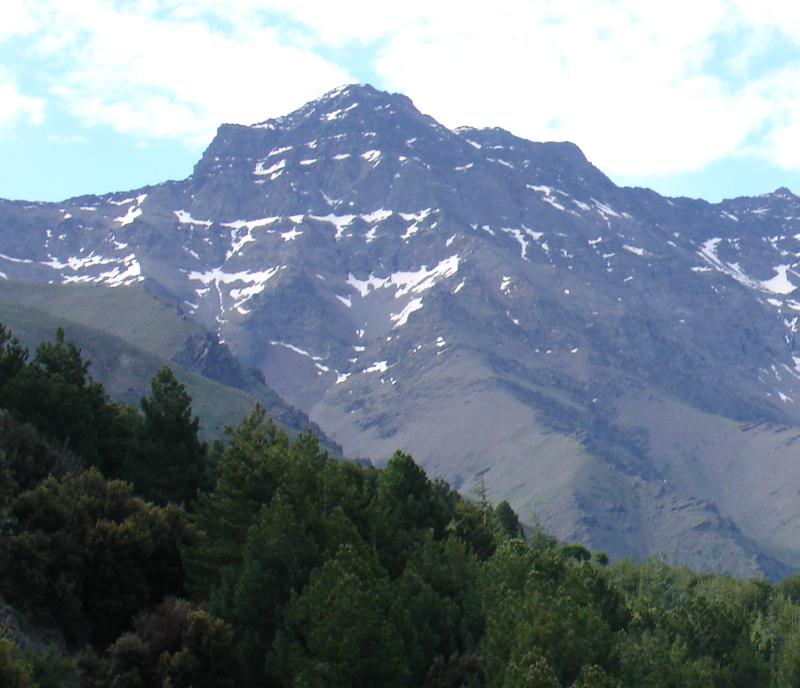
The Sierra Nevada forms a compact massif with steep slopes that descend toward the sea. Its rocky ridges and high plateaus are cut by deep valleys and glacial cirques. The better-known summits include Mulhacén, Pico Veleta and Alcazaba; together they form a skyline of rounded granite peaks and scree slopes. The range lies inland from the Mediterranean Sea, and at its feet are important urban and rural centres such as the city of Granada and, further afield, Málaga and Almería.
Climate and biodiversity
Elevation produces a range of climates from Mediterranean at low levels to subalpine and alpine conditions near the summits. This gradient supports high biodiversity including many plant species found nowhere else in Spain. The contrast between warm coastal plains and cold high plateaus makes the Sierra Nevada an important area for migratory birds and endemic flora. The mountains are also valued for their water resources, supplying rivers and irrigation to adjacent valleys.
History, culture and villages
The Sierra Nevada has been inhabited for millennia and shows layers of cultural history from prehistoric shepherding to Roman and Moorish periods. Terraced agriculture and small mountain villages—especially in the Alpujarras on the southern slopes—preserve traditional crafts, architecture and farming practices rooted in the region's diverse climate zones.
Recreation, protection and notable facts
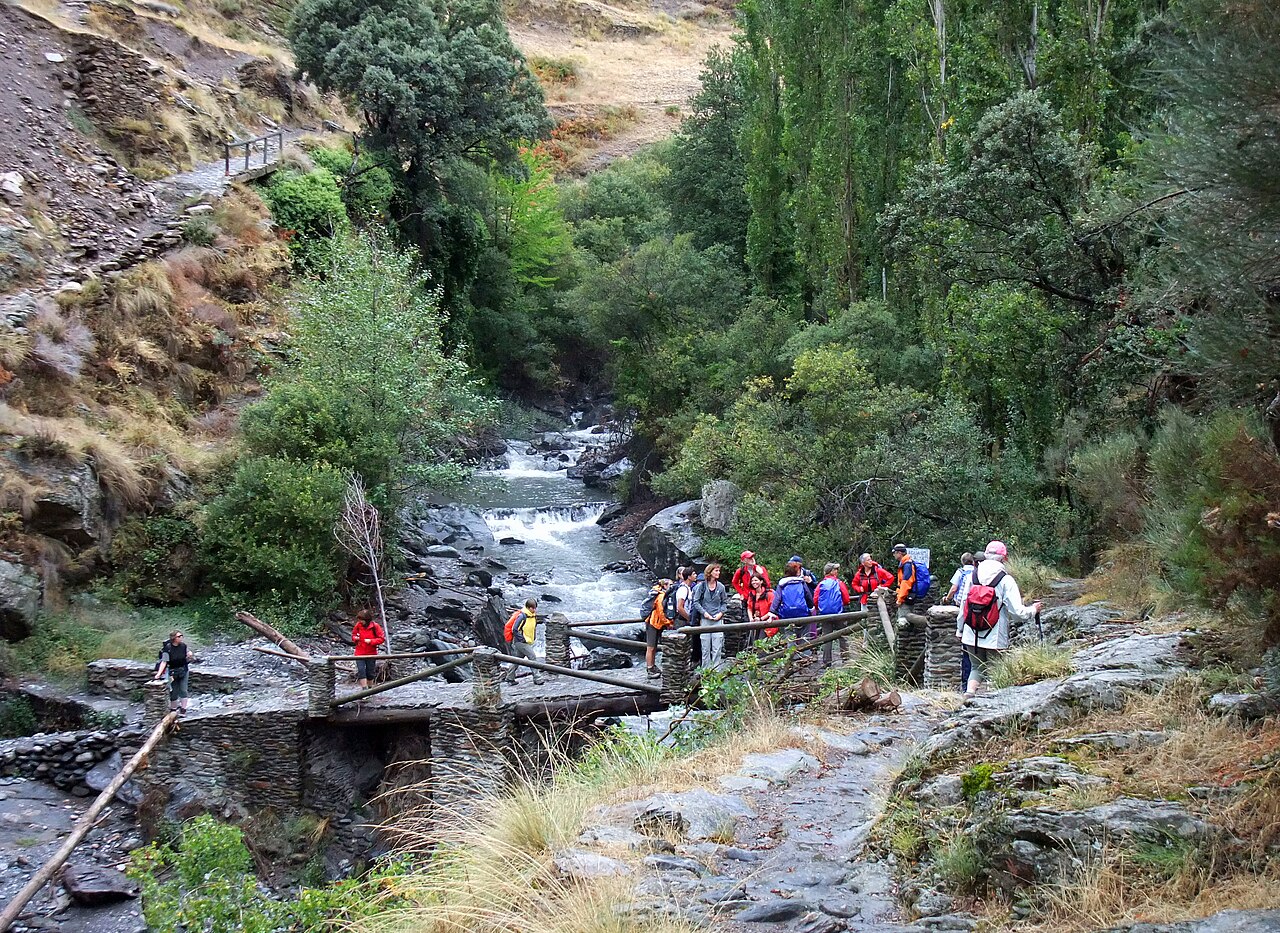
Recreation ranges from alpine skiing at one of Europe’s southernmost ski resorts to extensive summer hiking, mountain biking and scientific research. Winter facilities make skiing possible well into spring; the area is known as a year-round destination for outdoor activity and nature study. Tourism and mountain sports contribute to the regional economy while conservation measures protect habitats: the massif is designated a protected area and recognized for its ecological value. The Sierra Nevada remains an instructive example of how high mountains shape local climate, biodiversity and human life within a Mediterranean setting. For tourism information see regional resources and guides on visitor services and local maps; comparisons with other southern European resorts such as the Sierra Nevada ski area and even winter centres like the ski site on Crete highlight its unusual combination of latitude and altitude.
- Key summit: Mulhacén (3,479 m)
- Nearby urban gateway: Granada
- Coastal context: Mediterranean Sea
- Additional references and regional links: name, range, Andalusia, Spain, Málaga and Almería
Visitors and students of mountain environments will find the Sierra Nevada rewarding for its combination of high peaks, living cultural landscapes and important conservation values. For practical details consult local authorities and conservation organisations through regional portals and guides (national and tourist information).
Related articles
Author
AlegsaOnline.com Sierra Nevada (Spain): high mountains of Andalusia Leandro Alegsa
URL: https://en.alegsaonline.com/art/90285