
Siat — former municipality in Graubünden, Switzerland
Siat was a small, predominantly Romansh-speaking municipality in the Surselva district of Graubünden, Switzerland. In 2014 it merged with neighbouring communities to form the new municipality Ilanz/Glion.
Overview
Siat was a small municipality of the district of Surselva in the canton of Graubünden in Switzerland. Situated in a mountainous valley of eastern Switzerland, Siat was typical of many rural settlements in the region: compact village streets, alpine hamlets, and a landscape shaped by pastures and steep slopes. The community had a long local identity but only a small population and limited infrastructure compared with nearby towns.
Image gallery
4 Images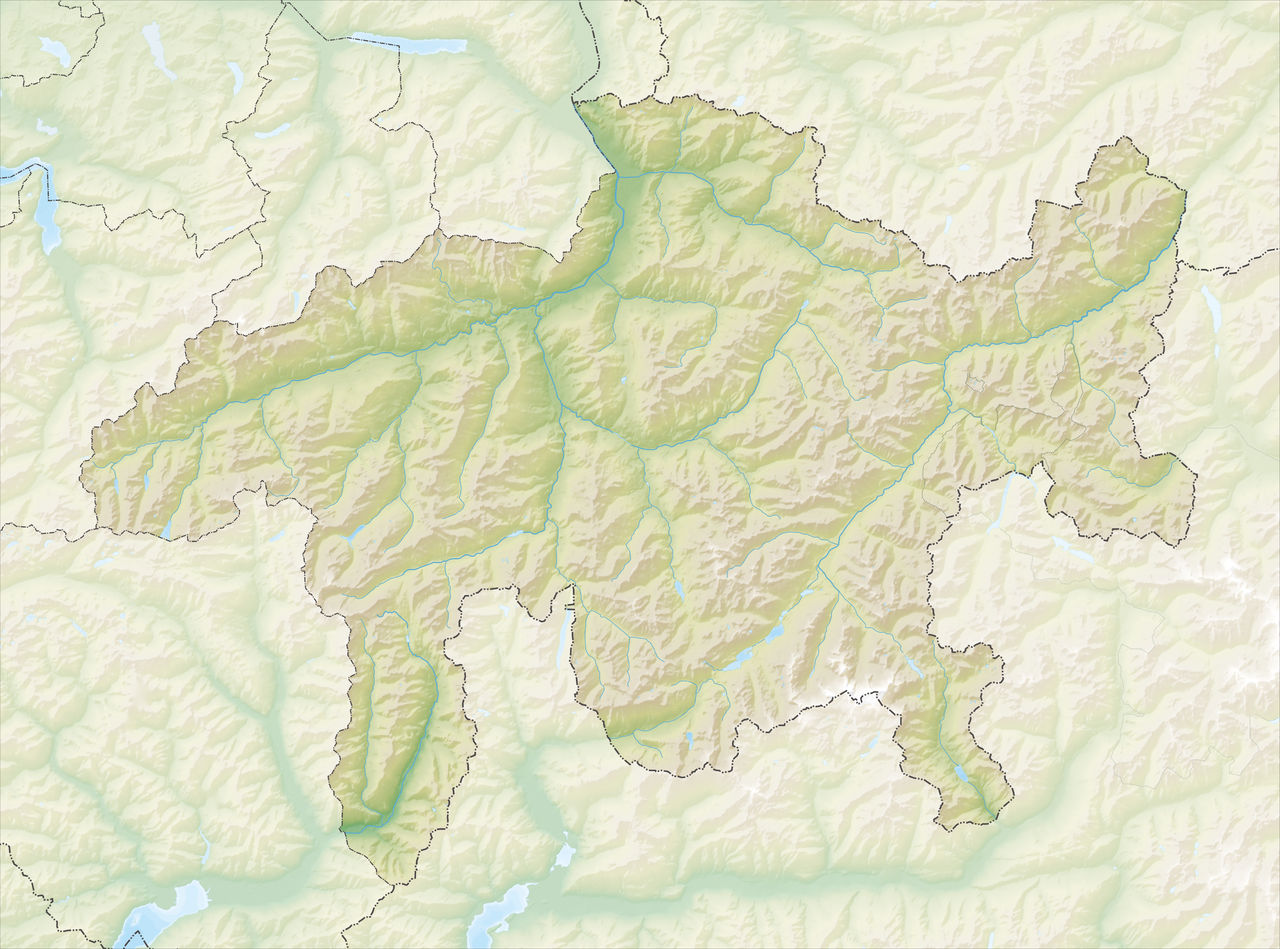


Geography and language
The area around Siat is characterised by mixed alpine terrain and wooded slopes leading to valley floors used for farming and grazing. The local language tradition is predominantly Romansh, the Rhaeto‑Romance language of the canton, most often the Sursilvan variety in this part of Surselva. Local life historically centred on seasonal agriculture, forestry and connections to neighbouring villages by narrow mountain roads and paths.
History and municipal merger
Like many small Swiss municipalities, Siat retained administrative independence for centuries but faced modern pressures of declining population and rising costs for services. On 1 January 2014 Siat joined a municipal reorganisation: it merged with a group of nearby communes to form the new municipality named Ilanz/Glion. The merger brought together the former municipalities:
Economy and culture
Before the merger, Siat’s economy was typical of small Alpine communities: small‑scale farming, livestock husbandry, and local services for residents and visitors. Cultural life reflected cantonal traditions—Romansh language, church festivals, and seasonal practices tied to agriculture. Traditional building styles and communal structures such as the village church and communal pasture rights remained visible markers of heritage.
Legacy and present day
Since 2014 the territory that was Siat is administered as part of Ilanz/Glion. The change aimed to streamline public services and strengthen regional planning while preserving local identity and traditions. Visitors interested in rural Graubünden often encounter Siat as an example of a small, historically Romansh village integrated into a larger municipal framework. For administrative, cultural or genealogical research, records and contemporary services are now found under the Ilanz/Glion municipal structure.
Related articles
Author
AlegsaOnline.com Siat — former municipality in Graubünden, Switzerland Leandro Alegsa
URL: https://en.alegsaonline.com/art/90154