
Sibi Division
Former administrative division of Pakistan’s Balochistan province centered on the city of Sibi; abolished in the 2000 local government reforms that removed the divisional tier.
Sibi Division was an administrative unit in the eastern part of Pakistan's province of Balochistan, with its administrative centre at the city of Sibi. As a division it served as an intermediate tier of government between the provincial authorities and the districts that lay within its area.
Image gallery
1 Image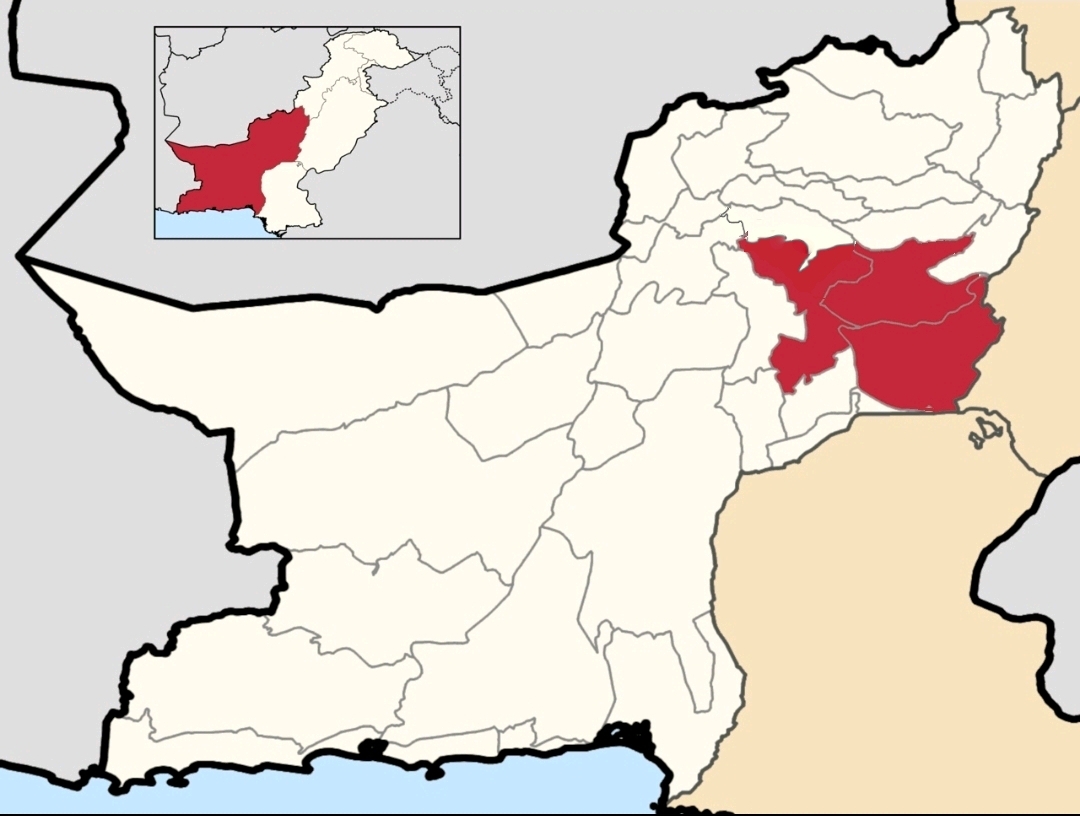
Geography and components
The division covered a region of plains, foothills and dry river valleys that connect the highlands of Balochistan with adjacent provinces. Its territory included the Sibi district and several neighbouring districts and tehsils that shared economic and transport links oriented toward the divisional centre. The area is characterized by arid to semi-arid climate, seasonal rivers, and a mix of agricultural lands and rangeland.
Administrative history
The divisional form of administration has roots in the British colonial era and continued after Pakistan's independence as the third level of government below provinces and districts. Sibi Division performed coordination, revenue and law-and-order roles for its constituent districts. In the nationwide local government reforms introduced in 2000, the divisional tier was abolished and its functions were devolved to district and tehsil governments.
Cultural and economic significance
Within the region, the city of Sibi has long been a local market and cultural centre. The surrounding countryside supports agriculture where irrigation is available, livestock grazing, and seasonal trade. Cultural events and fairs in the divisional centre have served as focal points for communities across the area, reinforcing social ties between urban and rural populations.
Legacy and current usage
Although divisions were removed from the formal administrative structure in 2000, the term "Sibi Division" continues to appear in historical records, older governmental documents, statistical series and popular usage. For practical and planning purposes, many observers and agencies still refer to the former divisional boundaries when discussing regional trends, development needs and transport corridors.
- Administrative role: intermediary governance and coordination.
- Physical setting: arid plains, hills and seasonal waterways.
- Contemporary note: formally abolished in 2000; remains a useful historical and statistical reference.
Related articles
Author
AlegsaOnline.com Sibi Division Leandro Alegsa
URL: https://en.alegsaonline.com/art/90169