
Castrisch: former municipality in Surselva, Graubünden (Switzerland)
Castrisch was a small municipality in the Surselva district of Graubünden, Switzerland, merged in 2014 into the new municipality Ilanz/Glion. Overview, geography, history and post-merger administration.
Overview
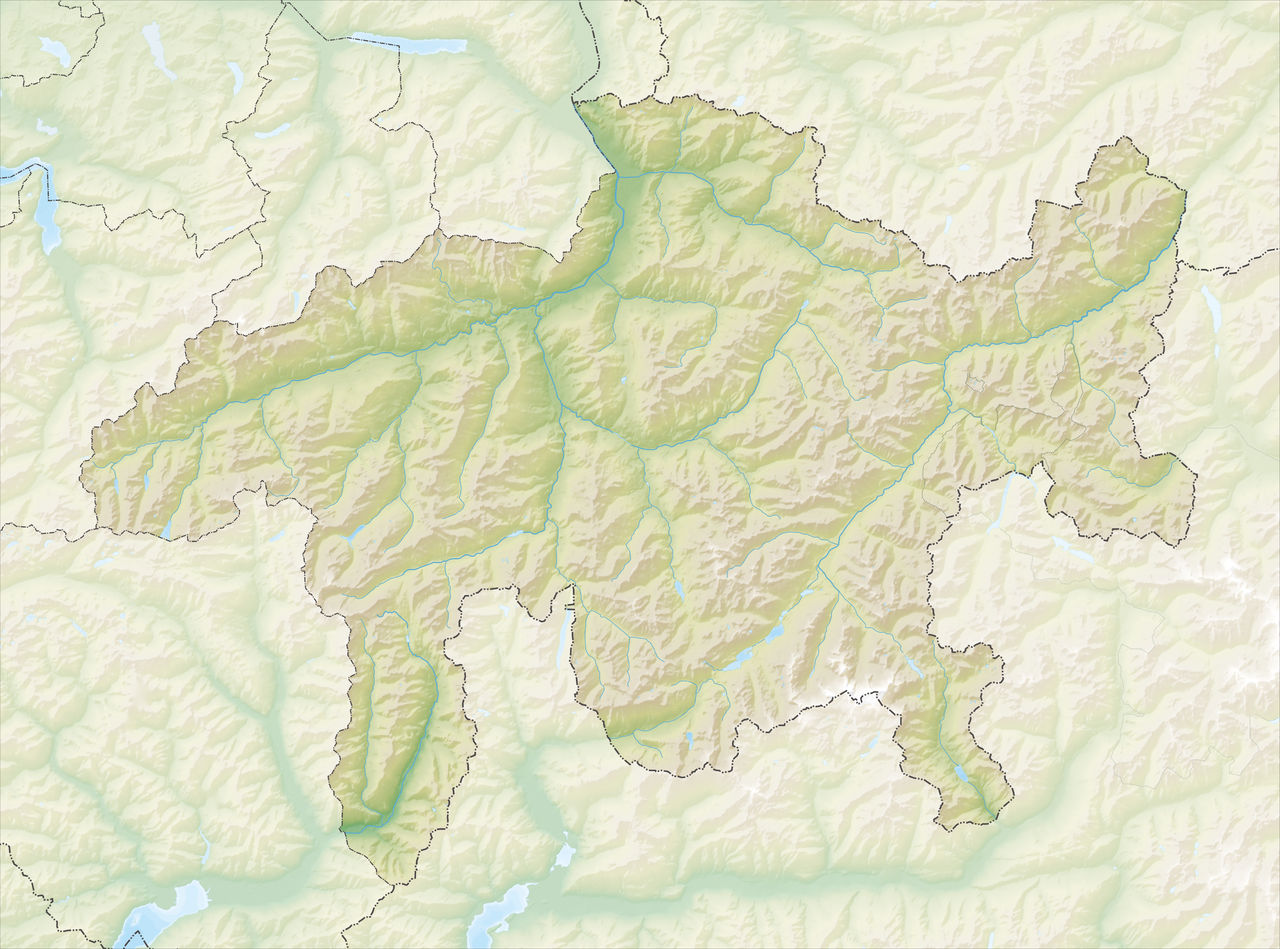
Castrisch was a small Alpine municipality located in the district district of Surselva, in the canton Graubünden (Grisons) of Switzerland. Set in a valley landscape characteristic of the central Alps, Castrisch traditionally combined pastoral agriculture, woodland management and a compact village core of stone and wooden buildings. Like many places in Surselva it reflected a mixed cultural and linguistic environment shaped by Romansh and German-speaking communities.
Image gallery
4 Images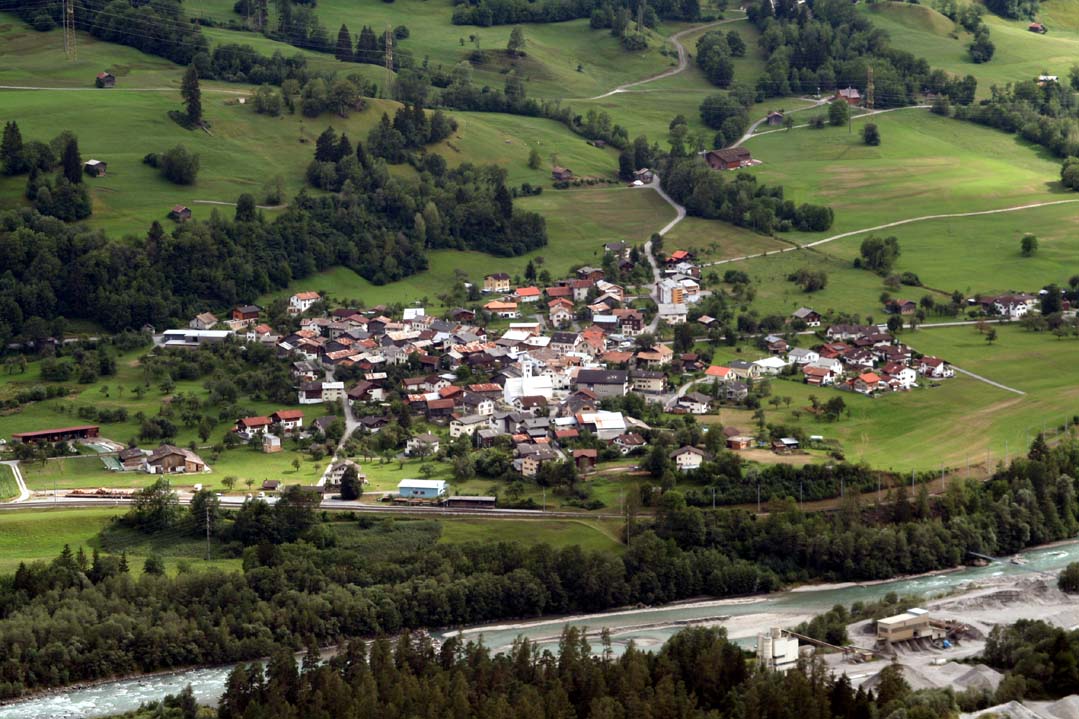


Geography and characteristics
The village occupied a modest footprint among steep slopes and cultivated terraces. Local land use typically included meadows for grazing, small fields, orchards and patches of mixed forest. The settlement pattern was that of a clustered village with narrow lanes and a parish church, typical for rural communities in the region. Seasonal mountain pasturing and hiking routes in the surrounding hills have long been part of daily life and local recreation.
Demographically, Castrisch was a small community whose population size and age structure followed the broader trends in many remote Alpine municipalities: limited growth, aging residents in some periods, and seasonal fluctuations due to tourism and secondary residences. Public services and infrastructure were modest, with many administrative and specialized services concentrated in larger nearby centres.
History and development
The origins of the settlement date back several centuries, developing as an agricultural hamlet within the historical Surselva region. Over time its economy and society adapted to changing transport links, agricultural practices and the wider political arrangements of Graubünden. Architectural elements in the village reflect traditional building techniques and a continuity of rural life rather than large industrial change.
Merger into Ilanz/Glion
On 1 January 2014 Castrisch joined a municipal consolidation that created the new municipality Ilanz/Glion. The reorganisation brought together several neighbouring communities to streamline administration and combine resources. The former municipalities that merged included:
The merger aimed to improve administrative efficiency, better coordinate local services such as schooling and infrastructure, and strengthen the capacity for regional planning. For residents of Castrisch the change meant that municipal governance, some public services and planning responsibilities were transferred to the larger Ilanz/Glion authority while local identity and traditions continued to be important at village level.
Today Castrisch is often described as a village quarter or locality within the wider Ilanz/Glion municipality. Visitors and researchers interested in Alpine community life, traditional architecture and the ways small settlements adapt to administrative consolidation can find Castrisch a representative example of a Surselva village navigating 21st-century challenges while maintaining regional cultural traits.
Tags
Related articles
Author
AlegsaOnline.com Castrisch: former municipality in Surselva, Graubünden (Switzerland) Leandro Alegsa
URL: https://en.alegsaonline.com/art/17547