
Ladir — former municipality in Graubünden, Switzerland
Ladir was a small alpine village and former municipality in the Surselva district of Graubünden, known for its Romansh culture and its 2014 merger into Ilanz/Glion.
Overview
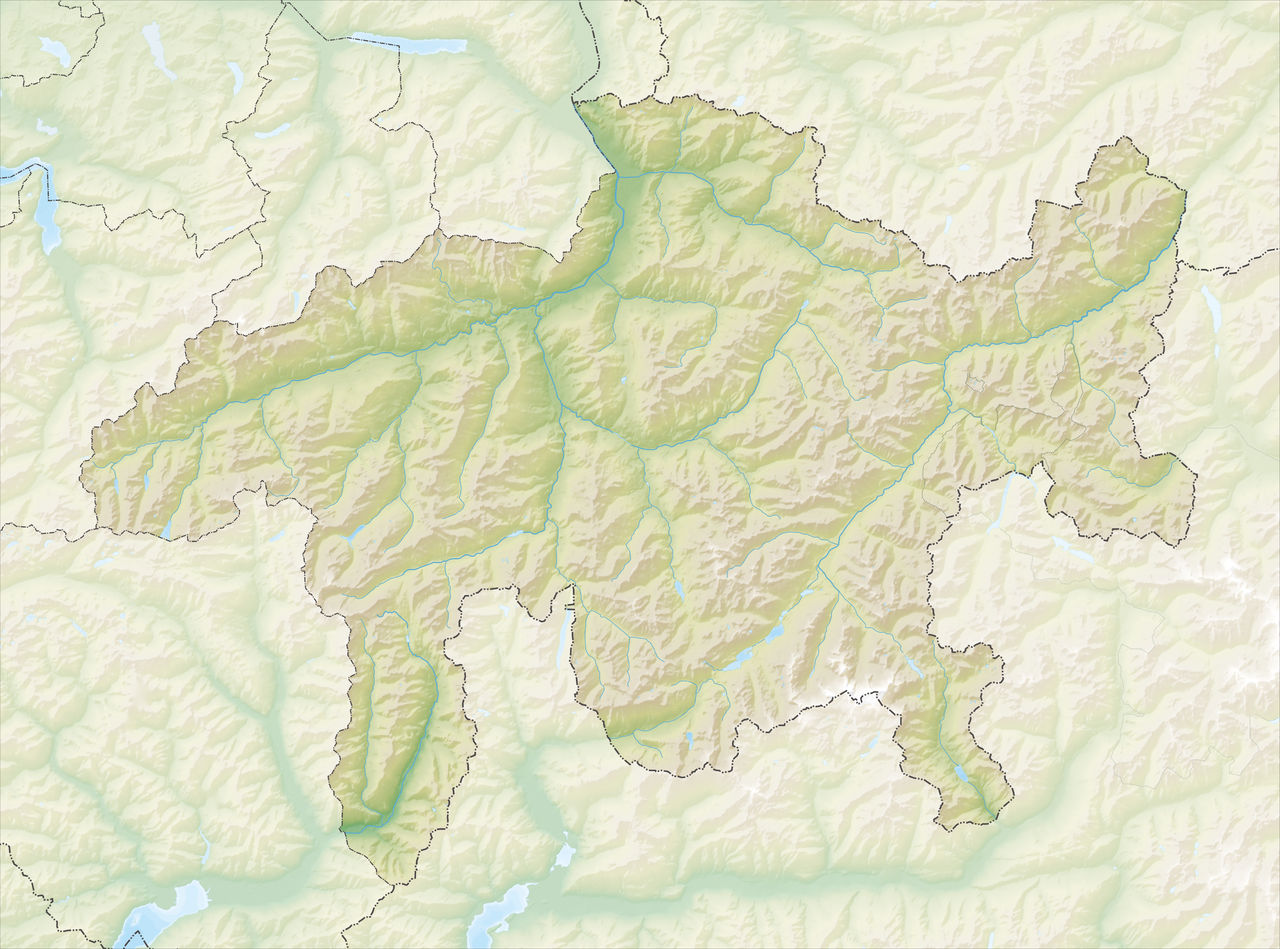
Ladir was a small mountain municipality located in the district Surselva of the canton Graubünden (Grisons) in Switzerland. Nestled in an alpine valley, it functioned as a rural village with traditional architecture, local farms and seasonal grazing meadows. The community was part of the culturally distinct region where the Romansh language and its Sursilvan variety remain important to local identity, alongside German.
Image gallery
4 Images

Geography and environment
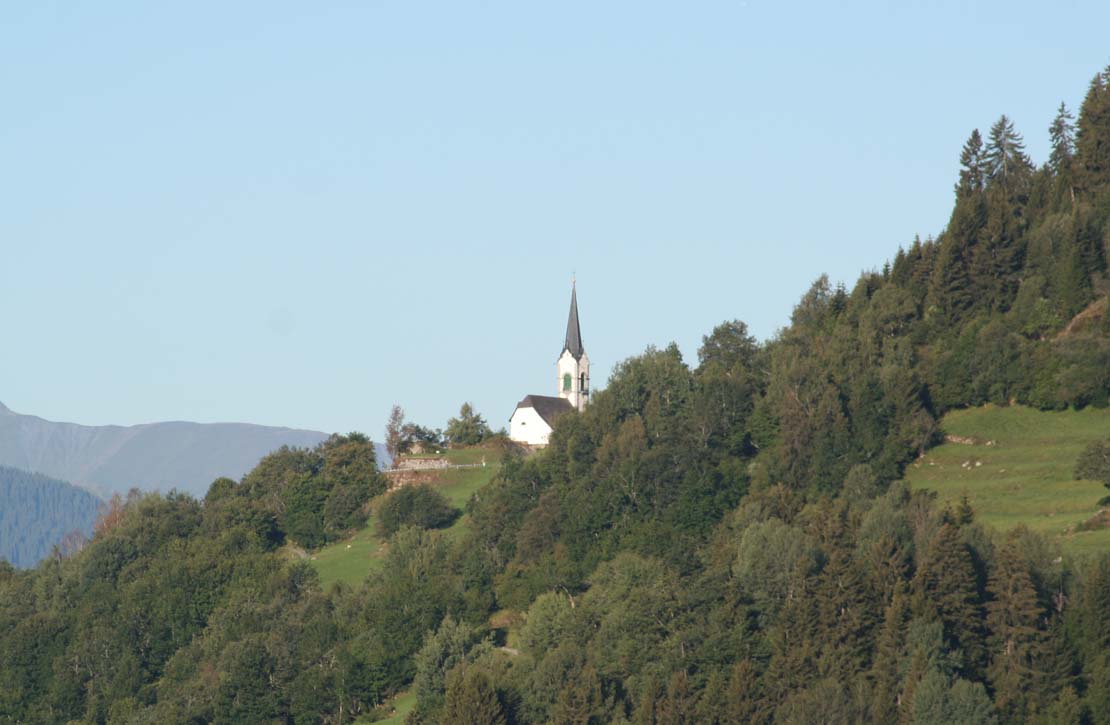
Ladir occupies a typical high-valley environment of eastern Switzerland, with steep slopes, mixed forests and open pastoral land used for hay and livestock. Its setting offers views toward the valley carved by the Rhine's headwaters and provides access to hiking paths and mountain trails. The local built environment reflects alpine building traditions: stone foundations, wooden facades and pitched roofs suited to snow and alpine weather.
History and municipal development
The village developed as a small agrarian settlement typical of the Surselva, with a local parish and communal land use practices that persisted through the centuries. In the late 20th and early 21st centuries, Switzerland saw many municipal consolidations aimed at streamlining administration and public services. Following that trend, on 1 January 2014 Ladir joined a group of neighbouring municipalities to form a larger administrative unit centered on Ilanz.
2014 merger into Ilanz/Glion
On 1 January 2014 the former municipality of Ladir merged with its neighbours to become part of the new municipality of Ilanz/Glion. The consolidation brought together the former municipalities of:
The new municipal structure was intended to pool resources for schools, infrastructure and services while preserving local cultural traditions and village character.
Economy, culture and activities
Historically, Ladir's economy centered on small-scale agriculture, alpine pasturing and local crafts. Today the area attracts visitors for hiking, nature study and experiencing rural Romansh culture. Local festivals, church events and communal alpine customs are part of village life and contribute to regional cultural continuity.
Access and notable facts
Ladir lies within driving distance of Ilanz, the nearest larger service centre, and is connected by local roads to neighbouring communities. Although no longer an independent municipality, Ladir remains notable as an example of the small alpine villages that shape the cultural and landscape identity of Graubünden and the Surselva valley.
Related articles
Author
AlegsaOnline.com Ladir — former municipality in Graubünden, Switzerland Leandro Alegsa
URL: https://en.alegsaonline.com/art/55300