
Schnaus — former municipality in Surselva, Graubünden, Switzerland
Schnaus was a small former municipality in the Surselva district of Graubünden, Switzerland. In 2014 it joined thirteen neighbouring communes in a municipal merger forming Ilanz/Glion.
Overview
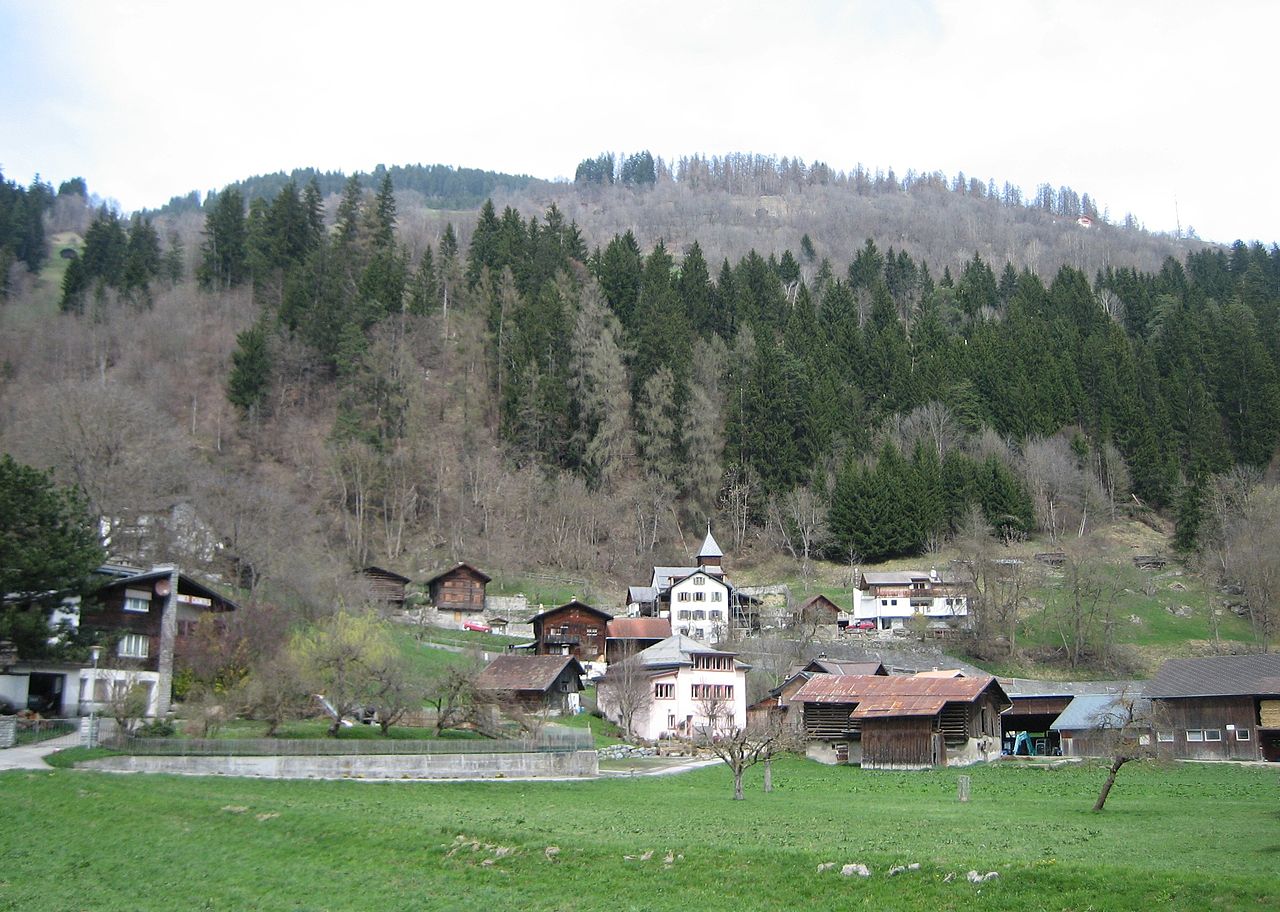
Schnaus was a small municipality located in the district of Surselva in the canton of Graubünden (Graubünden), Switzerland. Situated in the alpine valley region typical of Surselva, Schnaus was one of many compact villages that together form the rural fabric of the canton. Its scale and setting reflected the characteristic settlement pattern of small alpine communities, with houses clustered near pastures and routes connecting to larger market towns.
Image gallery
3 Images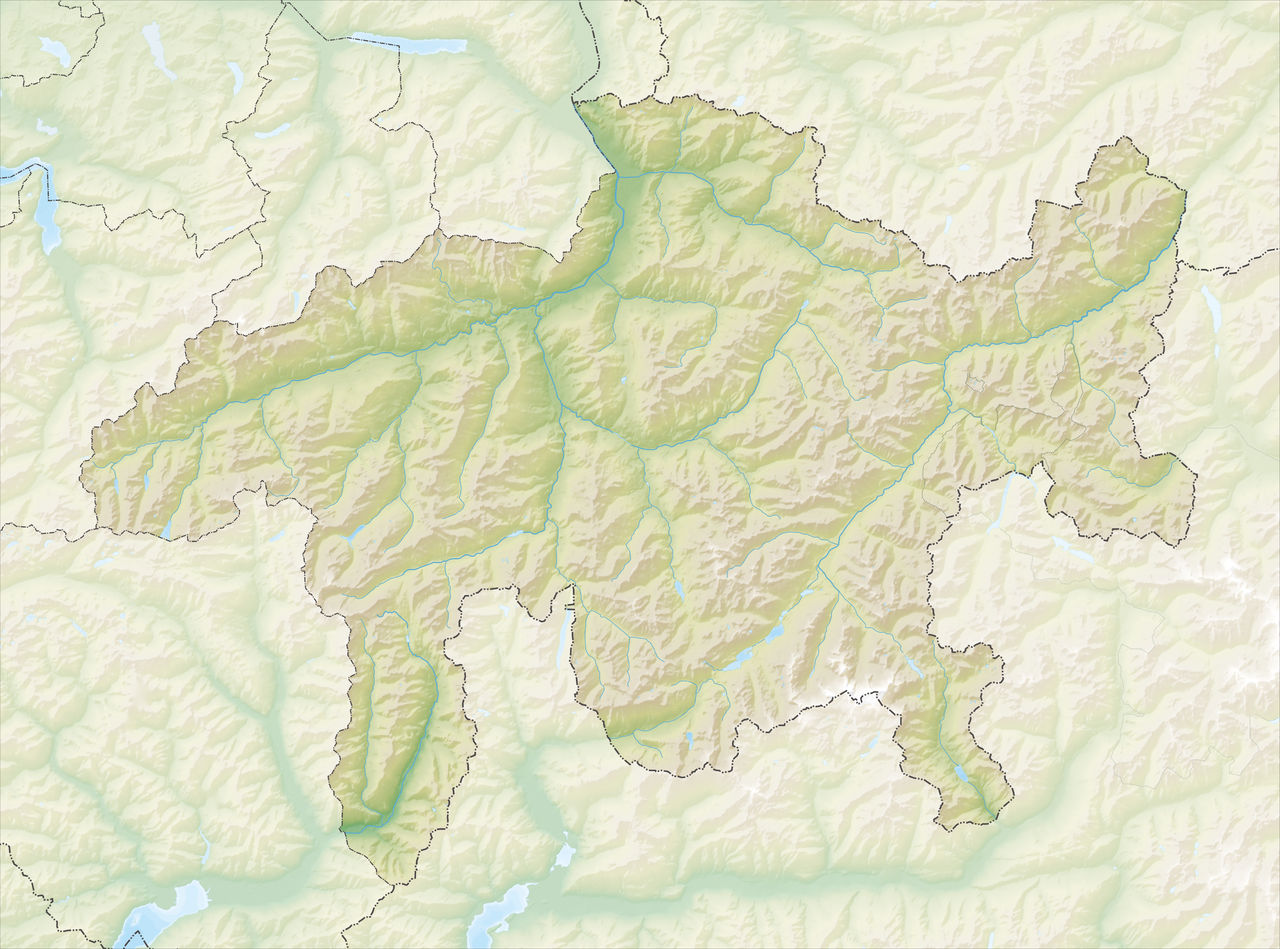

Characteristics
The village displayed features common to mountain municipalities in eastern Switzerland: narrow local roads, seasonal alpine farming, and a landscape shaped by pasturing and forestry. Languages spoken in the region include Romansh and German, and local culture is influenced by both linguistic traditions. Economic activity was largely local and modest in scope, with residents often engaged in agriculture, small trades, commuting to nearby towns, or providing services related to rural tourism.
History and administrative development
Like many small Swiss communes, Schnaus maintained municipal autonomy for much of its modern history but faced the administrative and financial challenges of very small local governments. In response to changing administrative needs and a wider cantonal policy encouraging consolidation, Schnaus participated in a merger process in the early 2010s. Such mergers are part of a broader trend in Switzerland aimed at improving service delivery and simplifying municipal administration while attempting to preserve local identity.
Merger into Ilanz/Glion
On 1 January 2014 Schnaus joined thirteen neighbouring municipalities to create a new larger municipality. The consolidation brought together small communities into a single administrative entity centered on the historic town of Ilanz. The communes involved in the merger were:
- Castrisch
- Ilanz
- Ladir
- Luven
- Pitasch
- Riein
- Ruschein
- Sevgein
- Duvin
- Pigniu
- Rueun
- Siat
- Schnaus (included above)
The result of this process was the establishment of the municipality known today as Ilanz/Glion, which continues to manage local services, planning and cultural initiatives for the area formerly administered by the separate communes.
Legacy and notable facts
Although Schnaus no longer exists as an independent administrative unit, its name and local heritage remain part of the social and cultural landscape of Ilanz/Glion. Former municipal villages often retain distinct identities within larger communes through traditions, village associations and local events. The 2014 merger is an example of how Swiss local government adapts to contemporary needs while seeking to balance efficiency with the preservation of local character.
Visiting and further information
Visitors interested in the region will find the broader Surselva valley offers mountain scenery, hiking routes and a glimpse into Romansh-speaking Switzerland. For administrative or historical records relating to the former municipality, inquiries are directed to the offices of Ilanz/Glion and cantonal archives that document local municipal changes and heritage.
Related articles
Author
AlegsaOnline.com Schnaus — former municipality in Surselva, Graubünden, Switzerland Leandro Alegsa
URL: https://en.alegsaonline.com/art/87917