
Ruschein: former Surselva village in Graubünden, Switzerland
Ruschein is a small mountain village in the Surselva region of Graubünden, Switzerland. Formerly an independent municipality, it now belongs to the larger Ilanz/Glion municipality and retains a Romansh heritage.
Overview
Ruschein was a small administrative municipality located in the district of Surselva in the canton of Graubünden, Switzerland. It lay within the mountainous and linguistically distinct region of eastern Switzerland and is today part of the merged municipality of Ilanz/Glion. The settlement is characteristic of the alpine valleys of the area: compact, historically agricultural, and closely connected to Romansh language and traditions.
Image gallery
5 Images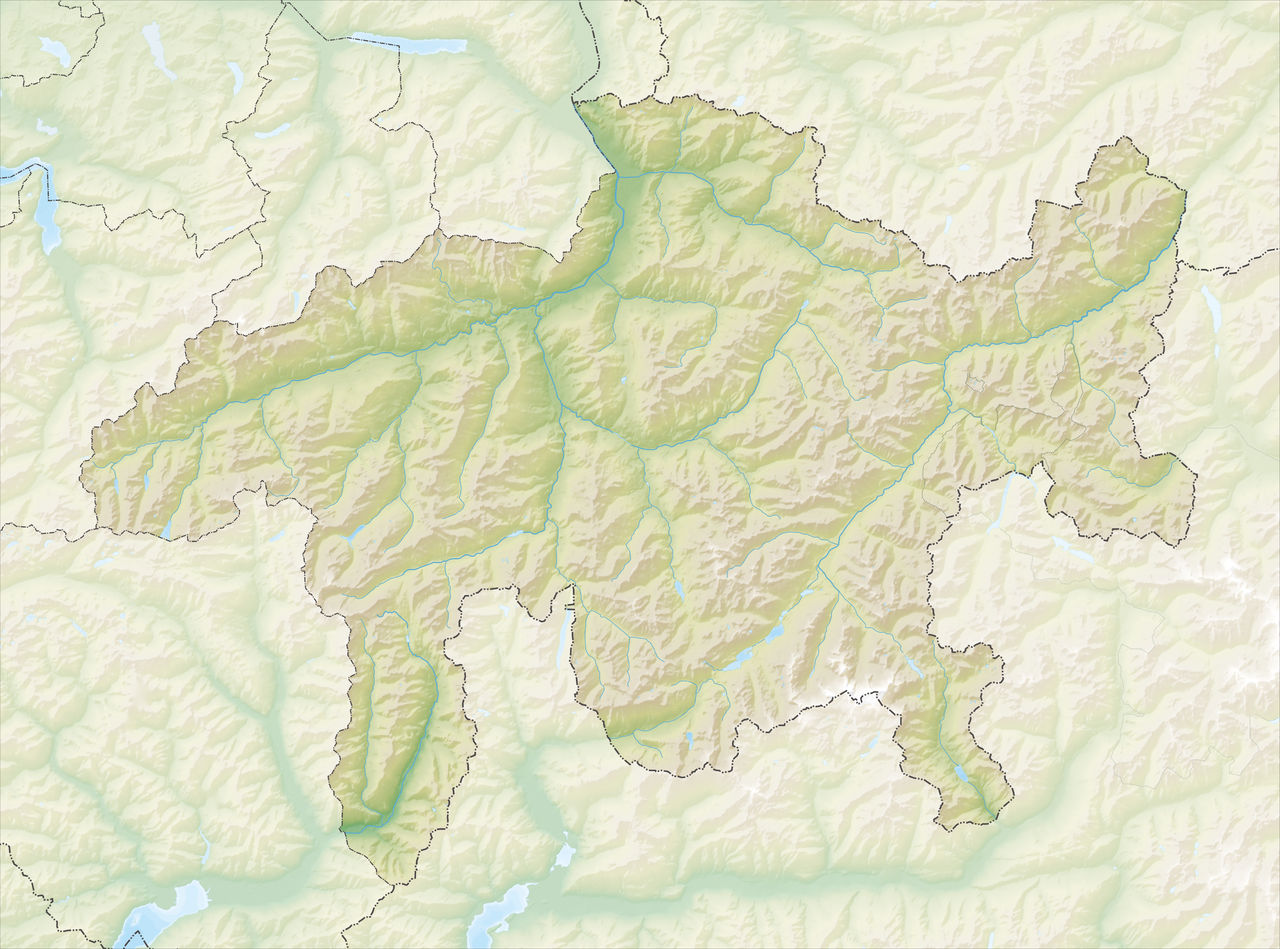


Geography and characteristics
Positioned in the Surselva valley, the village sits amid steep slopes, pastures and forests that descend toward the river systems of the region. Ruschein has a rural layout with traditional stone and wood buildings, a parish church that marks the community center, and local roads linking it to nearby towns. The landscape supports seasonal farming, pastureland and outdoor recreation such as hiking in summer and snow-related activities in winter.
History and municipal change
Like many small communities in Graubünden, Ruschein developed around agriculture and local crafts, shaped by mountain geography and historic transport routes. In the early 21st century a process of municipal consolidation brought smaller municipalities together to streamline administration and public services. As a result Ruschein ceased to be an independent municipality and was incorporated into the larger Ilanz/Glion municipal entity, joining other nearby villages to form a more robust local government structure.
Language, culture and economy
Ruschein belongs to a cultural area where Romansh—one of Switzerland's national languages—has long been spoken, alongside German. Local festivals, church observances and folk customs reflect this bilingual, alpine heritage. The local economy traditionally depended on mixed farming, alpine pastures and small-scale forestry; today it also includes tourism, holiday accommodation and commuting to regional service centers for employment.
Notable facts and visitor information
- The village is representative of Surselva's Romansh-speaking communities and their efforts to preserve language and customs.
- Its mountain setting makes it a base for nature walks and experiencing rural Graubünden life.
- Administrative responsibilities and some public services are now managed by the Ilanz/Glion municipality, reflecting wider regional consolidation trends.
For further administrative or historical details consult local municipal resources and regional guides; many official pages and cultural sites provide information preserved during the merger process. Additional background about the district and canton can be found through regional references and travel literature.
Related Swiss information • Municipal details • District overview • Surselva region • Canton Graubünden • Regional culture
Related articles
Author
AlegsaOnline.com Ruschein: former Surselva village in Graubünden, Switzerland Leandro Alegsa
URL: https://en.alegsaonline.com/art/84776