
Pigniu — former municipality in Graubünden, Switzerland
Pigniu is a small alpine village and former municipality in Surselva, canton Graubünden, Switzerland. Now part of Ilanz/Glion, it is noted for mountain scenery, the nearby Panix Pass and its Romansh heritage.
Overview
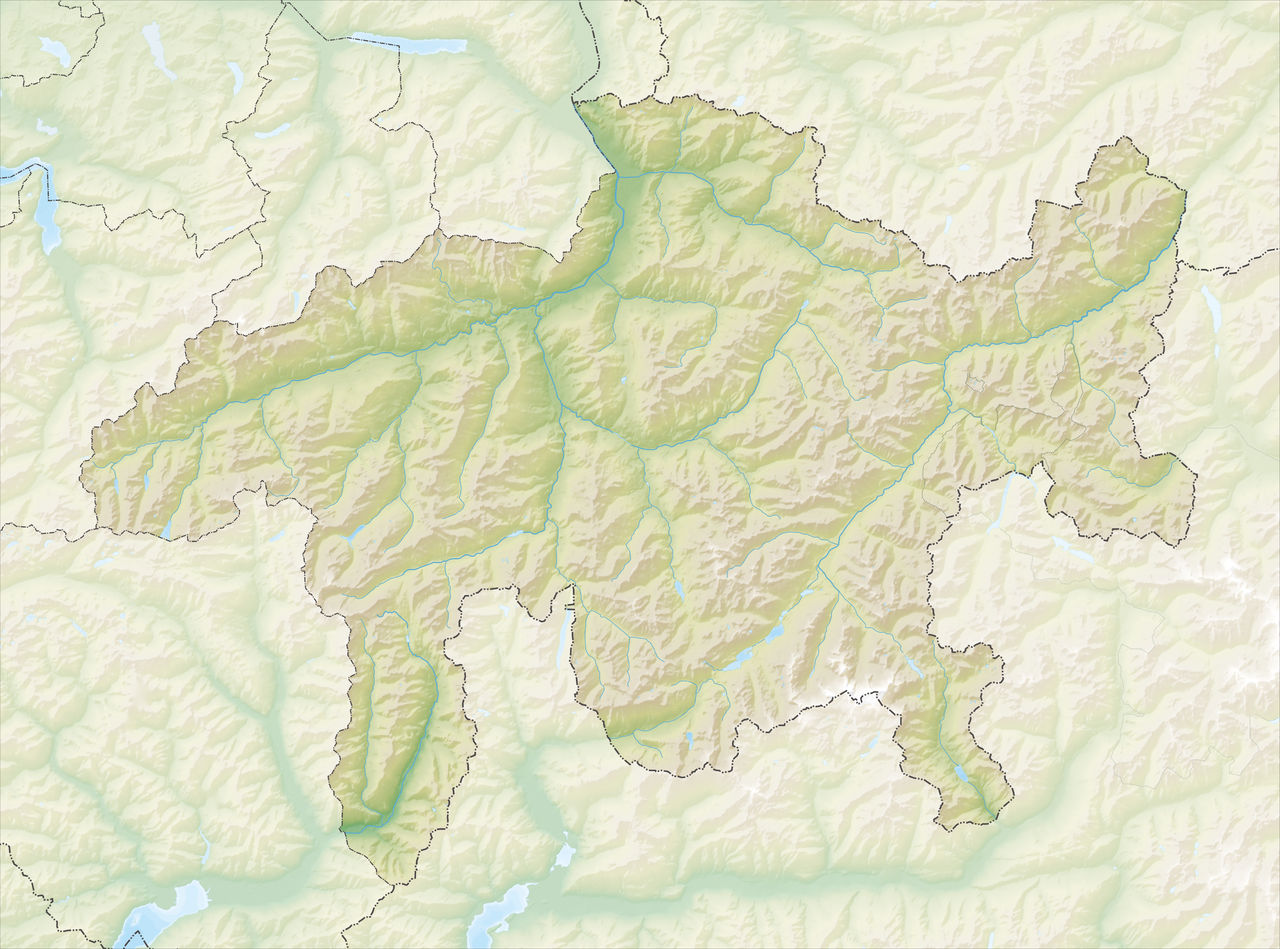
Pigniu is a former municipality situated in the district of Surselva within the Swiss canton of Graubünden, located in Switzerland. Today it has been incorporated into the larger municipality of Ilanz/Glion but retains the character of a small mountain village.
Image gallery
5 Images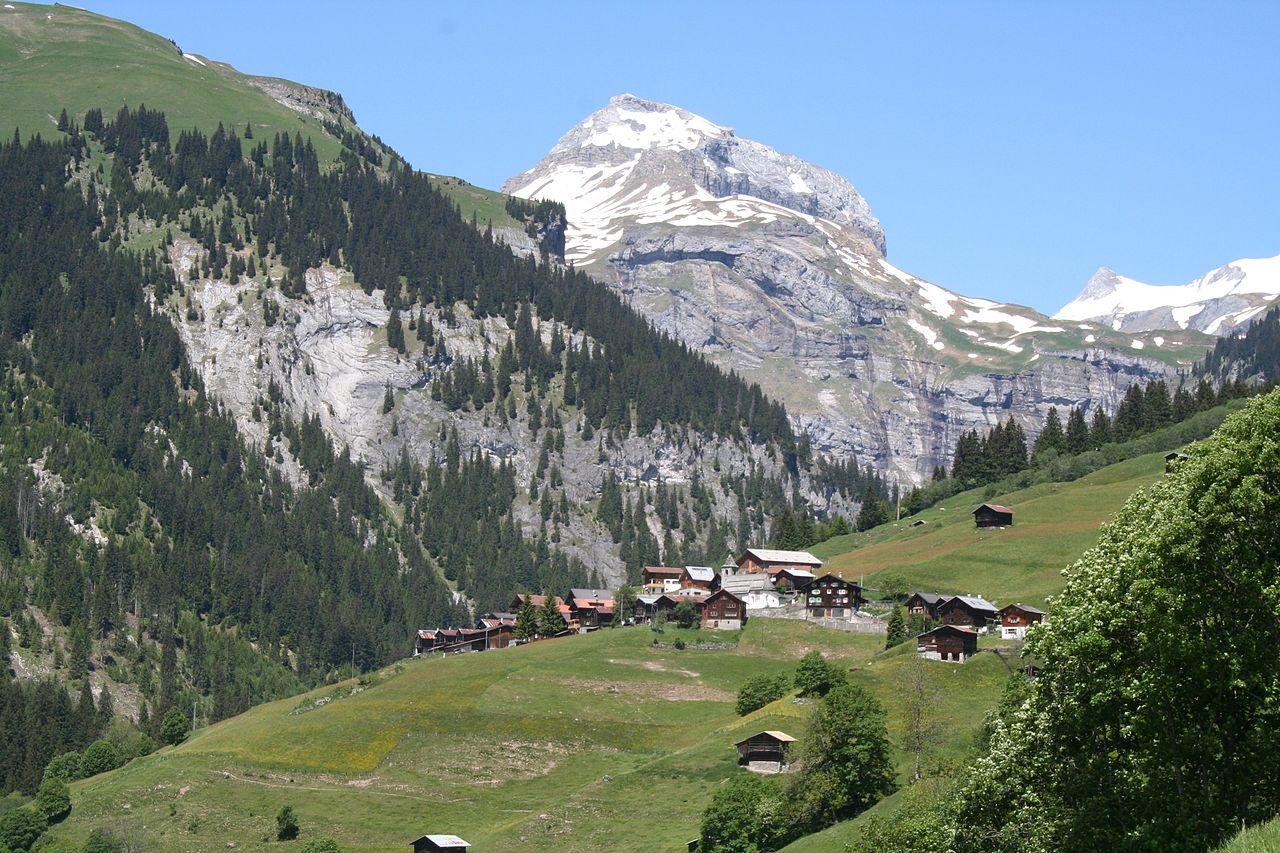


Geography and character
Pigniu occupies a remote alpine setting above a narrow valley, surrounded by steep slopes, pastures and alpine meadows. Traditional stone and wooden houses, a village church and scattered hamlets convey a rural, historic atmosphere. The area is part of a culturally mixed region where Romansh language and customs remain visible in local life.
History and significance
The settlement dates back many centuries as a mountain community and served historically as a waypoint for routes crossing nearby passes. The close Panix (Panixer) Pass is known for events during the late 18th-century Alpine campaigns and remains an element of local historic identity. Over time administrative changes have merged small municipalities to improve services while villagers preserve local traditions.
Attractions and activities
- Hiking and mountain trails leading to the Panix Pass and surrounding ridges.
- Scenic walking routes across pastoral landscapes and alpine meadows.
- Historic village core and church architecture representative of the region.
- Opportunities to observe traditional agriculture and seasonal grazing.
Pigniu is valued for outdoor recreation, cultural heritage and quiet rural life rather than urban amenities. Visitors typically reach the area by local roads and use it as a base for day hikes or to explore the broader Surselva region.
Although small in population and administrative weight, Pigniu illustrates common themes of alpine communities: adaptation to a mountainous environment, maintenance of regional language and customs, and the balance between preserving identity and joining larger municipal structures.

Coat of arms
Blasing: In red behind a boy standing the silver (white) Saint Valentine as a bishop.
Implementation of a seal motif referring to the patron saint of the parish church.
Geography
The municipality lies in the Panixertal valley through which the Schmuèr flows, a steeply rising northern side valley of the Vorderrheintal, eleven and a half kilometres north-west of Ilanz. It has a share in the Vorab glacier. To the north and above the village is Lake Panixer (1452 m a.s.l. ) and a short distance away is the Aua da Fluaz waterfall. The entire northern part of the municipality consists of mountains, which is also reflected in the area statistics. Of the 18 km² of the municipality, 877 ha are unproductive areas or mountains. Of the 647 ha of agricultural land, 598 ha are alpine farms or Maiensässen. A further 267 ha are covered by forest and woodland, and the remainder of 7 ha is settlement land.
The villagers are concerned about the annual landslides and slides, which also damage the road network. The realisation of Lake Panix, around 60 % of which lies on Panix municipal territory, generated financial contributions that relieved the burden on the municipal budget.
The high-alpine Panixerpass (Rhaetian: Pass dil Veptga) connects Pigniu with Elm in the Glarus Sernftal valley. It gained some notoriety when the army of the Russian General Suworow crossed the pass, which was snowed in, in an evasive manoeuvre to avoid the French. Today, this frequently used alpine pass hike leads mainly in high summer from the Sernftal to Pigniu or Andiast.
The Senda Sursilvana long-distance hiking trail leads as a tourist-marked high-level trail from Brigels-Waltensburg-Andiast through Panix and on along the young Rhine towards Chur.
Related articles
Author
AlegsaOnline.com Pigniu — former municipality in Graubünden, Switzerland Leandro Alegsa
URL: https://en.alegsaonline.com/art/76881